A Morte Não Tem Dono: Venezuela Eyes the 2027 Oscars
Published on · Updated on
Screened at the São Paulo festival, A Morte Não Tem Dono explores housing rights; Jorge Thielen Armand’s film represents Venezuela at the 2027 Oscars.
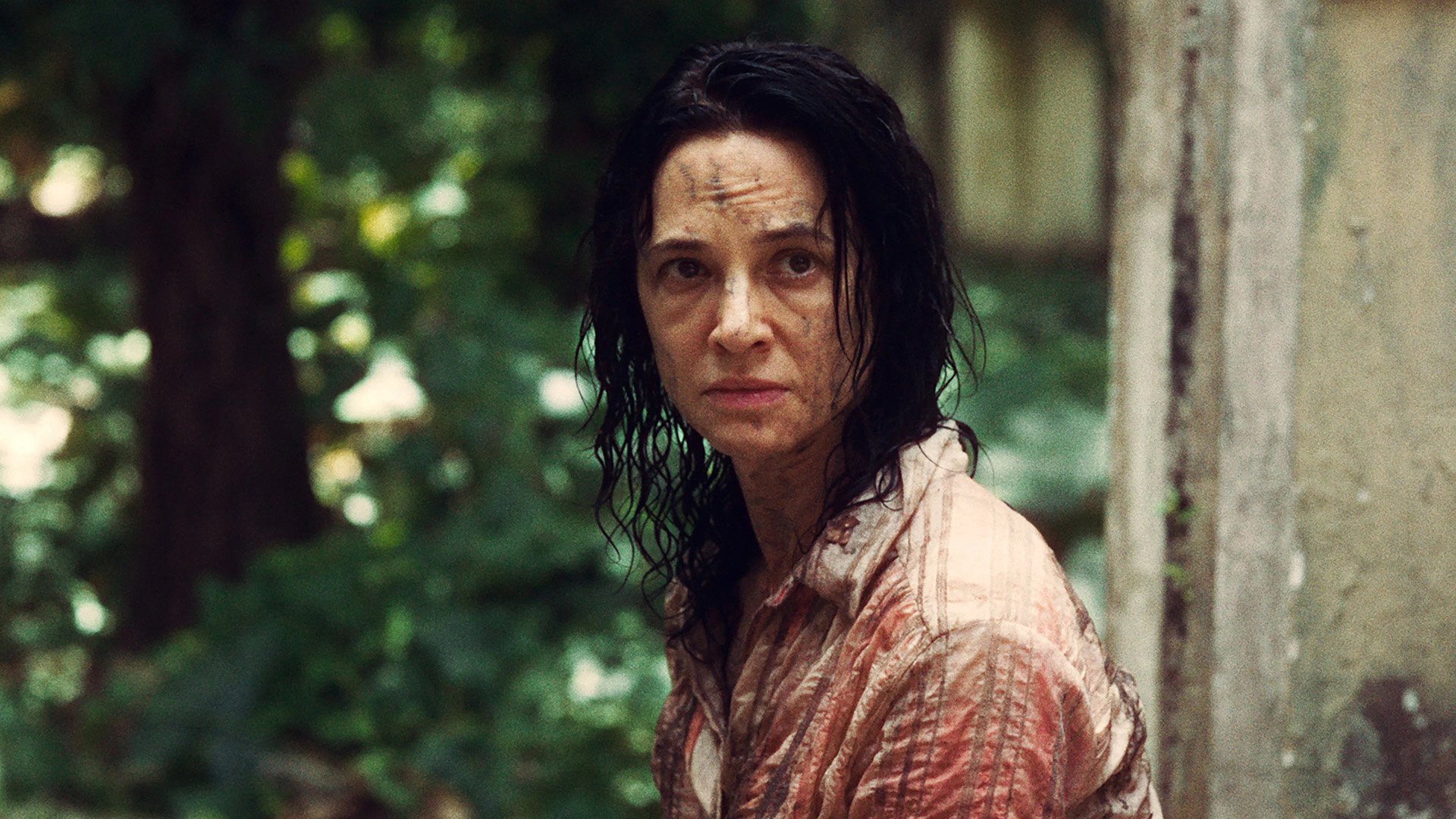
The Venezuelan feature film A Morte Não Tem Dono (original Spanish title: La muerte no tiene dueño), directed by acclaimed filmmaker Jorge Thielen Armand, has been selected by the Venezuelan Academy of Film Sciences and Arts as the nation’s official entry for Best International Feature Film at the 2027 Academy Awards. Following its South American premiere at the 50th São Paulo International Film Festival (held October 15–29, 2026), the psychological thriller immerses viewers in a dispute over a historic cocoa hacienda, addressing private property rights, the Latin American housing crisis, and the lingering scars of European colonialism.
An international co-production between Venezuela, Canada, Italy, and Luxembourg, the film initially gained widespread acclaim during its world premiere at the Directors’ Fortnight at the Cannes Film Festival. The narrative uses an inheritance conflict between a European-raised landowner and an Afro-Venezuelan caretaker family as an allegory for structural inequalities across Latin America. Rather than offering simplistic moral conclusions, Armand captures the physical deterioration of the estate to reveal how racial and class hierarchies forged centuries ago continue to dictate human relations in the modern hemisphere.
Land conflicts and class divides on a historic cocoa estate
The story follows Caro, portrayed by veteran Italian actress Asia Argento, a Venezuelan expatriate who was raised in Europe and travels back to her ancestral home determined to sell the cocoa plantation left to her by her late father. Situated deep within San Esteban National Park, the estate’s grand colonial manor stands in severe disrepair. However, Caro discovers the house is far from abandoned: it has been kept alive by Sonia (Dogreika Tovar), a longtime former employee, and her ten-year-old son Maikol (Yermain Sequera).
Rather than permitting the plantation to collapse into ruin, Sonia and Maikol have maintained the grounds by cultivating organic cocoa and renting spare rooms to seasonal laborers. When Sonia refuses to be arbitrarily displaced from the only home her child has ever known, Caro turns to increasingly coercive and hostile measures to reclaim the property, igniting a tense battle of wills that blurs the boundaries between legal ownership, moral legitimacy, and survival.
| Production Details | Key Information |
|---|---|
| Original Title | La muerte no tiene dueño (A Morte Não Tem Dono) |
| Director & Screenwriter | Jorge Thielen Armand |
| Lead Cast | Asia Argento, Dogreika Tovar, Yermain Sequera |
| Producing Countries | Venezuela, Canada, Italy, Luxembourg |
| Festival Circuit | Directors' Fortnight (Cannes), 50th Mostra de SP, Venezuela's 2027 Oscar Submission |
| Core Themes | Housing rights, colonial legacy, land ownership, and socioeconomic inequality |
A decaying colonial mansion haunted by historical trauma
A striking artistic choice in Armand’s direction is the use of an authentic historical location rather than soundstage sets. The filmmakers scouted an abandoned 19th-century plantation home in San Esteban National Park and undertook targeted restoration work to allow filming within its decaying walls. The real-life history of the residence mirrors Venezuela’s volatile political landscape over the past century.
“This house was originally built by German immigrants at the turn of the last century. During the dictatorship of Juan Vicente Gómez in Venezuela, an official closely tied to the regime became obsessed with the property and forced the original owners to surrender it for virtually nothing. That owner was unable to sustain it, eventually lost his sanity, and let the house fall into decay,” Armand explained in an interview with Exame Casual during his visit to São Paulo.
Subsequent decades saw the property expropriated by the state for cultural initiatives and community museums that ultimately collapsed from lack of funding. This layering of genuine decay provides the film with an authentic tactile presence. As Caro attempts to exert her authority, the cocoa harvest functions as a direct connection to colonial subjugation, reminding viewers that the wealth of South America was built on the coerced labor of Indigenous and Afro-descendant peoples.
“Colonialism runs through every thread of this story. From the very beginning, there is a constant reminder of that era through cocoa itself. It is a crop that carries the historical DNA of our continent: it was the primary export of European colonists in Venezuela, harvested by enslaved Black and Indigenous workers. That economy created a racial caste system that still lingers in the Latin American collective subconscious,” the director observed.
International awards trajectory and the Oscar race
Venezuela’s official submission of the film reinforces the vibrant diversity of Latin American storytelling competing on the international festival circuit. The submission places the title alongside other regional contenders, including Brazil’s chosen feature Feito Pipa, emphasizing serious cinematic engagement with urgent social themes.
While festival audiences at Cannes and São Paulo responded enthusiastically to its moral complexity, A Morte Não Tem Dono has not yet set a theatrical release date in South American commercial cinemas. Distributor schedules will be formalized following the late-fall festival calendar. Meanwhile, sustained critical acclaim strengthens the film’s outreach efforts among voting members of the Academy of Motion Picture Arts and Sciences ahead of the 2027 Oscar nominations.
For more film festival reports and critical analysis, visit Revista Pixel’s movies section and check out our coverage of Wicker’s independent box office expansion. Reporting on Jorge Thielen Armand’s remarks was documented by Exame Casual and cataloged in the program of the 50th São Paulo International Film Festival.
Suggested and related articles

Return of the King: Aragorn's Best Quote in Movie History

Oscars to Add More Festivals for International Feature

Wicker Review: Olivia Colman in an Eccentric Fairy Tale

Chance the Rapper names his favorite film of 2026

Wicker Expands to 2,300 North American Theaters