

Anime often uses death to shock audiences, but in April 2026, we know that goodbyes between living characters hurt much more. While the end of life feels final, a planned farewell carries the weight of hard choices and distances that become permanent against the protagonists' will. These scenes resonate with Brazilian audiences because they mirror the cruel reality of paths that diverge, forcing heroes to move on alone even when their hearts beg them to stay.
Nostalgia amplifies this pain as we revisit moments when our favorite characters faced separation head-on. Whether through a last conversation, a silent gesture, or simply walking away, these goodbyes help viewers find the courage to deal with their own losses in real life. Check out the detailed list below of moments that defined generations and still bring tears to even the toughest fans.
Edward and Alphonse choose separate paths after victory
Most stories reward a long journey with eternal togetherness, but Fullmetal Alchemist: Brotherhood does the opposite by giving the Elric brothers the right to live apart. Edward sacrifices his alchemy to restore Alphonse's body, abandoning the trait that defined his identity from the start. They fought the entire series to stay together, only to end up on different continents seeking new knowledge on their own.
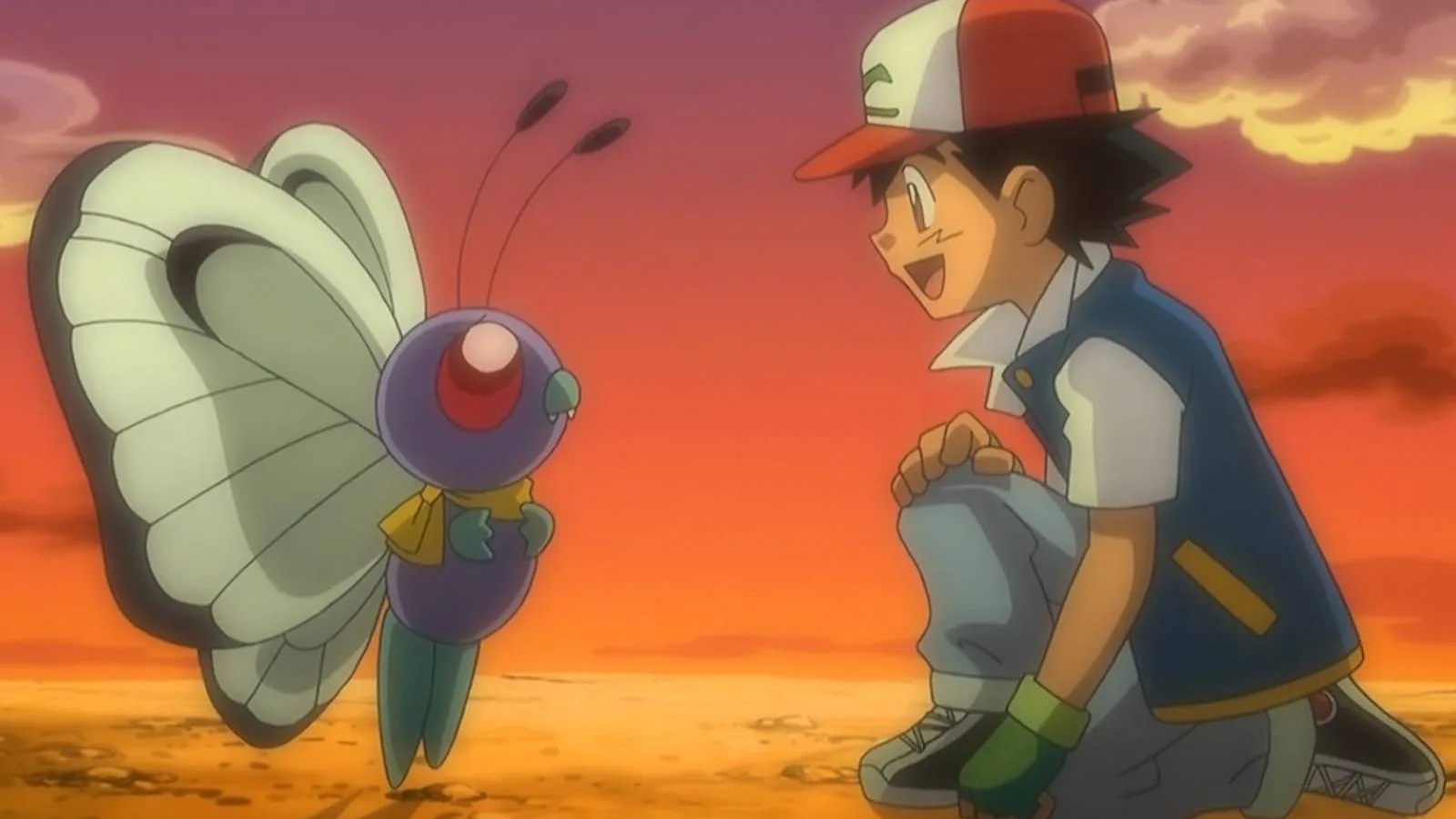
Ash sets Butterfree free because loving means letting go
The Pokémon anime taught kids in the '90s to want to catch 'em all, but the episode "Goodbye, Butterfree" shattered that contract in devastating fashion. Ash chose his partner's happiness over his own ambition, allowing him to leave with a romantic match. This scene conveys a selfless love that the franchise has rarely managed to replicate, forcing the audience to grieve a departure with no return or immediate reunion.
Gon and Killua's separation shines through its lack of drama
Hunter x Hunter built one of the most organic friendships in anime, where Gon and Killua seemed incomplete without each other. When Killua decides to leave to take care of his sister Alluka, there are no dramatic confrontations or epic battles—Gon perfectly understands his friend's need. The scene hurts precisely because they handle it with a maturity that the viewer, still attached to the duo, can barely process at the same speed.
The DigiDestined's farewell marks the end of childhood itself
When Tai and his friends say goodbye to their partners at the end of Digimon Adventure, the anime is mourning something much bigger than the Digital World. Those bonds represent the intensity of childhood friendships—total and unconditional, yet impossible to preserve as time passes. The characters don't lose their Digimon to death, but to the inevitable logic of growing up, which makes the scene an emotional trigger for any adult.
Menma's final game of hide-and-seek forces the group to move on
Anohana builds its entire narrative around Meiko Honma's departure, but the real goodbye still comes too soon for the Super Peace Busters. The group of friends had been stuck in life since her death, and her return as a ghost only served to force them to face the grief they never finished. The final game of hide-and-seek frees them from that emotional paralysis, though the cost is losing Menma for the second and final time.
Takaki and Akari drift apart without either of them deciding it
The film 5 Centimeters per Second refuses a classic farewell moment, focusing on the cruelty of distance that grows silently. Makoto Shinkai shows how goodbye happens through unanswered messages and missed trains, until Takaki finally lets go of Akari's memory at a railroad crossing. The pain here comes from the lack of a dramatic closure, proving that life's deepest separations often don't even announce themselves.
Otonashi understands what he wants from Kanade at the worst possible moment
Angel Beats! starts as a chaotic comedy but ends by revealing that Kanade was waiting in the afterlife for the person who donated the heart that kept her alive. Otonashi realizes he loves her at the exact moment she is ready to disappear, having fulfilled her purpose. His suffering and her peace coexist in the scene, creating an emotional contrast that leaves any animation fan floored during the closing credits.
Yugi Muto must defeat Atem to give him the farewell he deserves
The final duel between Yugi and Pharaoh Atem in Yu-Gi-Oh! is devastating because victory is the only way to free his best friend. Yugi cannot go easy on him, as that would betray everything they built together. He must surpass his mentor so the Pharaoh can finally rest in peace, turning Yugi's triumph into a moment of deep loneliness as he watches his partner walk into the beyond.
Sasuke's forehead poke says more to Sakura than a thousand words
Before leaving the Hidden Leaf Village in Naruto: Shippuden, Sasuke touches Sakura's forehead, repeating the affectionate gesture his brother Itachi used. This moment carries decades of history and trauma, serving as an intimate communication of care and respect. Sasuke makes no verbal promise, but gives Sakura the deepest language he knows before following his path of redemption alone, leaving a mix of warmth and melancholy in the air.
Hachikuji's departure hurts because no one was ready
In the Monogatari series, the relationship between Araragi and Hachikuji was built on years of jokes and rapid-fire banter, making it a pillar of stability in the work. When she finally has to leave, the impact is disproportionate because the audience had grown accustomed to her constant presence. The farewell recontextualizes all previous interactions and shows that Araragi didn't know how much she mattered until silence took over the scene.