Young Justice: The HBO Max Show That Beat Two Cancellations
Published on · Updated on
With 98 episodes on HBO Max, the animated series survived multiple cancellations, becoming a core narrative benchmark for James Gunn’s new DC Universe franchise.
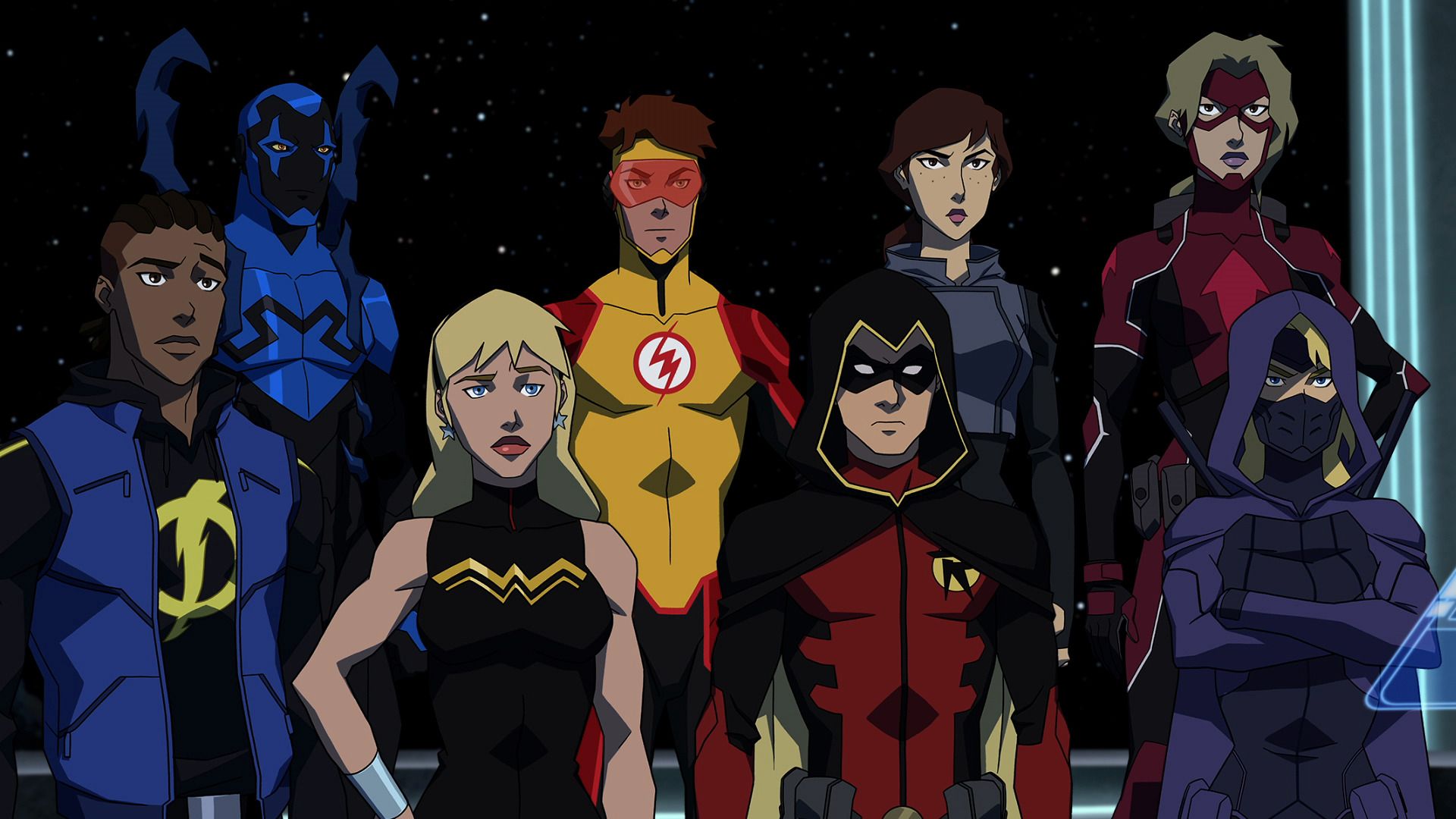
The landscape of modern superhero television features massive franchise empires, yet very few properties have demonstrated the sheer endurance and storytelling tenacity of Young Justice. Originally debuting in November 2010 and now streaming in its entirety on HBO Max with 98 episodes across four seasons, the acclaimed animated drama created by Brandon Vietti and Greg Weisman set a high standard for mature character development while defying cancellation twice across its decade-long journey.
Over four sprawling seasons, the series chronicled the tactical and psychological growth of the Justice League's young protégés. Unlike disposable Saturday-morning cartoons, Young Justice embraced long-term serialization where mistakes carried irreversible consequences, sacrifices left real trauma, and significant time jumps reshaped the roster between production cycles, constantly placing seasoned operatives in leadership roles over new recruits.
Early Critical Success and the Mattel Merchandise Dilemma
When the series premiered on Cartoon Network in 2010, it instantly garnered widespread critical praise for its kinetic choreography and intricate political espionage plotting. The core dynamic centered around Robin (Dick Grayson, voiced by Jesse McCartney), Aqualad (Kaldur'ahm, voiced by Khary Payton), Kid Flash (Wally West), Superboy (Conner Kent, voiced by Nolan North), Miss Martian (M'gann M'orzz, voiced by Danica McKellar), and Artemis Crock operating as an undercover black-ops unit directed by Batman, far from the public pageantry of their adult mentors.
The first season meticulously established the psychological friction of teenage sidekicks stepping out of titanic shadows, balancing undercover sting operations with heartfelt adolescent vulnerability. The boldness of the creative team became even more pronounced with the arrival of season two, subtitled Invasion, which executed a daring five-year narrative leap. This leap saw Dick Grayson transition into Nightwing, elevated Kaldur'ahm to an undercover operative infiltrating Black Manta's criminal syndicate, and introduced fan favorites such as Blue Beetle (Jaime Reyes) and Impulse (Bart Allen).
However, traditional American cable television in the early 2010s was intimately tied to toy sales. Because the series attracted an unexpectedly large demographic of teenagers, young adults, and female viewers who did not purchase basic plastic action figures, toy manufacturer Mattel chose to sunset its merchandise line. Without commercial backing from its core toy sponsor, Warner Bros. and Cartoon Network cancelled the show in 2013 at the end of season two, leaving major plot threads involving Darkseid and Vandal Savage completely unresolved.

Fan Campaigns and the DC Universe Streaming Renaissance
The abrupt 2013 cancellation triggered an unprecedented grassroots movement across social platforms, amplified by massive repeat viewing when the initial 46 episodes were licensed to Netflix. The undeniable viewership metrics proved to studio executives that the audience was hungry for more, resulting in a landmark 2016 announcement: a brand-new 26-episode third season designed as the marquee flagship for the upcoming DC Universe streaming platform.
Titled Young Justice: Outsiders and launching in 2019, the revived project took full advantage of subscription video-on-demand liberties. Boasting a more mature rating, the episodes fearlessly explored metahuman trafficking rings, geopolitical proxy wars, genetic exploitation of youth refugees, and the moral compromises of secret intelligence. This narrative ambition cemented the production's stature within our curated entertainment and television coverage, demonstrating how comic book adaptations thrive when treated with dramatic dignity.
"From day one, we designed this story to mirror the living continuity of DC Comics. There is no true final curtain because the world keeps breathing and these characters keep fighting, whether or not cameras are rolling."— Greg Weisman, co-creator and head writer of Young Justice
Surviving a Second Corporate Pivot to Arrive on HBO Max
Despite stellar audience engagement, broader corporate realignments under WarnerMedia precipitated another crisis in 2021. With the restructuring and phase-out of the specialized DC Universe video service, several productions were cancelled outright. However, the immense streaming value of Young Justice secured a migration to HBO Max, accompanied by a full 26-episode renewal for season four, dubbed Young Justice: Phantoms.
Structuring the season into character-specific multi-part arcs focused on each original founder, season four provided profound emotional resolutions that had been brewing for over ten years. From the planetary wedding of Conner Kent and M'gann on Mars to Artemis confronting the lingering grief over Wally West and Zatanna navigating mystical threats with her apprentices, the run brought the total catalog count to 98 episodes. Extremely few animated series have survived multiple network shutdowns, streaming relocations, and corporate mergers with their creative vision entirely intact.
Broadcast Timeline and Platform Evolution
The table below summarizes the operational transitions across the series' historic lifespan:
| Season | Debut Year | Episodes | Original Platform | Core Narrative Focus |
|---|---|---|---|---|
| Season 1 | 2010–2012 | 26 | Cartoon Network | Formation of the covert team and unmasking internal moles manipulated by The Light. |
| Season 2 (Invasion) | 2012–2013 | 20 | Cartoon Network | A five-year time jump revealing an alien infiltration orchestrated by the insidious Reach. |
| Season 3 (Outsiders) | 2019 | 26 | DC Universe | Underground metahuman genetic smuggling rings and geopolitical crises in Markovia. |
| Season 4 (Phantoms) | 2021–2022 | 26 | HBO Max | Character-driven emotional arcs for the six founders, Mars politics, and the Legion. |
Why the Animated Epic Will Never Truly End
While season five has not been officially greenlit, Weisman has consistently reminded viewers that his storytelling philosophy explicitly rejects neat, tidy finales. In his view, comic book universes are ongoing ecosystems: new conflicts perpetually emerge, sidekicks become mentors, and heroism is a generational marathon rather than an isolated sprint.
This timeless quality was highlighted in recent retrospective analysis by ScreenRant, noting that the series has attained rare status as a resilient streaming classic. Even during hiatus, its intricate worldbuilding and emotional weight draw tens of thousands of returning viewers every single month.
Direct Influence on James Gunn's DCU Vision
As DC Studios leaders James Gunn and Peter Safran architect an interconnected cinematic and television landscape, lessons from past triumphs are actively informing the blueprint. As examined in our look at James Gunn’s DCU roadmap, the filmmaker has openly acknowledged the importance of animated adaptations that respect source mythology with emotional nuance.
"We want to build a cinematic universe where storytelling decisions matter permanently and characters earn their maturity organically, much like remarkable triumphs like Young Justice demonstrated over the years."— James Gunn, Co-CEO of DC Studios
Whether guiding team dynamics in forthcoming releases like Lanterns or inspiring grounded tonal balance across DC Studios productions, the enduring legacy of Young Justice is secure. Across 98 episodes, it stands as undeniable evidence of fan passion and the boundless dramatic power of superhero animation.
Suggested and related articles
Green Lantern: DC Animated Series Sets 10-Episode Order
Haunted Hotel Season 2 Confirmed by Netflix: Release Window, Cast and Animated Series Details
Monarch Season 3 Eyes Major Reset With New Titans and Crew
South Park Wins Emmy After 13 Years With Donald Trump Satire and Historic Jab at the President
Netflix Unveils Pride and Prejudice Trailer