Dutton Ranch gives Beth and Rip a new rhythm
Published on · Updated on
The spin-off keeps the couple intense but changes their pace: life in Texas, new conflicts and Carter reveal a more careful side of Beth and Rip.
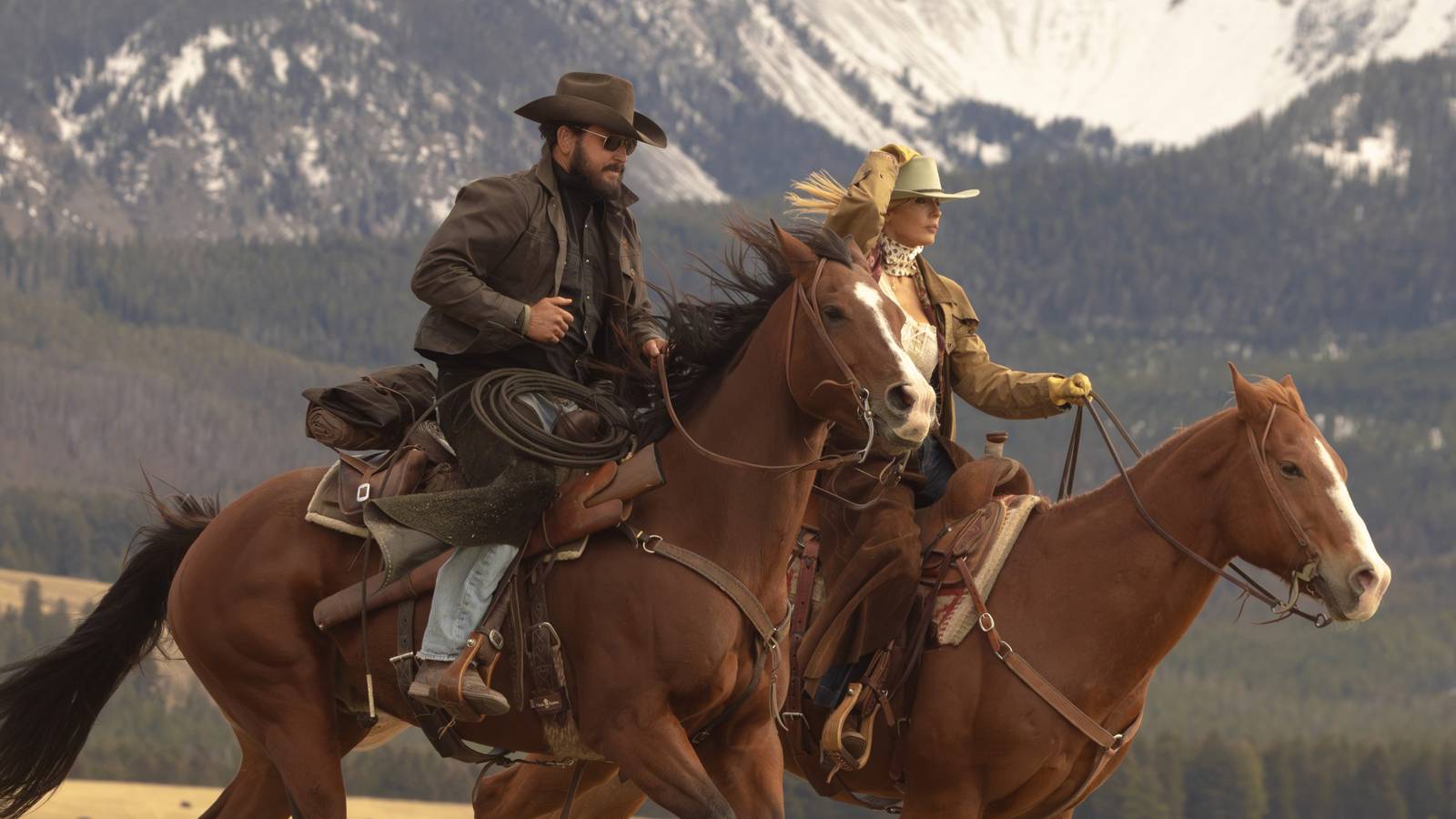
A CBR analysis published October 26 says Beth Dutton and Rip Wheeler behave differently in Dutton Ranch: they retain the intensity that defined Yellowstone, but act with more caution and care. The spin-off, led by Kelly Reilly and Cole Hauser, premiered May 15, 2026 and follows the pair as they try to start over in Texas. CBR argues that the move from Montana to Rio Paloma, along with their responsibility for Carter, helps explain why they seem less explosive.
This is a character reading, not confirmation that Taylor Sheridan abandoned an official plan. CBR points to differences between the two shows and cites scenes from season one. Paramount+'s official premise describes Beth and Rip betting on a new life in Texas. The contrast is therefore about how they handle conflict, not about losing the traits that made them recognizable.
A new setting changes the rules
In Yellowstone, Rip was John Dutton's foreman and Beth lived amid family, power and land disputes. CBR recalls a couple shaped by fierce loyalty, aggressive responses and a willingness to cross lines. That environment constantly encouraged escalation: there was the ranch to protect, familiar enemies and a network of allies who understood the Dutton reputation.
Dutton Ranch moves the story to Rio Paloma in South Texas. The official synopsis frames the move as an attempt to build a new life, while a different place forces them to learn its people, interests and risks before reacting. CBR reads this as a period of observation. Rip no longer automatically has the same crew around him, and Beth must gauge how her decisions land in a territory where the Yellowstone name cannot solve every problem.
The setting changes the pace without erasing the past. Violence and bluntness remain options, but they are no longer the immediate answer to every provocation. Viewers may see a more restrained version of the characters; within the story, their caution can also be understood as adapting to a reality where impulsive choices carry new costs.
Beth makes room for a more caring side
One example CBR highlights is Beth's response to a badly injured horse. Rather than immediately accepting euthanasia, she asks whether it can be saved and offers to pay for treatment. The moment contrasts with her dislike of horses in Yellowstone. It does not turn Beth into someone else; it suggests that experience and the chance to build a home with Rip and Carter have made room for a less defensive response.
CBR also points to a visual shift. Montana's business attire and carefully intimidating image give way frequently to jeans and flannel. The series still brings back Beth's calculating side when she must defend the ranch's interests, including a negotiation with a Dallas restaurant. That return to the strategist shows the show has not discarded her skill or ambition; it now alternates them with domestic moments.
The contrast is clearer in her exchanges with Oreana Jackson. According to CBR, Beth still sets boundaries, but manages tension more coolly than she once did with women she viewed as threats. The review sees this as reduced ferocity. Another reading is that Beth has learned to choose her battles, especially now that more vulnerable people depend on her.
Rip no longer rushes into every fight
Rip is associated with a simple rule from the old bunkhouse: anyone who wanted to fight another ranch hand had to face the foreman first. CBR contrasts that image with a Dutton Ranch scene in which two men fight while Rip watches from horseback instead of stepping down to separate them. The choice stands out because the earlier series made his physical intervention a mark of authority.
The article suggests Rip is learning to read his new surroundings before imposing the old hierarchy. This may disappoint viewers expecting every episode to repeat Yellowstone's confrontations, but it raises a different dramatic question: how does someone used to solving problems with force lead when he does not yet know the local alliances? Restraint need not mean weakness; it can be a temporary strategy in a place where every move affects the family's future.
Carter shifts the center of their relationship
Responsibility for Carter is another key part of the interpretation. In Yellowstone, Beth resisted being a mother even as the teenager became part of their lives. CBR notes that the spin-off shows more patience: she lets him express anger without immediately punishing him. Rip, in turn, acknowledges the boy's pain without turning the conversation into another contest of authority.
This family unit gives the couple's choices tangible consequences. Beth and Rip are not only trying to protect property or defeat rivals; they must offer Carter a stability they never had. Their growth is measured by how they care for him, not just by how many enemies they can intimidate. That softens the dynamic while creating new conflict, since protection can clash with a teenager's independence and the demands of ranch work.
“Kelly Reilly and Cole Hauser return as the indomitable Beth Dutton and Rip Wheeler.”
Paramount's promotional line stresses the couple's continued strength. The change CBR describes lies in how that strength appears: less as constant explosion and more as something the characters can control, save or direct.
What the change means for the series
So far, this is not a confirmed break with Sheridan's creative plan. CBR offers a critical reading of season one: Beth and Rip seem less chaotic because they are in a different phase, in new territory, with Carter at the center of their decisions. The official premise confirms the move to Texas but does not say the couple has abandoned the temperament they brought from Montana.
For franchise viewers, that difference may be the spin-off's main appeal. Repeating the same dynamic would make Rio Paloma feel like another version of the old ranch. By slowing some reactions, the show tests whether Beth and Rip remain recognizable when they leave behind the same triggers. Tension can now come from what they do and what they choose not to do.
The first season launched with two episodes on May 15 and ran for nine episodes, according to Paramount+'s official guide. The platform describes Texas as a chance to build a new life, while CBR focuses on the emotional cost of that attempt. Together, these details show the series trying to preserve the characters' popularity while placing them in a routine that can change them.
The phrase “new blueprint” therefore works best as interpretation, not as a report about behind-the-scenes plans. What viewers see is a recalibration: Beth remains incisive and Rip remains dangerous, but both show more hesitation and care. If the series turns that restraint into conflict rather than mere softening, the distance from Yellowstone can give them a distinct path.
Read more about television series and Paramount's moves in entertainment.
Sources: CBR; Dutton Ranch on Paramount+; Paramount Press Express.