
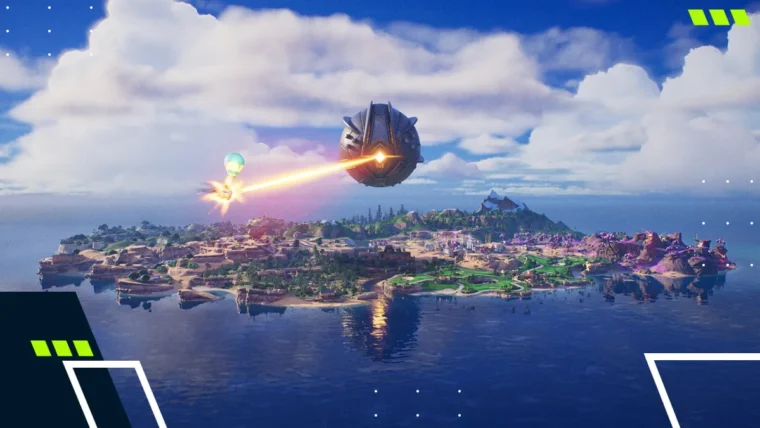
Fortnite, the Epic Games phenomenon that revolutionized the battle royale genre, remains a dominant force in the gaming scene even after almost a decade since its launch. In January 2026, third-party data indicates the game maintains an impressive average of approximately 1.2 million daily active players across all platforms. That number, which reflects concurrent users rather than total accounts, places the title alongside giants like Counter-Strike 2, demonstrating its continued vitality in the market.
The relevance of these figures is largely due to Epic Games’ aggressive update and event strategy. With new content and collaborations expected throughout the year, the game manages to retain a loyal base and attract new players. In this way, the franchise proves that its live-service formula, focused on constant innovation and unique experiences, continues to work very well.
What drives player peaks?
Fortnite’s numbers are notoriously volatile and depend directly on the content calendar. New season launches and special events generate massive audience spikes. A clear example came in November 2025, with the start of Chapter 7, when the number of active players grew by more than 35% compared to the previous month, reaching a peak of 9.7 million players. However, mid-season periods tend to see a natural drop in engagement, which explains the current daily average.
In addition, the success of specific modes has been crucial to sustaining the player base. The Blitz Royale mode, launched in June 2025, started as a limited-time experience but became permanent after attracting more than 530,000 concurrent players. Likewise, the LEGO Fortnite experience, which blends building with survival, reached a historic peak of 2.4 million players at launch in December 2023. These expansions show how Epic Games explores new dynamics to keep the game fresh.
Player profile and future outlook
A recent Verto Analytics study reveals that Fortnite’s audience remains mostly young and male. About 62.7% of players are between 18 and 24 years old, while 22.5% are in the 25-to-34 range. In terms of gender, men represent almost 90% of the base. These data suggest that the game’s first generation of fans remains loyal, while the title continues to attract younger new players, securing its long-term relevance.
Although the number of active players has gradually declined throughout 2025, falling from an average of more than 2 million in late 2024 to the current 1.2 to 1.4 million, experts say this is part of the natural cycle of a live-service game. Therefore, the question “Is Fortnite dying?” comes up every season, but the robust numbers and Epic’s ability to create unique cultural moments, such as in-game concerts, indicate the battle royale still has plenty of life left for the coming years.
💬 Comentários (0)
Deixe sua teoria ou opinião sobre esta matéria.
Nenhum comentário por enquanto. Seja o primeiro a comentar!