
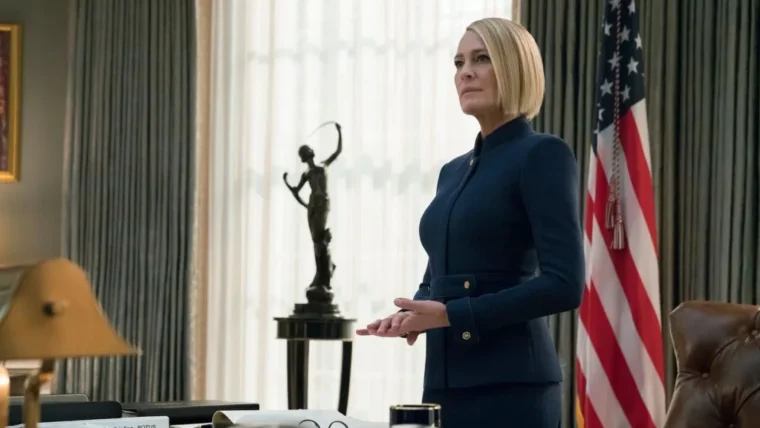
House of Cards, the series that practically founded the Netflix empire as we know it, remains unavailable to millions of Brazilian subscribers in January 2026. The six-season production, which premiered in 2013 and revolutionized binge-watching, is blocked for users on the ad-supported plan, the cheapest tier on the platform. That block stems from old licensing contracts, signed at a time when Netflix did not even consider an ad-supported service. As a result, viewers who pay less to watch series with commercial breaks cannot access one of the most important works in the catalog, creating a paradoxical situation for the audience.
The series, which had an initial investment of around US$ 100 million (equivalent to over R$ 500 million at the time), was the big leap by Netflix into original production. Thanks to it, the company added millions of global subscribers and proved that streaming could rival traditional cable networks. Yet despite being sold as a Netflix Original, the production and distribution rights belong to outside companies, Media Rights Capital (MRC) and Sony Pictures Television. As a result, the original contracts did not cover exhibition in an ad-supported environment, which creates the current stalemate.
The cost of the past for the future
The problem with House of Cards is not unique. Several other titles billed as platform originals face the same barrier in 2026. The difference is that this series carries immense symbolic and historic value. Negotiating the rights to show it with ads involves considerable extra cost for Netflix, which would have to pay again for a series that ended years ago. Meanwhile, budget-plan subscribers are frustrated to discover that a cornerstone of the service is locked behind a digital paywall.
So the situation leaves a question hanging: is it worth it for Netflix to invest in unlocking its cheapest historic content, or is it better to focus the entire budget on new productions? For now, the Underwoods political maneuvering remains an experience only for those who pay more for the ad-free subscription. The episode serves as a clear reminder of how contracts from the past can shape and limit entertainment offerings in the future of streaming.
💬 Comentários (0)
Deixe sua teoria ou opinião sobre esta matéria.
Nenhum comentário por enquanto. Seja o primeiro a comentar!