
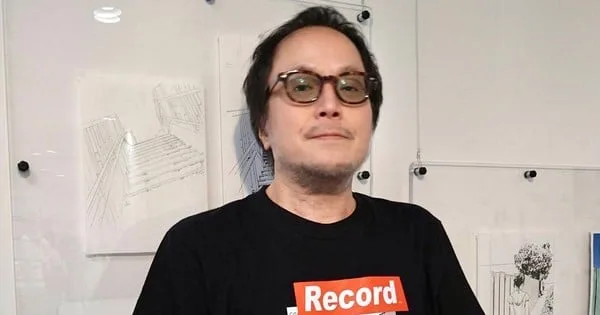
The mangaka Hisashi Eguchi, known for his work on titles such as Perfect Blue", Roujin Z" and Sonny Boy", issued a public apology in late 2025. The artist acknowledged using tracing, the technique of copying photos, in a commercial illustration created for a cultural festival in Japan. The controversy began in October, when model and writer Kyū Kanai was surprised to see her own image printed on posters around Ogikubo, Tokyo, without her prior knowledge.
Since then, Eguchi has explained his working process and reached an agreement with the model through lawyers. However, due to the backlash, major companies such as the Lumine store chain and Denny"s Japan removed his illustrations and promised to review future collaborations. The case has therefore reignited a crucial debate in the art world in 2026: where is the line between reference, inspiration, and copyright infringement in the digital age?
From the apology to the practical consequences
In his statement on social media, Eguchi got straight to the point. He admitted that for more than 40 years he had kept an analog working method in which tracing photos was part of the initial sketch. However, the mangaka also acknowledged that he had not kept up with the social and ethical standards that evolved over recent decades. “I clung, unconsciously, to the immature understanding I had in my carefree twenties,” he wrote, reflecting on his career. After the initial contact, model Kyū Kanai consented to the use of the image, but the situation had already grown into a full scandal.
As a direct result, Lumine Ogikubo pulled all event advertising featuring the artwork. Likewise, Denny"s Japan announced a pause in using Eguchi’s illustrations in its promotional materials. The episode thus serves as a warning to creators worldwide, especially in Brazil, where anime and manga fan culture is huge. The discussion about originality and the limits of reference promises to stay heated in early 2026, both in Japan and internationally.
💬 Comentários (0)
Deixe sua teoria ou opinião sobre esta matéria.
Nenhum comentário por enquanto. Seja o primeiro a comentar!