Blade Runner 2099: is it worth watching? What critics say
Published on · Updated on
The series debuted on November 25 with 70% on Rotten Tomatoes and 65 on Metacritic, but audiences sit at 51%. Here is what critics say and whether it is worth it.
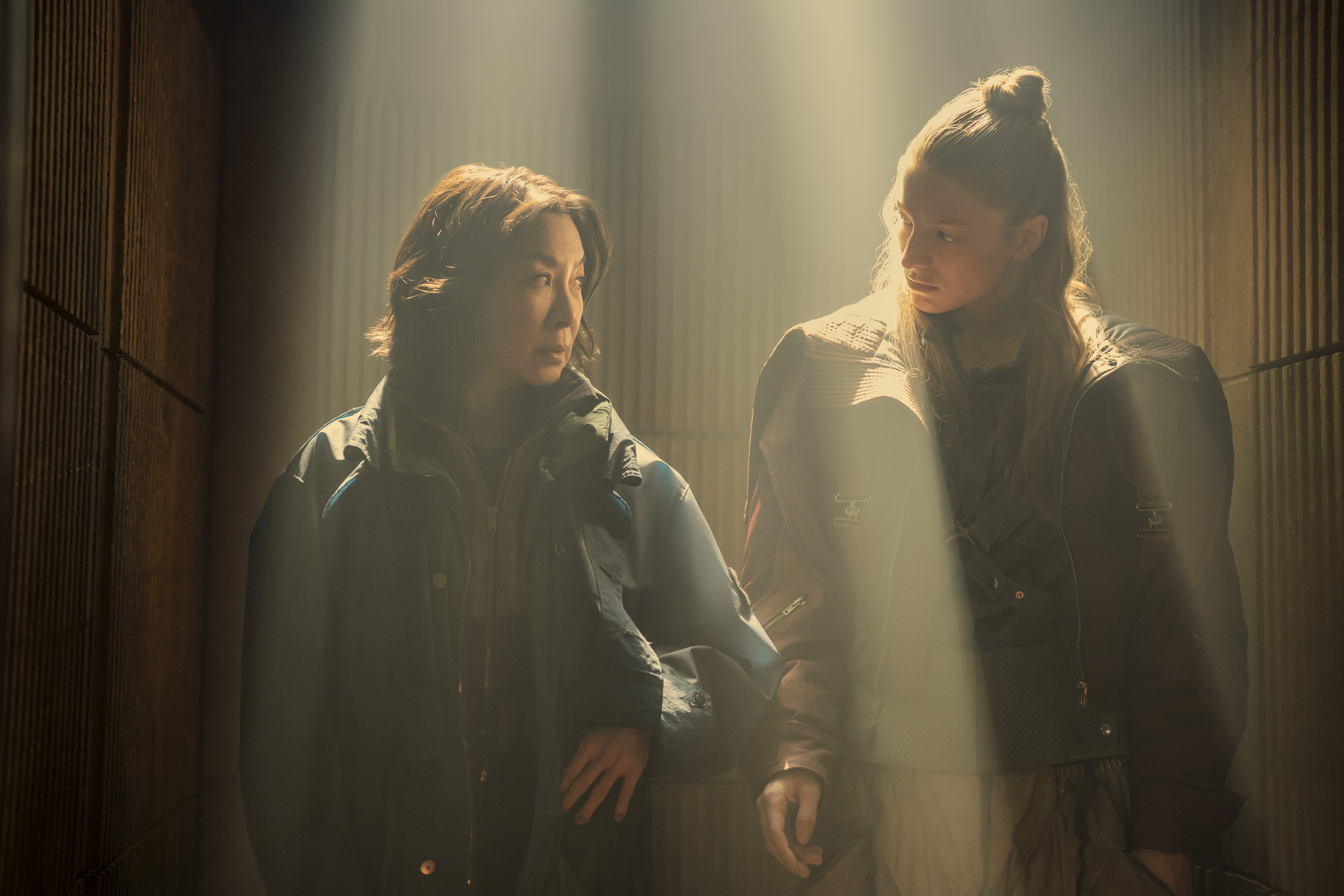
“Blade Runner 2099” arrived on Prime Video on November 25, 2026, with all eight episodes released at once in more than 240 countries — and with a reception no fan of the franchise could call unanimous. Created by Silka Luisa and starring Hunter Schafer (Cora) and Michelle Yeoh (Olwen), the first live-action series set in the universe Philip K. Dick imagined and Ridley Scott brought to the screen holds a 70% Tomatometer from 66 reviews and a 65/100 Metascore from 30 critics, while audiences sit at 51% on the Popcornmeter. The press praised the spectacle, the production design and the lead duo, but pushed back on pacing and length; part of the audience has not made up its mind. The question worth asking is simple: is it worth watching?
It is — with caveats that depend on what you are looking for. Viewers who want the “Blade Runner” universe expanded with feature-film craft and a genuinely interesting inversion of the premise have good reasons to press play. Those expecting the impact of a two-hour movie will hit a sagging middle stretch and an ending that split critics. Below is what the first reviews actually say, with numbers, names and the caveats the marketing does not show.
The scoreboard: 70% from critics, 65 on Metacritic, 51% from audiences
As of Friday afternoon (27), the three most-followed aggregators pointed in different directions. On Rotten Tomatoes, the series holds 70% positive reviews across 66 critiques — enough for a “fresh” rating, but far from the enthusiasm that usually surrounds the platform’s biggest bets. On Metacritic, the weighted average is 65/100 from 30 reviews, a range described as “generally favorable”. The Popcornmeter, Rotten Tomatoes’ audience index, registers 51% approval from just over 100 ratings.
| Metric | Score | Sample | Reading |
|---|---|---|---|
| Rotten Tomatoes (critics) | 70% | 66 reviews | Fresh, with reservations |
| Metacritic (critics) | 65/100 | 30 reviews | “Generally favorable” |
| Popcornmeter (audience) | 51% | 100+ ratings | Split |
The numbers demand caution: just over a hundred ratings during a premiere weekend say more about the first hours on the service than about long-term reception. The critical record, on the other hand, already has enough weight to point to a consensus. Rotten Tomatoes itself summed it up on November 23: critics say the limited series “overstays its welcome a bit, but it largely captures the essence of the franchise with visual flair and an intriguing twist”. The full roundup is in Rotten Tomatoes’ first-reviews special.
What critics praised: the world, the light and the score
In almost every positive review, the first compliment goes to the world-building. The Guardian opened its review by writing that “every scene of this TV version is packed with terrifying visual beauty”. TheWrap credits the effect to “staggering production design from Chloe Arbiture and Paul Inglis and set decoration by Patricia Cuccia”.
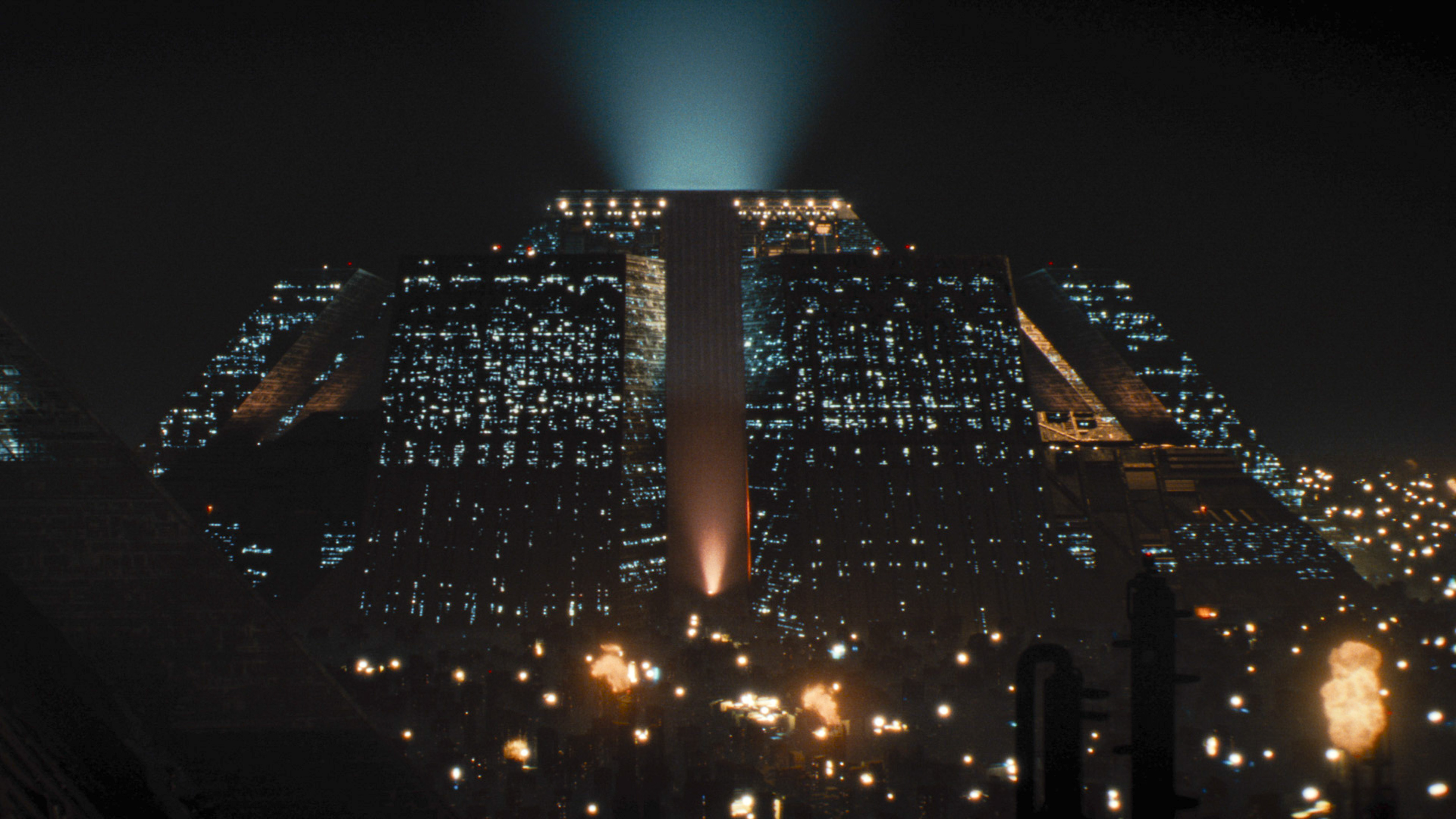
There is also an aesthetic choice that became a talking point: instead of repeating the darkness of the 1982 film or the neon of “2049”, the series leans into daylight. Region Free notes that the show “uses sunlight the way Ridley Scott’s Blade Runner used darkness and Villeneuve’s neon”. Leopold Ross’s score emerges as a rare point of agreement between praise and complaints: the Telegraph calls it “an unrelenting engine of foreboding and melancholy”, while Screen Rant says the music remains “consistently fantastic throughout”.
What critics pushed back on: eight hours for a two-hour story
The most repeated reservation is length. Variety acknowledges that the series expands the mythology with care, but concedes that its thesis can wear “a little thin”. The Verge puts it bluntly: the show “is just a little too long for its own good”, stretching itself thinnest in the middle episodes. Decider agrees, arguing that this incarnation “doesn’t consistently earn its eight-hour run time”.
The pacing problem comes with a complaint about the central plot. For TheWrap, the series works best when it behaves like an elevated investigative drama — something close to “True Detective: 2099” — and loses steam once it turns into a MacGuffin hunt in the middle stretch. IndieWire praises the atmosphere but finds the main investigation “too familiar” next to the side quests. Screen Rant adds that the action sequences fall short of the rest of the direction.
Schafer and Yeoh: what critics say about the leads
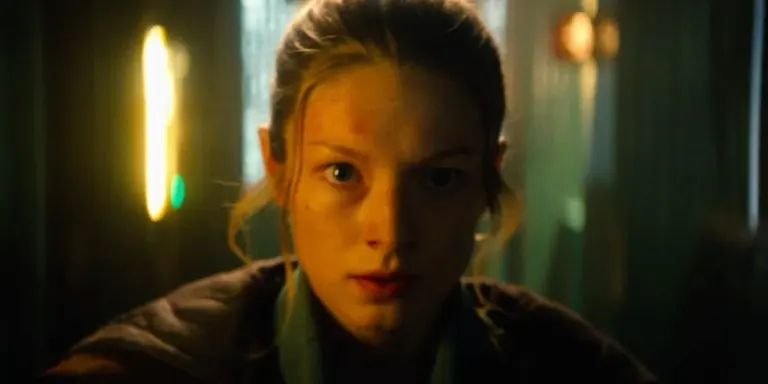
The two leads are where reviews diverge most. Variety frames the casting as a baton pass from an established action icon to an ascendant star, and calls the series “the actor’s biggest platform yet, and the best showcase for all she’s able to do”. Slashfilm argues the pair “bring a new feminine energy to the franchise”; io9 celebrates the chapter the show adds to the franchise’s endless pursuit of what it means to have a soul.
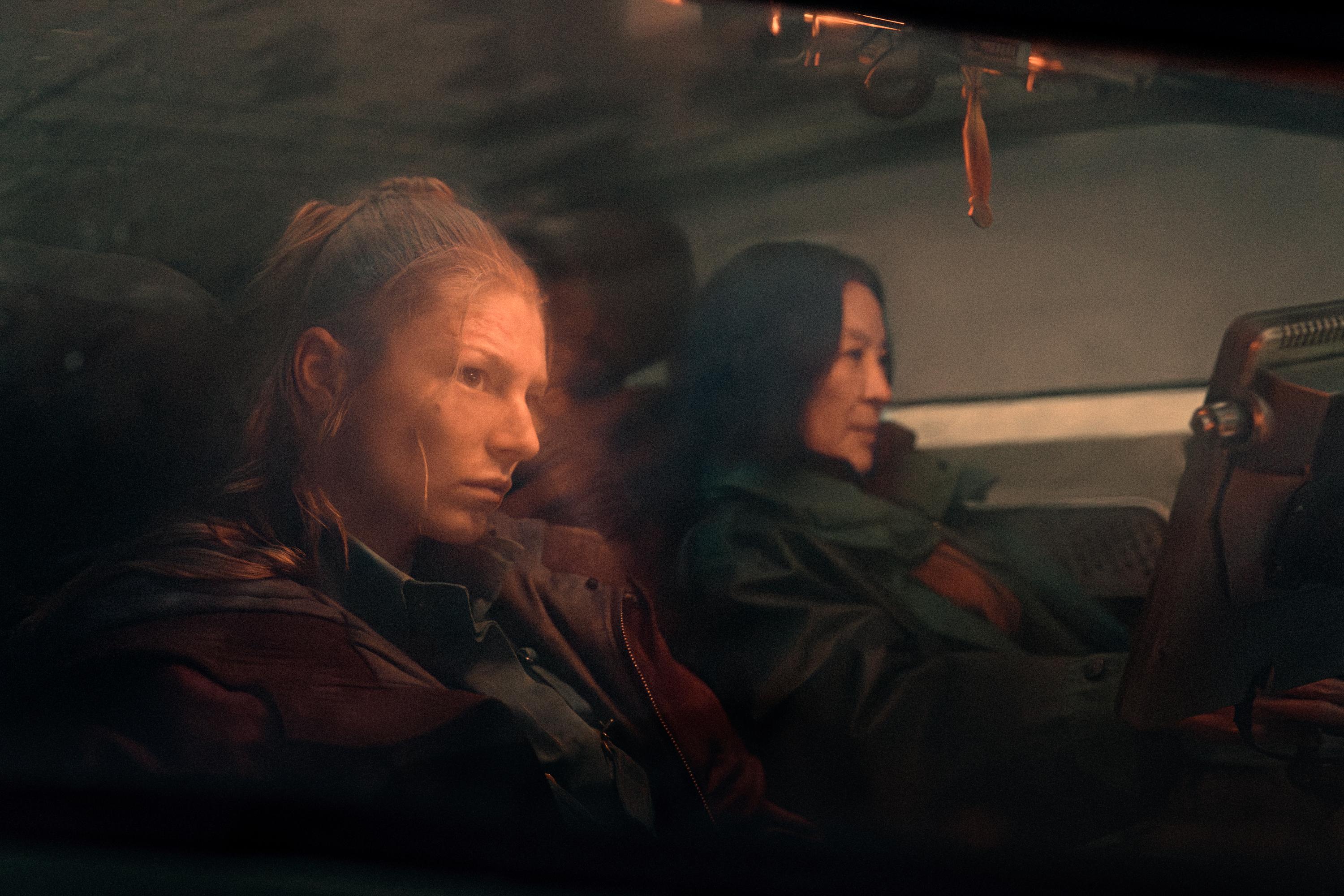
“Blade Runner 2099 is a disappointing continuation of the iconic series with miscast leads and a propensity to fan service.”
The IGN review is the harshest voice among broad-reach outlets and a useful counterpoint: part of the press argues that the actors’ charisma cannot carry characters that Next Best Picture describes as wooden. TIME, meanwhile, finds layers of vulnerability under a rigid mask — but headlines its review “A Brilliant Surface With No Human Soul”.
Audiences are split — and the sample is still small
If critics landed slightly positive, the audience is in a technical tie: the 51% Popcornmeter suggests half of viewers recommend it and the other half walk away frustrated. Forbes had already noted that the critics’ score sits below both films in the franchise — relevant data for anyone measuring the series against the movies.
“The wider canvas of television gives Blade Runner room to explore this sad and strangely beautiful future and for its thesis to wear a little thin. Fortunately, the former largely wins out.”
The inversion the series proposes
To judge the reception, it helps to understand the pitch. The story is set 50 years after “Blade Runner 2049”, in a 2099 Los Angeles, and flips the franchise’s classic logic: replicants now hunt runaway humans, having appropriated the blade runner label for themselves. Cora is a human fugitive who takes on a hunter’s identity and is forced to partner with Olwen, a veteran replicant nearing the end of her useful life. Together they track a runaway carrying a secret capable of destabilizing the city.
The premise is what Polygon calls “a fascinating inversion for the franchise” and what makes the show, in its words, “the rare tie-in that doesn’t just seem like IP management”. Ridley Scott, director of the 1982 film, is among the executive producers; Jonathan van Tulleken served as producing director; Silka Luisa runs the writers’ room as creator and showrunner. The full fact sheet, cast included, is on the series page in the Revista Pixel catalog.
So, is it worth watching?
It depends on what you want — and the honest answer is not the same for every viewer.
- For fans of the franchise: yes. The series respects the films’ visual and thematic code, expands the mythology and delivers a lead duo that carries the season. The caveat is pacing: expect slow middle chapters.
- For newcomers: yes, as an entry point. Reviewers note you do not need the movies to follow the plot, though references and Easter eggs will be lost on you.
- For anyone who wanted “another film”: probably not. The most consistent complaint is that the story would play better at two hours.
- For viewers who love atmospheric science fiction: yes. Production, lighting and score sit at the level the franchise already reached on the big screen, and that is the one point nearly every review agrees on.
The verdict is not binary. The show did not repeat the near-unanimous enthusiasm that greeted “2049”, but it did not fail either: 70% approval and a 65 Metascore are the numbers of a well-received production. For most viewers the likeliest outcome is a mix of highs and lows — and the certainty that the question at the heart of Philip K. Dick’s universe, what it means to be human, keeps producing stories.
How to watch and what may come next
“Blade Runner 2099” is available in full on Prime Video, with eight episodes. Billed as a limited series, the production already fuels speculation about continuity: The Verge points to a “very final finale”, while io9 notes that the door remains open for more stories. Viewing data over the coming weeks should indicate whether Amazon turns the experiment into a permanent television franchise. The premiere details and cast are in the story Revista Pixel published when the date was announced.
Meanwhile, the reception has revived interest in other cyberpunk titles in the catalog — including one of Prime Video’s recent bets on the genre. For upcoming premieres and reviews, follow the series and TV section of Revista Pixel. The Spanish version of this analysis is available here.
Reporting based on public data checked on November 27, 2026: Rotten Tomatoes, Metacritic, Rotten Tomatoes Editorial, Variety, The Guardian, The Verge, IGN, Observatório do Cinema, NSS Magazine and Forbes.
Entities in this article
Suggested and related articles
Blade Runner 2099 Gets Prime Video Release Date and Teaser; Check Out the Details
Blade Runner 2099: where to watch and how many episodes
Fallout season 4: what is confirmed and what is rumor

Who Is Hunter Schafer, Rumored for Mystique in X-Men?
How to Try Amazon Prime Video Free for 30 Days