
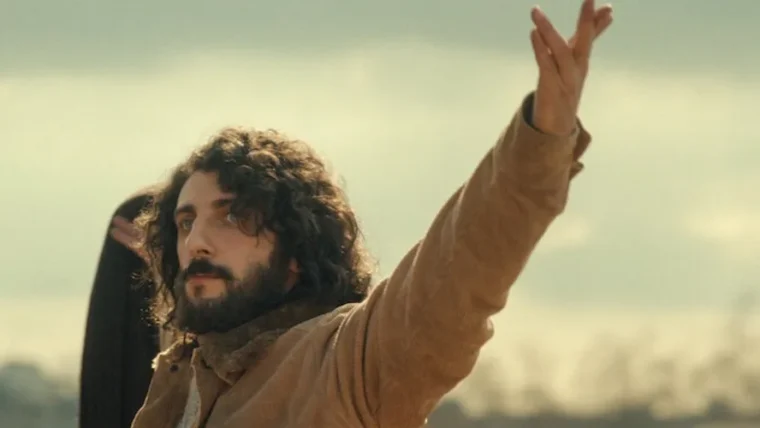
The Italian thriller The Counterfeiter, available on Netflix since January 2026, leaves viewers with a disturbing question after the final credits. The film, directed by Stefano Lodovichi, follows the rise of forger Toni within Rome’s criminal underworld, a journey that culminates in a morally ambiguous outcome. The big question dominating discussions is straightforward: did the protagonist, played by Francesco Scianna, knowingly order the death of his friend Vittorio to secure his own escape? The answer, however, lies not in an explicit scene, but in the set of calculated choices that define the character’s essence.
To understand the weight of that decision, it is necessary to revisit the story’s context. Set in 1970s Italy, the film shows Toni being recruited by a mysterious figure known as The Tailor, who represents State interests. His mission is to use his talent for forgery as a political weapon, a role that puts him on a collision course with dangerous factions. When the fragile balance breaks, following real historical events, Toni realizes he has become expendable and must devise an escape plan. It is at this moment that Vittorio’s betrayal, pressured into revealing the location of valuable documents, triggers the final sequence. The film, therefore, shifts from a crime thriller into a profound study of survival and the cost of freedom.
Ending Analysis: A Choice by Omission
The narrative brilliance of The Counterfeiter lies precisely in what is left unsaid. The film never shows Toni giving a verbal execution order. Yet the final scene builds the answer relentlessly through the protagonist’s actions and omissions. By handing the car keys to Vittorio, knowing that the hitman Sansiro is waiting inside the vehicle, Toni makes an active decision. He sets the trap, provides the means for it to be carried out, and then moves on with his life without looking back. That attitude is the logical extension of a lifetime devoted to using people for his own benefit, a central theme the film explores from the start.
In this way, Vittorio’s sacrifice is presented not as an act of revenge, but as the only way out Toni sees to save himself, his partner Donata, and the child they are expecting. The famous Latin phrase tertium non datur (there is no third option), quoted by Vittorio himself earlier in the story, returns with tragic irony. When faced with the final choice, Toni shows that, in his world of lies and betrayals, concepts such as friendship and redemption are luxuries he cannot afford. The heavy silence he shares with Donata in the taxi as they leave Italy serves as the definitive confirmation of the dark pact that sealed his freedom.
Fiction vs. Reality and the Film’s Legacy
It is interesting to contrast Toni’s fictional fate with the real history that partly inspired the film. The forger Antonio Chichiarelli, who operated in the same era, was murdered in Rome in 1984, with no chance of a fresh start. Lodovichi’s narrative, therefore, takes a different path, allowing its protagonist to survive but carry the moral burden of his actions. The ending of The Counterfeiter refuses to offer any easy absolution. Toni gets what he wanted, but at the cost of any remaining illusion about his own morality. The film closes with a powerful reflection: in a universe built on forgeries, even the feeling of freedom may be one final, elaborate lie.
💬 Comentários (0)
Deixe sua teoria ou opinião sobre esta matéria.
Nenhum comentário por enquanto. Seja o primeiro a comentar!