World of Warcraft Forever: What It Is and When It Launched
Published on · Updated on
World of Warcraft Forever is live: here is what the new Blizzard MMO branch is, how it differs from current WoW, and what is coming through December.
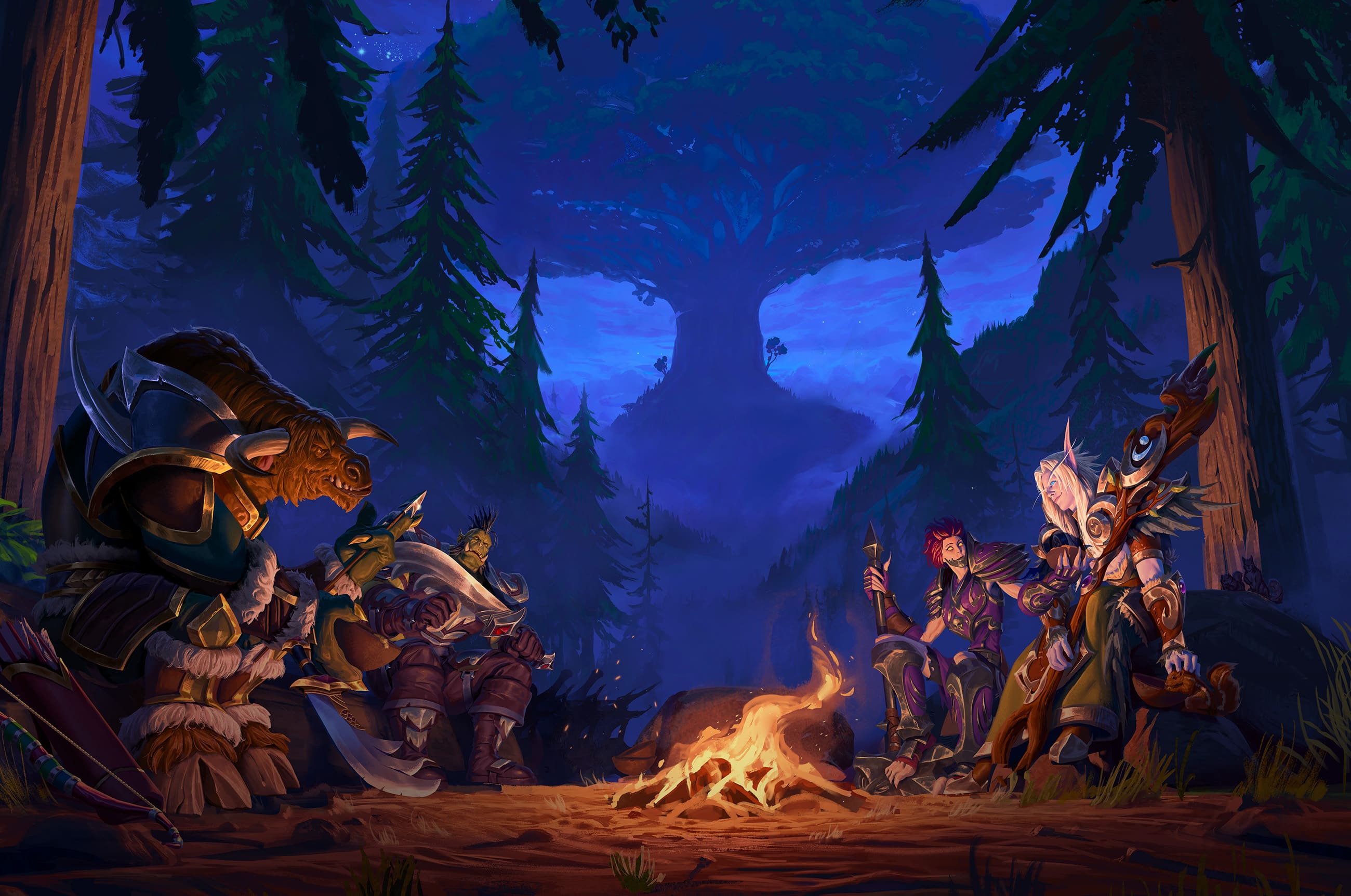
World of Warcraft: Forever is the new permanent branch of Blizzard’s MMORPG, released on November 4, 2026 for PC. It starts from the Azeroth of 2004, keeps the level cap at 60, and adds more than 1,000 quests, new zones, nine dungeons, fresh raids and a playable race that never existed in the original game, the Skyborne. All of it in its own continuity, running alongside modern WoW and WoW Classic. A World of Warcraft subscription grants access to the new mode at no extra cost.
The “when does it launch” question has had an answer since early November: the global launch happened on November 4, 2026, roughly seven weeks after the official reveal at BlizzCon on September 12. Below is what the project actually is, how it differs from the current game, and where the content calendar stands — without pinning down dates Blizzard has not confirmed.
What World of Warcraft Forever is
Forever grew out of what fans called “Classic Plus”: the idea of not merely recreating the 2004 WoW, as Classic does, but continuing from it. Instead of replaying the expansions that carried the game through The War Within and Midnight, Blizzard chose to freeze the level cap at 60 and grow sideways, expanding old zones and telling stories that had no room in the original game.
Chronologically, the story takes place after the events of Warcraft III Reforged: Forsaken Kingdom and before Molten Core. Players cross the original continents from level 1 to 60 in a world that acknowledges what came before but does not follow the timeline of the 2026 game. Blizzard describes Forever as a “permanent home” next to the modern game and Classic, not a replacement for either.
The project was announced on September 12, 2026 at BlizzCon, with a beta starting September 17. According to the team, the idea had been discussed since 2020 and took shape through the experience of World of Warcraft Classic and Season of Discovery — the experimental Classic season that already tested class, raid and narrative variations inside the 2004 framework.
For anyone following pop culture and games, the move resembles what Blizzard has done with other franchises: keep the main product and open a parallel line with its own rules. It is the same editorial strategy the site covers in other franchises from the company, from Overwatch to film adaptations.
Vídeo: Watch the official “New Horizons” cinematic trailer for World of Warcraft: Forever ↗
What changes compared to current WoW
The most visible difference is in the interface and the server structure. Instead of picking a realm before creating a character, players choose a Ruleset — Normal, PvP, Roleplay or Roleplay-PvP — which works as a broad ecosystem rather than a traditional server split. A Hardcore ruleset is promised for after launch, with no date yet.
In PvP, Blizzard is cracking down on faction imbalance. Because the split reached 55% Horde to 45% Alliance, beyond the 10% margin the team considers healthy, Horde character creation has been restricted in that environment. “That’s one of the most important things on a PvP server and we’re super-duper dedicated to making sure we maintain that balance,” said senior game designer Josh Greenfield in a press conversation.
On first login, players also pick an Experience Preset. Classic turns on standard-definition character models, and turns off transmog, one-bag view and objective markers, using the classic screen layout. Enhanced does the opposite: high-definition models, transmog on, one-bag and quest guidance enabled by default. The choice is only a starting point — everything can be adjusted later in the options menu.
Legacy, campsites and controllers
The Legacy System is the game’s bid for horizontal progression. Instead of leveling past 60, players earn account-wide points through challenges and spend them on character perks split across Professions, Adventure and Resourcefulness, plus cosmetic rewards. At launch, each character can spend up to 16 Legacy Points — and that cap can be reached on a single character, with no obligation to level alts.
The camping system turns Cooking’s Basic Campfire into a meeting point. Up to three players can contribute profession-crafted Camp Features, one each, and anyone who sits or crafts at the site for at least a minute receives the campsite buffs. Those bonuses are mutually exclusive with their equivalent class buffs, which creates a tactical decision: stop and socialize, or hit the road?
There is also gamepad support — targeting, casting, looting and menu navigation adapted — in a beta state, and a new two-part naming system, unique per region, to handle a world without realms. Small changes on paper, enormous in practice for anyone who has played the same way for two decades.
New zones, a thousand quests and the Skyborne race
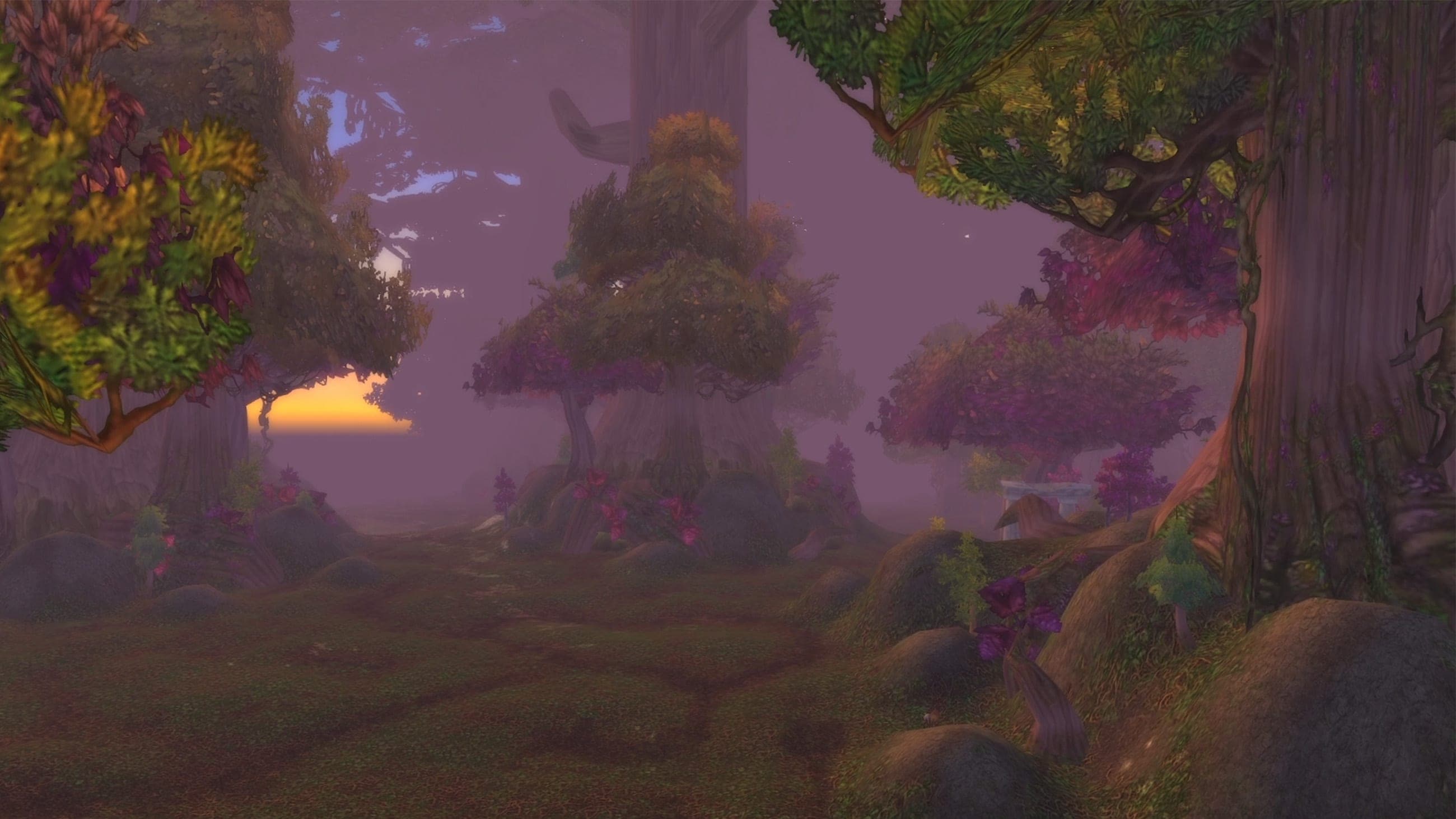
The map has grown. Blizzard names four main destinations: Mount Hyjal, explored after Archimonde’s defeat and passing through Darkwhisper Gorge; Shen’dralas, an area between Mulgore and Desolace tied to the Shen’dralar, Eldre’Thalas, Dire Maul and the local centaur tribes; Riverglades, a frontier of rivers, trade routes and struggling communities, with more than 150 quests across the mid-30s to mid-40s; and Zephras Isle, where the Skyborne starting experience runs from level 1 to 12.
Older zones were reworked as well. The engine gained new lighting with global illumination, volumetric particle effects, a rebuilt water renderer and real-time shadows — features Blizzard presented as part of an effort to modernize the presentation without changing the 2004 visual identity. Anyone who prefers the original look can choose standard-definition models, character by character.
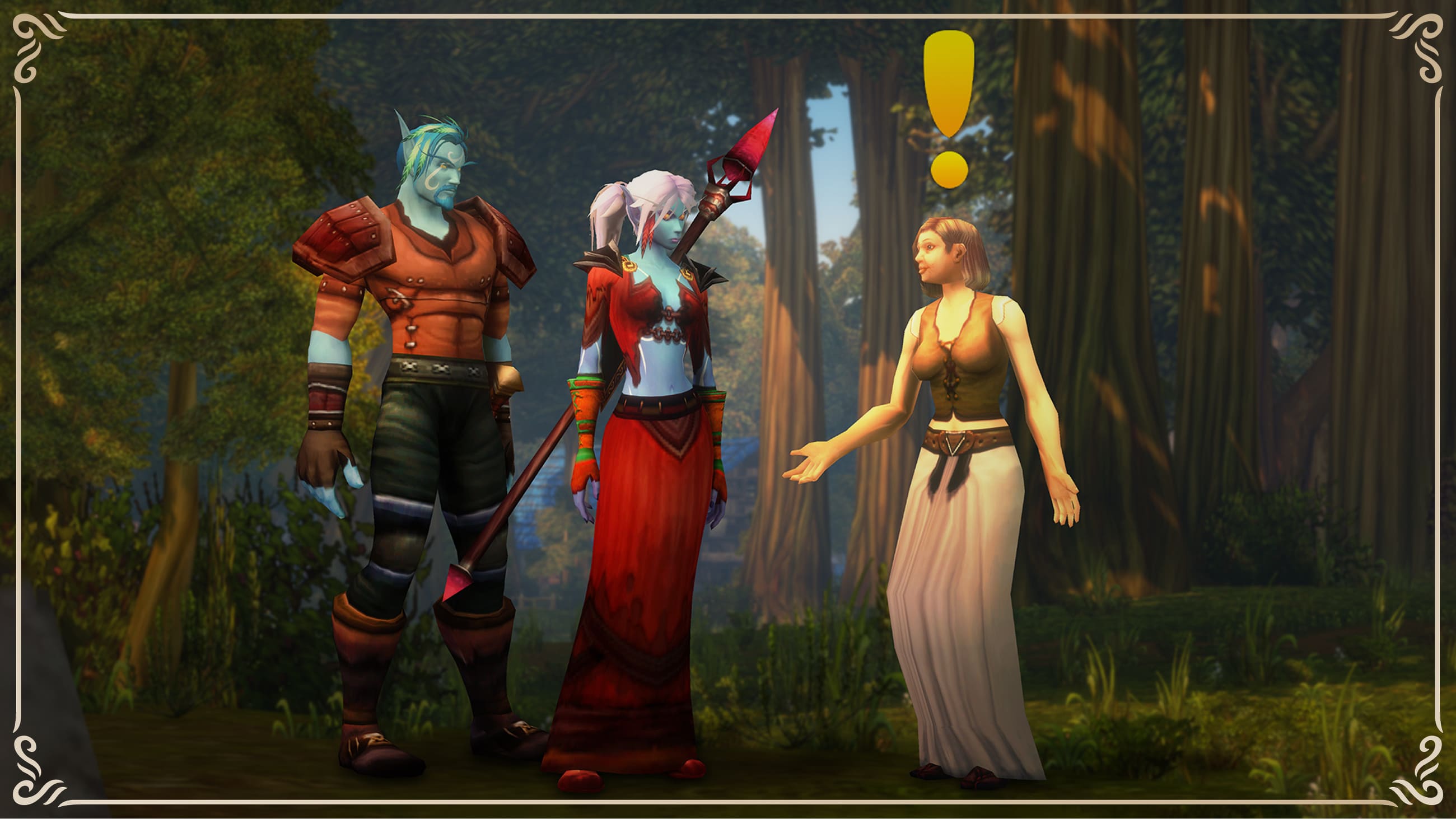
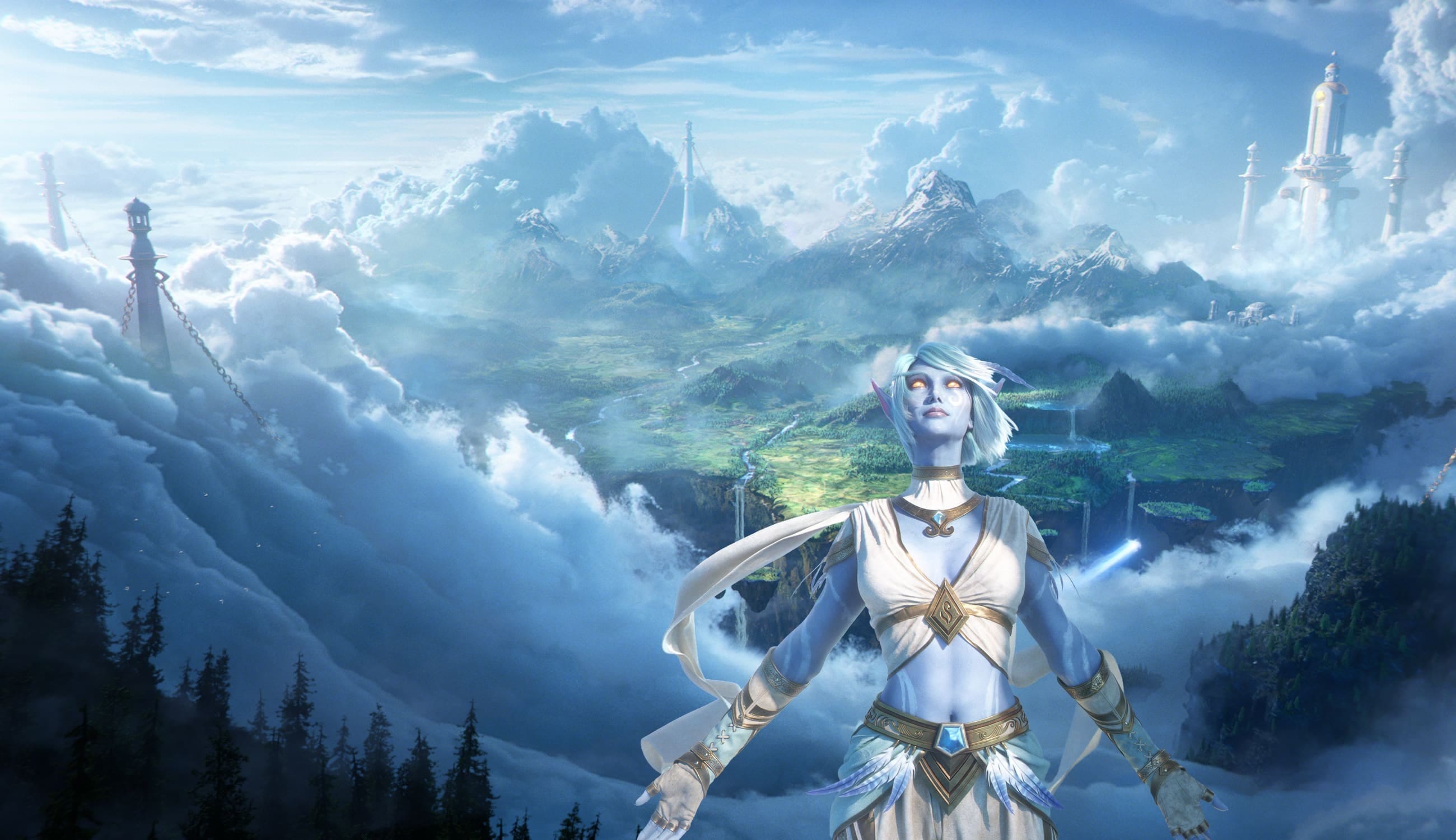
The Skyborne, also called the shen’dorei, are the new playable race. At character creation, players decide whether their Skyborne joins the Horde as a Windshaper, with access to Shaman, or the Alliance as a High-Order Skyborne, with access to Mage. The race has its own introduction on Zephras Isle and architecture inspired by Skywall.
Beyond that, Forever unlocks race-and-class combinations that never existed in the original WoW: Orc Mage, Troll Warlock, Undead Paladin, Human Hunter, Gnome Priest and Dwarf Shaman. Racial abilities were revised as well. It is the kind of change that looks cosmetic and shifts the entire meta, because it alters group compositions, utility and the value of each race in raids.
Dungeons, raids and PvP: the calendar through December
Group content was sized to follow the whole journey. There are nine new five-player dungeons, covering levels 13 through 60, and three level 60 raids opening on December 9: Barrow Deeps, Hyjal Summit and Onyxia’s Lair. The last one requires specific preparation and was detailed by Blizzard in its own guide.
| Content | When | Detail |
|---|---|---|
| Global launch | November 4, 2026 | Available to WoW subscribers |
| Nine dungeons | Since launch | Five players, levels 13 to 60 |
| Raids | December 9, 2026 | Barrow Deeps, Hyjal Summit and Onyxia’s Lair |
| Hardcore ruleset | After launch | No confirmed date |
In PvP, the novelty is the Battle for the Darkspear Islands battleground, 15 versus 15, fought between the Darkspear Raiders and the Theramore Expeditionary Force for control of strategic footholds and a central flag. PvP progression was also rebuilt to give reasons to play throughout the season without losing the competitive spirit of the original WoW.
Lore: branching continuity, Scarlet Enclave and Ashbringer
Forever’s most important decision may not be mechanical. Blizzard chose to treat the game as a branching continuity, not as gap-filling for modern WoW. Lore historian lead Sean Copeland describes the choice as deliberate all the way up the chain, comparing the move to what happened with Hearthstone: the same foundations, its own interpretation.
“There was a period of time where we were just going to put it in the main continuity, and we were ‘just going to do a really good job of not breaking anything on modern WoW.’ I think Chris Metzen and I ran into each other at food trucks on a Thursday, and we just got to talking and we’re like, ‘You know what? We need to split this thing, man, we’re going to create landmines for each other.’”
In practice, that frees the team to revisit characters and places without having to fit everything into the 2026 timeline. Greenfield names Vol’jin and the Ashbringer sword among the threads he wants to pick up, and confirms long-awaited returns: “Scarlet Enclave will return, Ashbringer will return at some point. It might be a while, but that’s going to come back.” He also professes affection for Pained, Jaina Proudmoore’s bodyguard who, he says, “basically does nothing in all of vanilla.”
The villain structure follows that logic. Rather than a central antagonist dominating years of storytelling, the team prefers discrete anchors — Molten Core has not arrived yet, but it will; then Blackwing Lair and Ahn’Qiraj. “We want to focus on those villains that made those places memorable, but also just expand sort of laterally on that and create new villains,” Greenfield explained. Smaller stories were also seeded into low-level content, and the designer admits he reads Wowhead comments to see whether players have connected the dots yet.
The tone, however, is that of 2004. The team talks about preserving the original WoW’s “seriousness,” with occasional humor and levity, and avoids cutscenes and heavily scripted sequences. The character remains “a hero,” not “the hero” — the phrase Greenfield used to explain that the world, not the player’s avatar, should be the center of the story.
Launch: when it arrived and how it went
The global launch took place on November 4, 2026, and Blizzard did not hold back on the numbers. According to the company, Forever delivered the biggest launch in World of Warcraft history by peak concurrent players and the highest number of returning players in the franchise’s history. Executive producer Holly Longdale added that the game attracted “the most new players for a WoW launch in 15 years.”
The developer also called it the smoothest launch in the franchise’s history, which helps explain the performance. The beta had already hinted at the interest: Blizzard had to raise the player cap on test servers more than once to accommodate demand.
For the official material, the launch announcement and the product page are on Blizzard’s site. Specialist coverage, such as the lore podcast discussed by PCGamesN, adds details that do not appear in press releases.
How to play and what comes next
There is no new game to buy: a World of Warcraft subscription or game time already grants access to Forever, Classic and the modern game. Optional digital upgrade packs add cosmetics and items without blocking content. For newcomers, Blizzard’s own recommendation is to start with the Enhanced preset and adjust later — and to pick the Ruleset together with friends, since characters can only group, join guilds, run dungeons and raid within the same Ruleset and faction.
The immediate calendar has three milestones: the December 9 raids, the Hardcore ruleset arriving sometime after launch, and the continuous expansion of the map. Blizzard has already signaled that Forever is a long-term project, with stories seeded at low levels to bloom in endgame content — and that the game will live alongside modern WoW, not in its place.
For readers who just wanted to decode the name: Forever is the “2004 WoW that keeps going,” with level cap 60, an expanded world, a new race and its own narrative. It has been live since November 4, 2026, is included in the existing subscription, and gets its first major raid wave on December 9. Anyone who follows the Blizzard universe can also track how the company has handled other franchises, such as the radical changes to Overwatch and the Call of Duty movie adaptation.
With information from Blizzard Entertainment, PCGamesN, Game Informer and GamesRadar+.
Suggested and related articles
PS3 classic PayDay is becoming a movie: Sonic producer takes on theatrical adaptation
New Friday the 13th: 2027 Release Window Explained
Green Lantern: DC Animated Series Sets 10-Episode Order

Where 'My Best Friend' Was Filmed in Portugal

Real filming locations: where the Netflix series were shot