Is Godzilla Minus Zero a Sequel to Minus One? Yes
Published on · Updated on
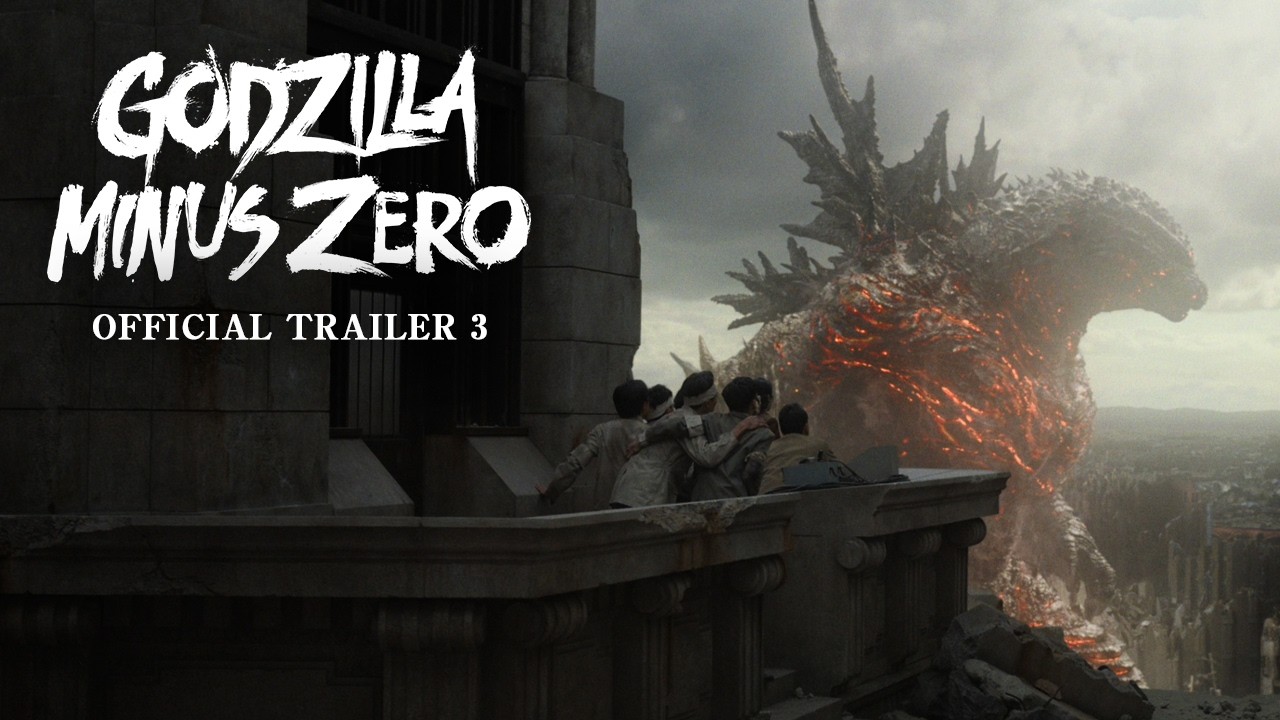
A direct sequel to Godzilla Minus One, the new film is set in 1949. See the full franchise timeline and what to watch before going to the theater.
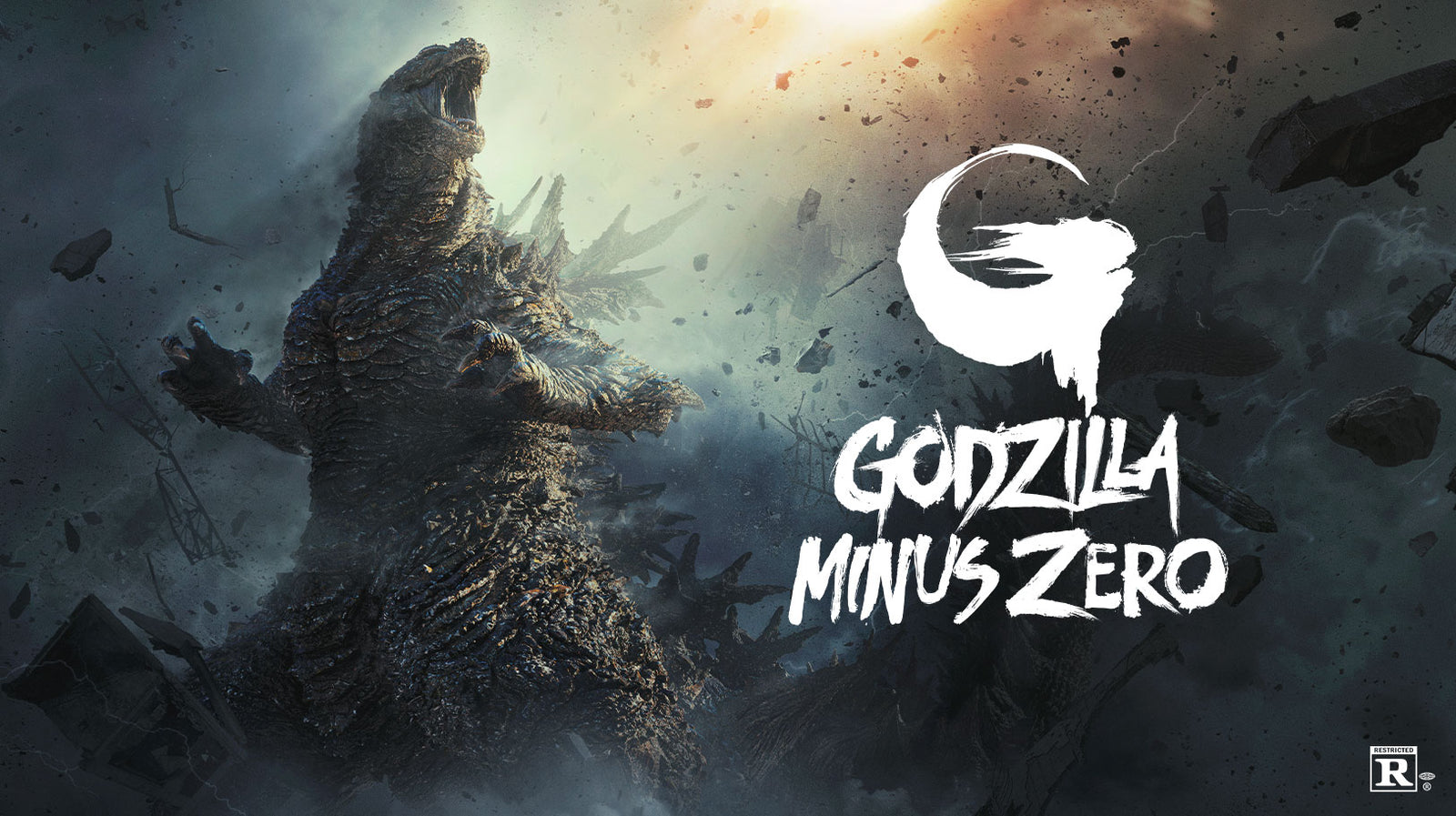
Godzilla Minus Zero is a direct sequel to Godzilla Minus One (2023) — not a reboot, nor a standalone story. Written and directed again by Takashi Yamazaki, the film is set in 1949, two years after the events of the previous movie, and reunites the Shikishima family in a Japan trying to rebuild its daily life. It opened in Japan on November 3, 2026, in Brazil on November 5 and in the United States and Canada on November 6. To follow the story, it helps to have seen Minus One; you do not need to know the more than 30 earlier films in the franchise.
Is Godzilla Minus Zero a direct sequel to Minus One?
Yes, and explicitly so. Minus Zero brings back the same characters, in the same country, with the same director and much of the same crew. The story begins two years after the final battle of Minus One and treats the 2023 film's events as shared memory: the characters mention the Ginza attack, carry the physical and emotional consequences of that episode and discuss what to do with a Godzilla that, after all, was not dead.
This is rare in the franchise. Since 1954, the monster's films tended to restart continuity with each production cycle. The Showa, Heisei and Millennium eras assembled different casts and rarely made a sequel that continued, with the same actors, the story of the previous film. Godzilla Minus Zero is the opposite: an acknowledged second chapter that depends on the first to work fully.
Yamazaki himself said he was not planning a sequel while shooting Minus One. The idea grew from an improvised detail in the 2023 film — the dark mark on Noriko's neck, suggesting an unexplained survival after the Ginza explosion. That gesture became the foundation of the new screenplay.
"While we were shooting Godzilla Minus One, I didn't even think about a possible sequel. I was focused on making a very conclusive bookend. But when we thought about the screenplay and how Noriko survived that blast, we thought that logic didn't make sense."
The result is a continuation that expands the characters' arcs instead of merely repeating the formula. The question left open at the end of Minus One — one the director avoids answering categorically — returns in Minus Zero and leaves room for a third film, although Toho has not officially announced one.
When is it set and where does it fit in the timeline
The action of Godzilla Minus Zero takes place in 1949. Japan tries to recover from the war and the monster's attacks when a new creature, initially described as a winged being able to fire beams from its mouth, attacks Matsumoto. At the same time, Godzilla completes his regeneration on the ocean floor. The film's conflict grows out of that unlikely meeting of reconstruction and catastrophe.
Important: this timeline is its own continuity, created by Yamazaki. It does not connect to Ishirō Honda's 1954 Godzilla, nor to Shin Godzilla (2016), nor to the Japanese animated trilogy of the 2010s, nor to Warner and Legendary's American MonsterVerse. They are parallel universes that use the same character under different rules.
The Reiwa era timeline
- 2016 — Shin Godzilla: a standalone reinvention, with a bureaucratic tone and a critique of the Japanese government's crisis management.
- 2017 to 2018 — anime trilogy: Planet of the Monsters, City on the Edge of Battle and The Planet Eater, set in a post-apocalyptic future.
- 1945 to 1947 — Godzilla Minus One: the immediate postwar period and the monster's first appearance in this continuity.
- 1949 — Godzilla Minus Zero: two years later, with the return of the Shikishima family and the arrival of a new threat.
For anyone who just wants to understand the new film, the required order has two titles: Minus One and then Minus Zero. Everything else is supplementary — interesting for fans, dispensable for newcomers.
Do I need to have seen Godzilla Minus One first?
Technically, you can watch Minus Zero without having seen the previous one: the screenplay explains the essentials and each scene works on its own. In practice, the experience loses a lot. The film relies on the emotional bond built in 2023 and treats the family formed by Kōichi, Noriko and Akiko as the heart of the story. Without that context, viewers understand what happens but do not feel the weight of what is at stake.
Godzilla Minus One follows Kōichi Shikishima, a kamikaze pilot who survives the war carrying the guilt of not having completed his mission. In a devastated Japan, he meets Noriko and little Akiko and forms an improvised family while Godzilla ravages the country. Naval engineer Kenji Noda leads the operation to stop it. The film won the Oscar for Best Visual Effects in 2024 and grossed about US$116 million worldwide.
What to remember before entering the theater
- Kōichi and guilt: the protagonist survived the war and spent the whole film questioning whether he had the right to be alive. In Minus Zero, he is a married father, but the trauma is still there.
- Noriko survived — with a mark: she was hit in Ginza and reappears alive in the finale, with a dark change on her neck. It is the clue the new film develops.
- Noda and science as hope: Hidetaka Yoshioka's character commanded the operation against the monster and returns in a leadership position.
- Godzilla sank, but did not die: the ending suggests regeneration. Minus Zero confirms the suspicion in its first acts.
There is a practical incentive for the marathon: according to JustWatch, Minus One became the most-watched film on streaming platforms in the week the new chapter opened, a move by people who decided to catch up before going to the movies. The 2023 film is available on digital rental services and on some streaming catalogs, but availability varies by country and period.
What is not necessary: knowing the 1954 Godzilla, the Showa era films, the Heisei phase, the Millennium titles or the MonsterVerse movies. None of that is a prerequisite for Minus Zero. Those who want to check out the Hollywood side of the franchise can follow the series Monarch: Legacy of Monsters, which belongs to another continuity.
Who returns in the cast — and who is the new threat
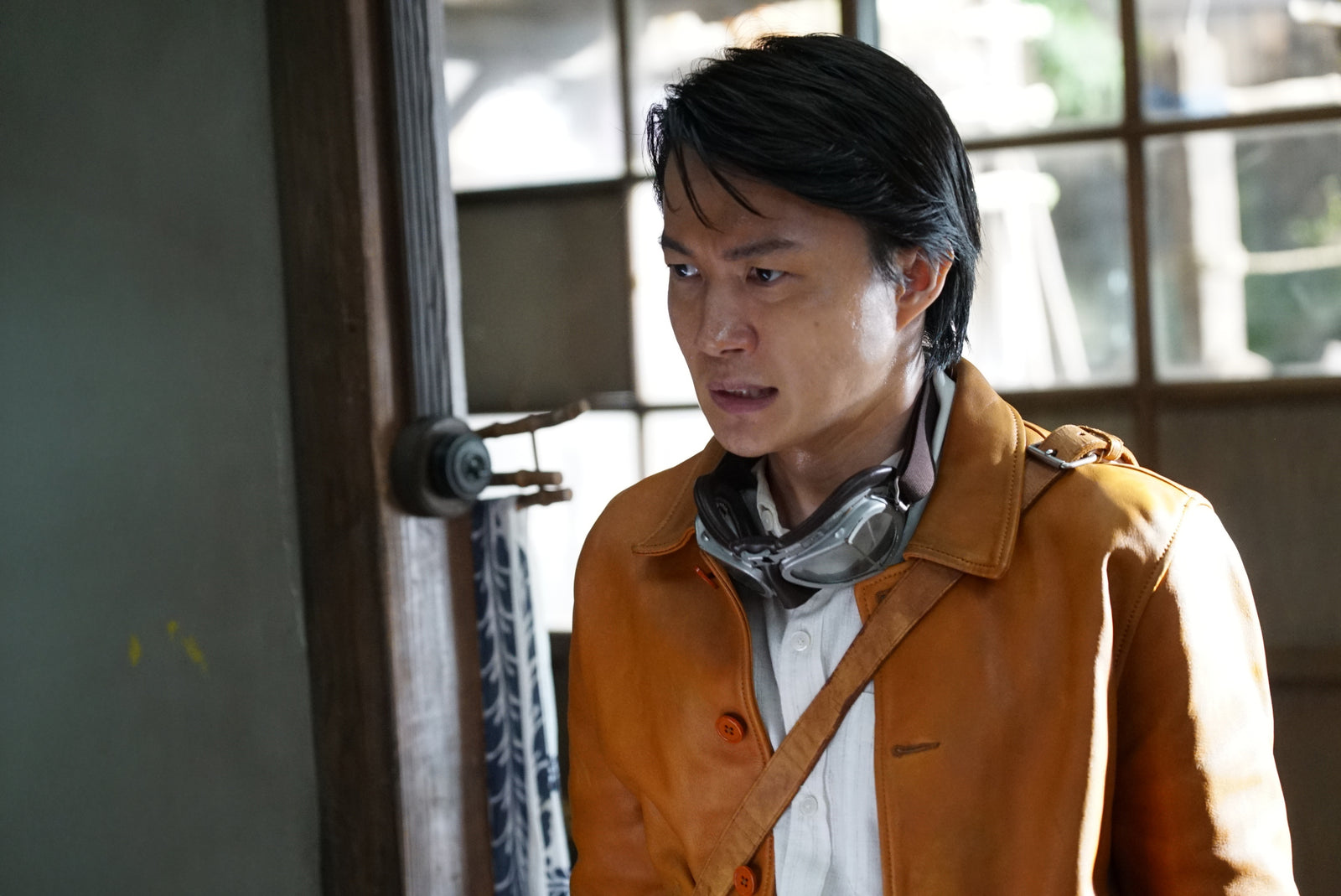
The main cast returns almost entirely, reinforcing the sequel's character. Ryunosuke Kamiki and Minami Hamabe return as Kōichi and Noriko; Hidetaka Yoshioka takes up Kenji Noda again; Sae Nagatani plays Akiko, now five years old; Yuki Yamada, Kuranosuke Sasaki, Sakura Ando and Miou Tanaka also return. On the new side, Min Tanaka plays scientist Kanji Murakami, a Hiroshima bombing survivor, and Masami Nagasawa plays meteorologist Makoto Aoyama.
| Actor | Character | Was in Minus One? |
|---|---|---|
| Ryunosuke Kamiki | Kōichi Shikishima | Yes |
| Minami Hamabe | Noriko Shikishima | Yes |
| Hidetaka Yoshioka | Kenji Noda | Yes |
| Sae Nagatani | Akiko | Yes |
| Min Tanaka | Kanji Murakami | No |
| Masami Nagasawa | Makoto Aoyama | No |
The film's big novelty is King Ghidorah, one of the franchise's most traditional villains, first introduced in 1964 in the film where he faced Godzilla, Rodan and Mothra. Here, the three-headed monster gets his own origin: he arrives on Earth inside a meteorite, as a gelatinous organism that consumes local wildlife and takes the form of a dragon. The trailer released in September already showed the character, but the production kept details of his role in the plot under wraps.
Box office and reception: the franchise's biggest launch
The opening was the strongest in the history of Japanese Godzilla. According to the Associated Press, the film grossed US$31.6 million in the United States and Canada in its opening weekend, a record for a live-action foreign-language film in the North American market. In Japan, the first day brought in ¥910 million, also a record for a live-action production in the country and more than double Minus One's opening.
| Indicator | Result |
|---|---|
| Worldwide opening | US$63 million |
| United States and Canada | US$31.6 million (record for a foreign live-action film) |
| IMAX | US$21.3 million, biggest global opening for a Japanese film in the format |
| Worldwide total | About US$105 million through the second weekend |
| Estimated budget | Between US$13 million and US$18 million |
"This historic opening shows how deeply audiences around the world connect with Godzilla and with Takashi Yamazaki's vision. Our first near-simultaneous global release was built on that belief."
Critical reception matched the commercial performance. The film premiered at the New York Film Festival in September and reached theaters with around 90% approval on Rotten Tomatoes and an "A" CinemaScore, an indication of above-average satisfaction for the genre. Minus Zero is also the first Japanese production filmed specifically for IMAX, a format that accounted for 34% of the worldwide box office in the first week.

The performance puts the film on track to surpass the US$116 million grossed by Minus One — which, in 2023, cost less than US$15 million and became the highest-grossing Japanese live-action film in the United States. On November 16, Toho reported that Minus Zero had already passed ¥4 billion in Japan, with 2.5 million admissions in 13 days.
The franchise in four eras: which order to follow
If the question is where to start, the answer depends on the kind of marathon. The Japanese franchise is organized into production eras, and each one restarts continuity — which frees viewers from watching everything in sequence. The American MonsterVerse is a separate franchise, with Godzilla and King Kong in the same universe.
| Era | Period | Where to start |
|---|---|---|
| Showa | 1954–1975 | Godzilla (1954), Ishirō Honda's original |
| Heisei | 1984–1995 | The Return of Godzilla (1984) |
| Millennium | 1999–2004 | Godzilla 2000 (1999) |
| Reiwa | 2016–present | Shin Godzilla or Minus One |
| MonsterVerse | 2014–present | Godzilla (2014), by Gareth Edwards |
For those who arrived now because of Minus Zero, the shortest path is Minus One and then the new film. Anyone who wants to understand the Japanese franchise in depth can follow the release order within each era, without mixing continuities. MonsterVerse fans, meanwhile, have a date marked: Godzilla x Kong: Supernova opens in theaters in March 2027, in another narrative line. The franchise also appears in comics and spin-offs such as the Monarch series.
Is it worth catching up now?
Yes. Godzilla Minus Zero was designed to be seen on the big screen, and the IMAX version is the most recommended for those who want to feel the impact of the destruction scenes. The film has been playing in Brazilian theaters since November 5, with screenings at chains such as UCI, Cinemais and independent venues — scheduling varies by city and should be checked on each exhibitor's official channels.
For those who have not seen the previous one, the recommendation is simple: watch Minus One first, even at home. The new film was built as a second chapter, and the difference between understanding the plot and getting involved in it lies precisely in what the 2023 film planted.
There is no announced streaming release date for Minus Zero as of this article's publication. Toho and GKIDS focused the release on movie theaters, a strategy that gave the production the biggest opening weekend for a live-action foreign-language film in North America. For kaiju fans, it is the kind of film that justifies a trip to the cinema — and, for newcomers, more than enough of a gateway into the franchise that turns 72 in 2026.
Also read our coverage of Kaylee Hottle and the Godzilla x Kong franchise and follow the cinema releases in the Movies section.