Hokum: 2026 Psychological Horror Dominates Streaming
Published on · Updated on
Holding a 90% Rotten Tomatoes score, the chilling thriller starring Adam Scott blends missing-person mystery and psychological dread on streaming charts.
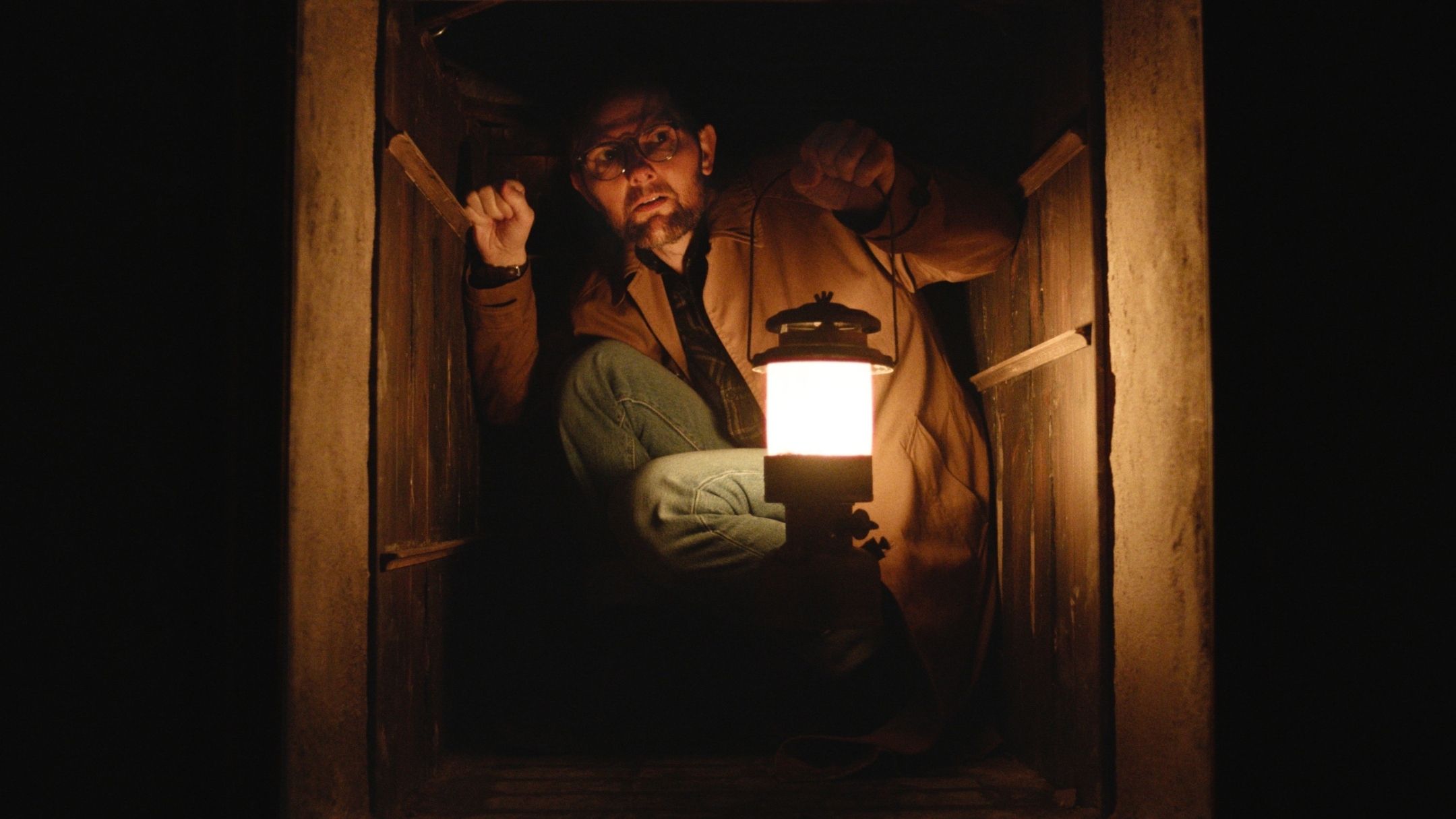
In a year highlighted by massive box-office blockbusters, one of the most haunting and deeply layered psychological horror films of 2026 quietly won over international critics before surging to the top of streaming charts. Distributed by independent powerhouse Neon, Hokum stars Adam Scott (the acclaimed lead of the hit series Severance) in a career-defining performance. Premiering in early May just ahead of summer horror hit Obsession, the picture holds a Certified Fresh 90% Rotten Tomatoes rating and is currently dominating viewership on Hulu and international platforms, providing fresh momentum for high-end cinematic productions.
Directed with surgical precision to generate claustrophobia, the film flips traditional haunted-house tropes by embedding dread within the damp, fog-drenched expanses of rural Ireland. By avoiding cheap jump scares in favor of mounting psychological dread and the terrifying unraveling of human sanity, the piece analyzed by CBR is being hailed as a modern horror benchmark, connecting directly with cinephiles tracking notable film releases.
An Unconventional Lead: Embracing an Unlikable Protagonist
At the center of Hokum is Ohm Bauman (Adam Scott), an acclaimed American author visiting a secluded, run-down Irish country inn known as The Bilberry Woods Hotel. The property was a cherished destination for his late parents, and Ohm travels there with the solemn intention of scattering their ashes. Yet from the opening sequence, the movie makes a remarkably bold creative gamble: Ohm is deliberately written as cold, arrogant, dismissive, and thoroughly unlikable.
Rather than relying on immediate audience sympathy, the story presents a protagonist who snubs admiring readers and pushes away hospitality. Such a direction carries serious narrative risks, as horror conventions typically rely on protagonist likability to anchor viewer investment. However, Adam Scott's magnetic screen presence and the layered unveiling of his profound trauma keep audiences riveted:
"Refusing to soften the abrasive edges of a deeply broken man turns Ohm into a mesmerizing anchor: viewers don't need to agree with him to feel hopelessly trapped inside his mental downward spiral."
Shortly after checking in, the crushing weight of severe depression and unresolved post-traumatic stress culminates in a desperate suicide attempt in his suite. He is saved just in time by Fiona, a compassionate local bartender with whom he shared a rare candid moment. Yet any possibility of personal healing is violently derailed when Fiona vanishes without a trace during the inn's annual Halloween gathering.
The Honeymoon Suite and the Legend of the Bilberry Witch
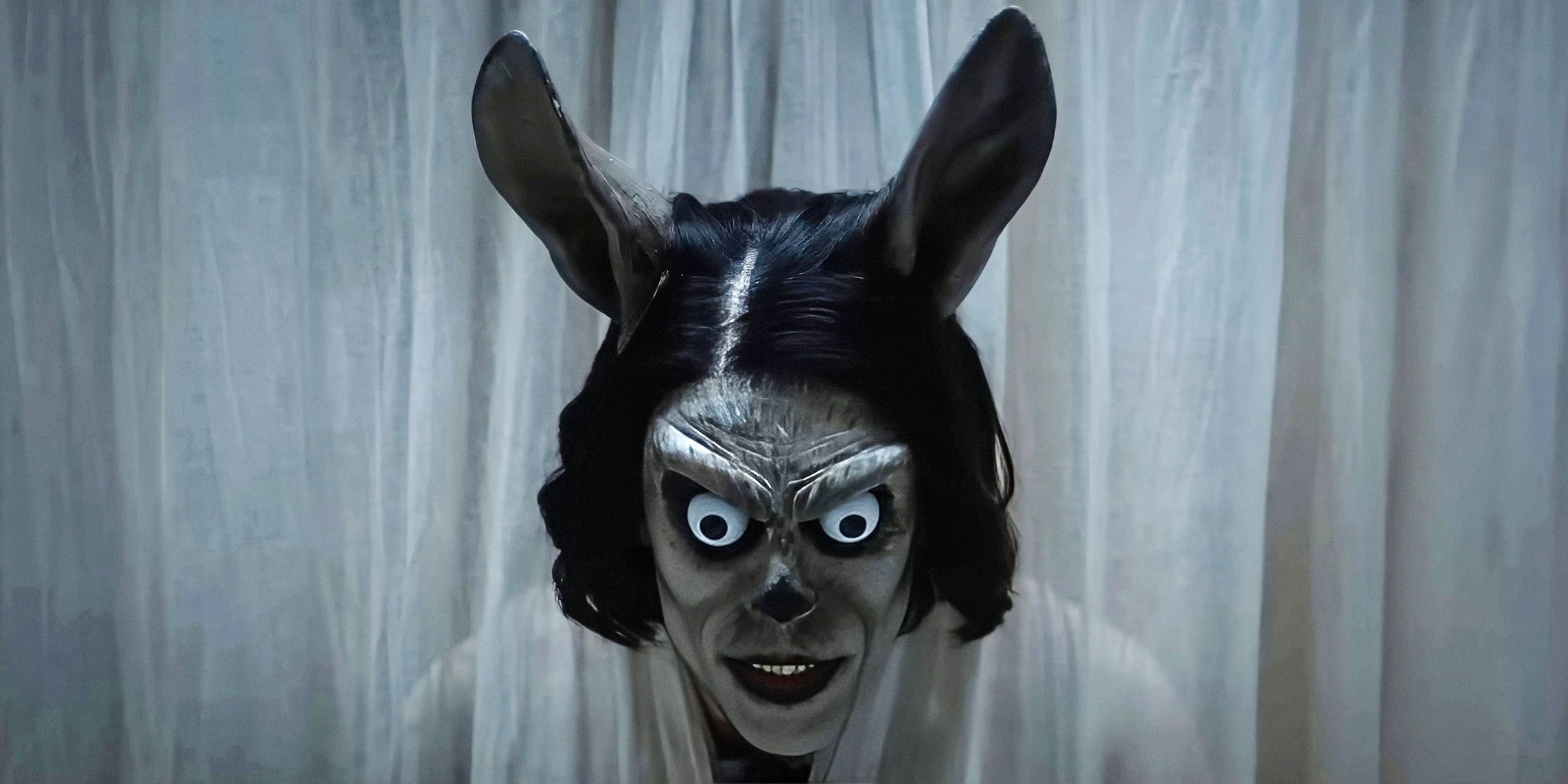
Fuelled by a volatile mix of guilt and manic determination, Ohm launches an unsanctioned investigation across the eerie hallways of the inn. His search leads him straight to the hotel's long-abandoned honeymoon suite, kept strictly off-limits to guests. According to local folklore, the room harbors the malevolent spirit of a witch, padlocked shut to safeguard patrons and hotel employees alike.
Here, Hokum reaches peak thematic resonance by intertwining a genuine missing-person mystery with an authentic supernatural threat. The film carefully presents two plausible paths: Fiona may have fallen prey to foul play by devious staff members, or she might have become the witch's latest victim. While offering tangible narrative milestones, the film never fully confirms whether the terrifying occurrences are genuine paranormal events or the product of mushroom-induced hallucinations originating from damp fungal growths in the decrepit estate.
The Unreliable Narrator and the Breakdown of Reason
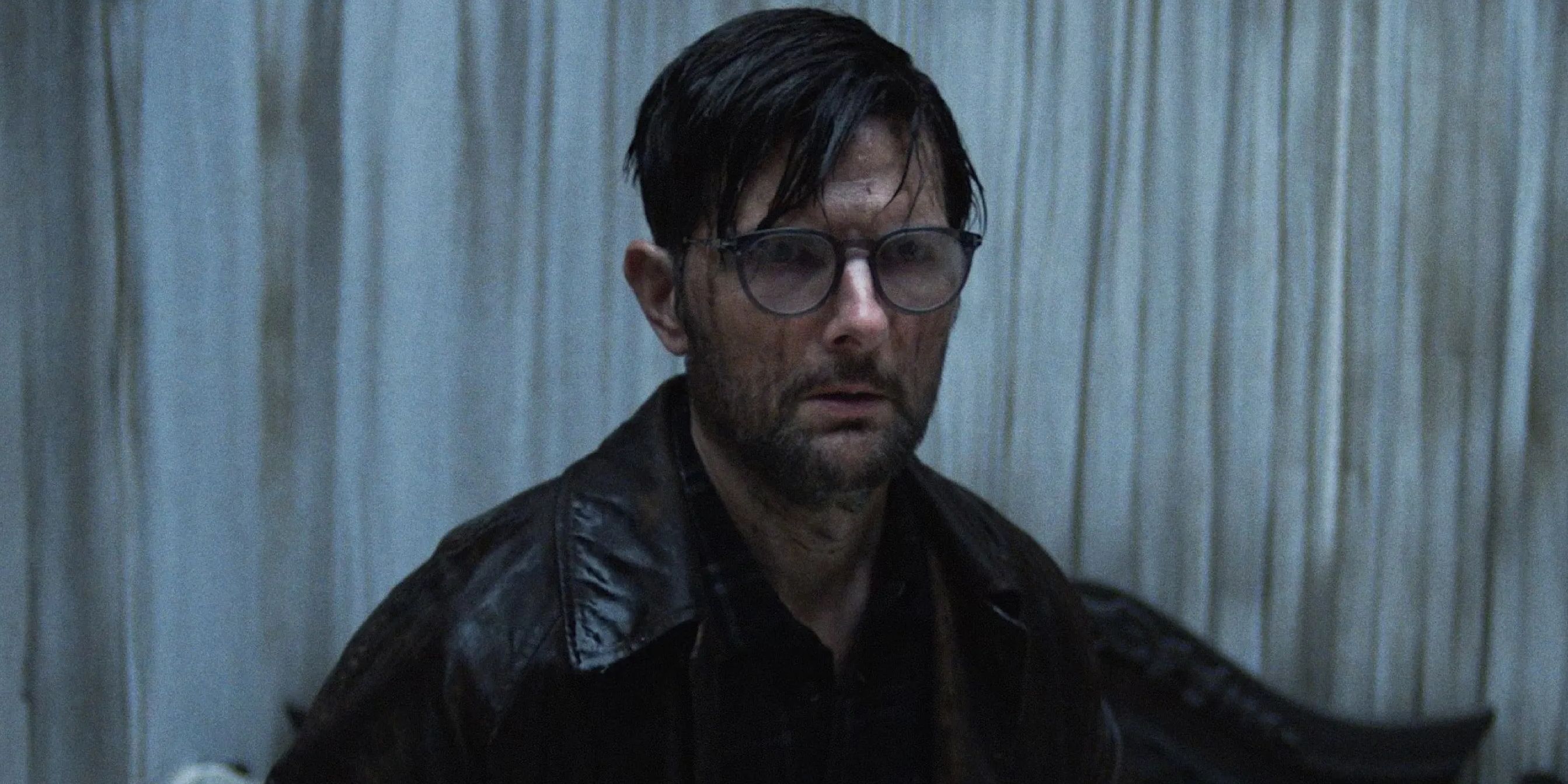
The brilliance of Hokum lies in its seamless mastery of the unreliable narrator. Ohm Bauman is established as an uncompromising skeptic, an intellectual accustomed to debunking irrational beliefs through empirical inquiry. Yet his mind is visibly eroded by survivor's guilt and persistent auditory hallucinations, rendering every sensory impression questionable. Viewers find themselves analyzing every creak in the floorboards and every distorted reflection in the mirrors alongside him.
The geographic setting intensifies this overwhelming feeling of desolation. Enveloped in the late-autumn dampness of rural Ireland, with relentless rainfall, mist-blanketed woods, and barren landscapes, the hotel becomes an inescapable fortress. There is no reliable cellular reception or straightforward route home, transforming the exterior landscape into an unsettling mirror of Ohm's fractured psyche.
Echoes of '1408' and 'The Shining'
Critics and genre enthusiasts have noted striking parallels between Hokum and landmark hotel horrors, most notably Stephen King's 1408 and Stanley Kubrick's timeless masterpiece The Shining. In 1408, a professional debunker enters an infamous hotel room only to be trapped by an entity that weaponizes his traumatic past. In Hokum, Ohm's dynamic with The Bilberry Woods operates under a similarly sinister mechanism, turning his parents' legacy into an emotional crucible.
Meanwhile, the parallel to The Shining rests in the methodical breakdown of sanity. Just as Jack Torrance's mind fractured under the winter isolation of the Overlook Hotel, Ohm experiences a gradual collapse where intellectual skepticism surrenders to raw dread:
| Film Title | Release & Distribution | Protagonist Archetype | Core Psychological Theme | Critical Score |
|---|---|---|---|---|
| Hokum | 2026 (Neon / Hulu) | Ohm Bauman (Adam Scott) – Skeptical author | Unresolved grief, suicidal ideation, and guilt | 90% Rotten Tomatoes |
| 1408 | 2007 (MGM / Dimension) | Mike Enslin (John Cusack) – Skeptical debunker | Loss of a child, aggressive cynicism, and isolation | 79% Rotten Tomatoes |
| The Shining | 1980 (Warner Bros.) | Jack Torrance (Jack Nicholson) – Struggling writer | Alcoholism, cabin fever, and violent breakdown | 83% Rotten Tomatoes |
A Modern Psychological Masterpiece Reclaimed
While crowded theatrical windows briefly overshadowed Hokum behind massive blockbusters like Obsession and viral sensation Backrooms, home streaming has given the film the dedicated platform it deserves. Its measured pacing, meticulous sound design, and claustrophobic framing reward observant viewers attuned to background visual cues and atmospheric storytelling.
By pairing Adam Scott's ferocious commitment with an uncompromising examination of grief and guilt, the film elevates beyond conventional haunted hotel fare. For audiences seeking mature horror that respects viewer intellect and refuses simplistic resolutions, Hokum firmly cements its status as one of 2026's defining genre triumphs.
Suggested and related articles
Project Power: the pill that grants five minutes of power
Dune 3 Popcorn Bucket Returns With Wild Double Maw Upgrade
Return of the King: Aragorn's Best Quote in Movie History

Wicker Review: Olivia Colman in an Eccentric Fairy Tale

Chance the Rapper names his favorite film of 2026