Camp Cretaceous Outshines Jurassic World Franchise Films
Published on · Updated on
Featuring Jenna Ortega and Glen Powell, Netflix's animated hit delivers character arcs and storytelling that surpass the modern live-action dinosaur films.
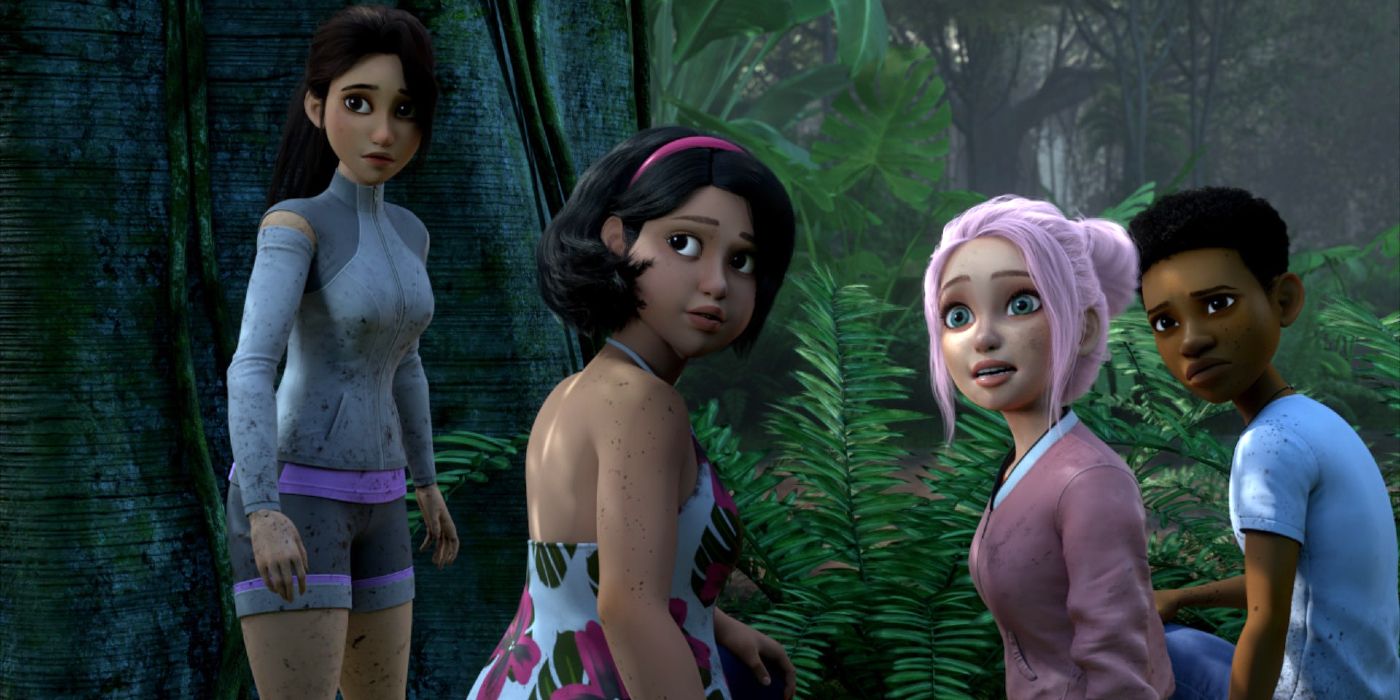
More than three decades after Steven Spielberg's landmark 1993 masterpiece redefined cinema history, the world's most iconic dinosaur franchise continues striving to recapture its original magic. Yet, its most compelling storytelling evolution did not emerge from Hollywood's multi-million-dollar film sets, but through the serialized medium of episodic streaming. Streaming worldwide on Netflix through a collaboration between DreamWorks Animation and Universal Pictures, the 3D animated series Jurassic World: Camp Cretaceous managed to outperform the live-action Jurassic World film trilogy in narrative cohesion, character resonance, and suspenseful pacing across its five-season run and its direct follow-up series Jurassic World: Chaos Theory. Powered by top-tier voice performances from Jenna Ortega and Glen Powell, the show proves that high-concept animation often provides a far richer canvas than bloated box-office blockbusters.
While Colin Trevorrow and J.A. Bayona's live-action films achieved undeniable commercial triumph across the global box office, they faced consistent criticism for thin character development, clunky exposition, and overreliance on legacy nostalgia. Conversely, within the realm of serialized series and streaming, the journey of the campers known as the "Nublar Six" built profound bonds of survival, emotional vulnerability, and authentic maturity that the live-action leads Owen Grady (Chris Pratt) and Claire Dearing (Bryce Dallas Howard) rarely matched.
The visual liberation of stylized animation over photorealistic CGI constraints
As highlighted in an in-depth retrospective published by Comic Book Resources (CBR), one of the greatest strengths of 3D animation lies in its ability to bypass the severe budgetary and logistical bottlenecks inherent to live-action visual effects. In standard feature films, the staggering expense of rendering photorealistic prehistoric fauna alongside human actors frequently forces filmmakers to ration creature appearances, relegating dinosaur encounters to quick jump scares, dark set pieces, or rushed third-act set pieces.
In Camp Cretaceous, DreamWorks Animation harnessed a stylized yet richly detailed aesthetic, emphasizing environmental atmospheric lighting, lush vegetation, and tactile texture. This choice allowed the creative team to preserve the scale and intimidating anatomy established by the theatrical films, while granting the freedom to stage expansive daylight pursuits, dynamic multi-species territorial skirmishes, and intricate survival encounters across forgotten park sectors.
Through fluid digital camerawork and atmospheric particle effects, the animators effectively revived the genuine psychological horror that defined Spielberg's 1993 original. Classic sequences that terrified audiences decades ago — such as the claustrophobic velociraptor standoff inside the visitor center kitchen — found contemporary echoes in underground maintenance utility tunnels, dense mangrove bayous, and decaying laboratory corridors across Isla Nublar.
The 'Nublar Six': genuine emotional stakes and transformative character arcs
The definitive weakness of the modern Jurassic World theatrical entries was the emotional superficiality of their human protagonists. Even with the welcome return of veteran legacy stars Sam Neill, Laura Dern, and Jeff Goldblum in Jurassic World Dominion, character motivations remained anchored to conventional disaster-movie archetypes, offering little meaningful internal change across three full-length features.
In stark contrast, the six teenagers stranded during the 2015 Isla Nublar disaster were afforded 49 full episodes in the flagship series, accompanied by subsequent chapters in Chaos Theory, to mature organically. Darius Bowman, Brooklynn, Kenji Kon, Sammy Gutierrez, Yasmina "Yaz" Fadoula, and Ben Pincus begin as recognizable youth archetypes, but the sudden collapse of park security rapidly dismantles their illusions.
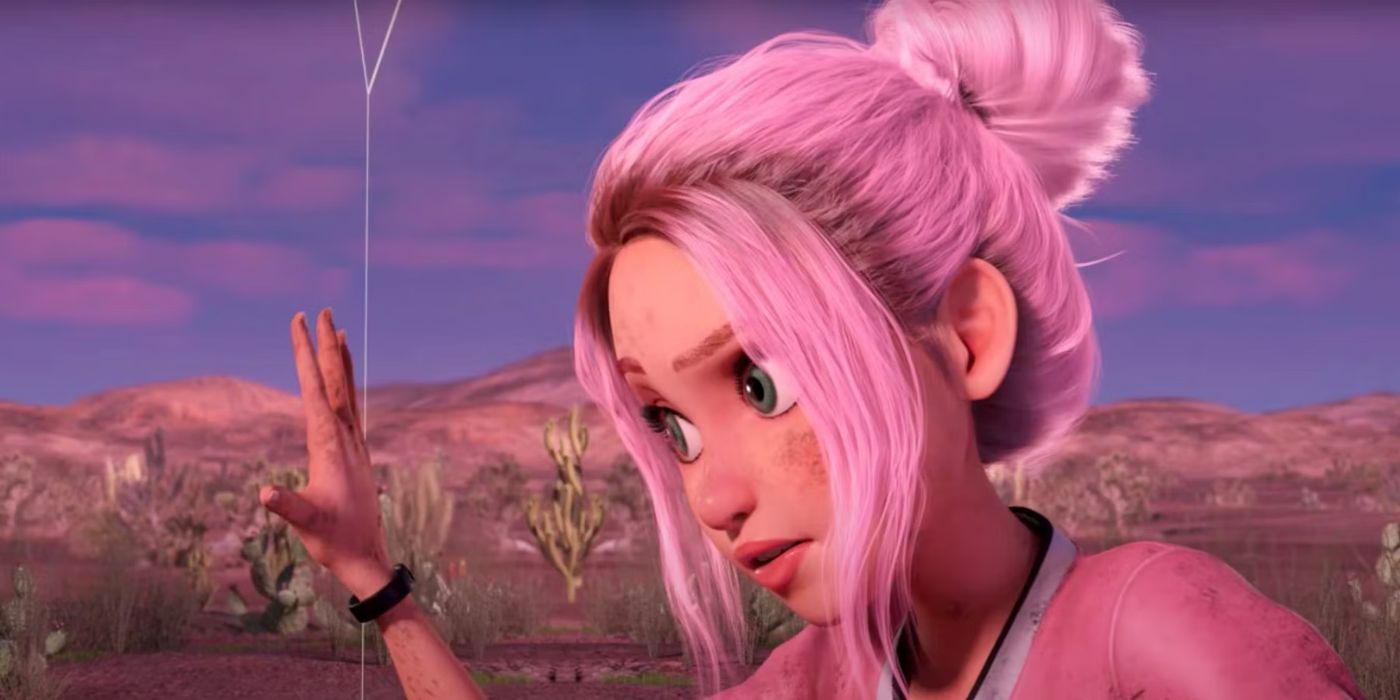
Prolonged isolation and constant peril foster authentic psychological consequences. Ben experiences severe trauma following a near-fatal fall from the monorail, evolving from a fragile hypochondriac into a resilient wilderness survivor; Yaz navigates severe post-traumatic stress after physical injuries threaten her athletic aspirations; Sammy bears the moral weight of industrial espionage forced upon her to shield her family's ranch; and Brooklynn matures from a social-media influencer into a tenacious investigative journalist determined to expose corporate malfeasance.
"By following these teenagers through multiple seasons of survival, grief, and institutional betrayal, the audience develops a profound emotional investment that modern blockbusters rarely achieve in a two-hour running time."
This emotional continuity yields significant dividends. When the characters reunite as young adults in Chaos Theory, their past experiences carry narrative weight, shaping their instincts and interpersonal friction rather than being discarded for the next action set piece — mirroring the compelling character-driven continuity seen across prestigious television sagas like the Yellowstone expanded universe.
An all-star vocal ensemble committed to authentic representation
Rather than treating an animated spin-off as secondary programming for casual viewers, DreamWorks and Netflix assembled an exceptional voice cast that elevated every scene. Jenna Ortega (now an international phenomenon following Wednesday and Scream) imbued Brooklynn with sharp wit, vulnerability, and intellectual curiosity, turning what could have been a superficial caricature into the moral center of the ensemble.
Meanwhile, Glen Powell (celebrated lead of Top Gun: Maverick and Twisters) brought effervescent charm, comedic warmth, and genuine protectiveness to counselor Dave, alongside stellar contributions from Jameela Jamil (as Roxie), Paul-Mikél Williams (anchoring Darius Bowman with boundless heart), Ryan Potter, Raini Rodriguez, Sean Giambrone, and Stephanie Beatriz. Guest performances by Bradley Whitford and Haley Joel Osment further deepened the menace of corporate adversaries.
The series also broke essential ground in authentic cultural diversity for the Jurassic franchise. Featuring characters of Black, Hispanic, Asian, and Muslim heritages, the narrative integrated their family traditions and personal backgrounds seamlessly into the survival dynamic. Furthermore, the organic development of the romantic relationship between Yaz and Sammy in Season 5 received widespread acclaim from critics and audiences alike, demonstrating an inclusive storytelling maturity that Hollywood's tentpole screenplays have frequently overlooked.
High-concept sci-fi storylines uniquely tailored for serialized animation
The cinematic franchise has long struggled with expanding Michael Crichton's genetic warning beyond the recurring loop of theme park breakouts. When 2018's Jurassic World: Fallen Kingdom introduced human cloning through Maisie Lockwood, many casual filmgoers felt the concept clashed jarringly with the established tone of the live-action films.
In contrast, the animated canvas allowed writers to embrace bold speculative science fiction without breaking audience suspension of disbelief. The introduction of Mantah Corp's island facility introduced autonomous robotic surveillance hounds (BRADs and BRAD-Xs), biofeedback neural control devices, and biome-engineered subterranean climate domes. Because the medium was animation, these sci-fi innovations felt thrilling and stylistically cohesive, whereas they would have riskily appeared excessive or campy inside a $200 million live-action feature starring traditional actors.
| Comparative Metric | Live-Action Movie Trilogy | Camp Cretaceous (Netflix Series) |
|---|---|---|
| Storytelling Screen Time | Roughly 6 total hours across three movies | Over 18 hours of continuous serialized narrative |
| Character Evolution | Static archetypes focused on action beats | Multi-stage emotional growth and trauma coping |
| Visual Pacing & Tension | Rationed CGI encounters due to high VFX cost | Unrestricted daylight set pieces and atmospheric lighting |
| Franchise World-Building | Episodic disaster events with limited lore expansion | Deep exploration of InGen and BioSyn corporate lore |
A definitive legacy for the future of the dinosaur franchise
By running parallel to the catastrophic Indominus rex escape in 2015 and establishing the covert technological roots that BioSyn later leveraged in Dominion, Camp Cretaceous transformed into an indispensable pillar of modern Jurassic canon. The strategic integration of established figures like geneticist Dr. Henry Wu (BD Wong) and black-market broker Soyona Santos tied the narrative tapestry together with admirable narrative precision.
As Universal Pictures prepares a fresh theatrical era helmed by director Gareth Edwards, the creative triumph established by Jenna Ortega and her fellow voice cast remains impossible to ignore. For audiences wishing to experience the full saga firsthand, all seasons are currently streaming via the official Jurassic World: Camp Cretaceous page on Netflix, cementing its status as one of modern animation's most rewarding survival odysseys.
Suggested and related articles
Dutton Ranch connects 4 Yellowstone shows in 90 seconds
Rings of Power: Balrog Speaks for First Time in 25 Years
Netflix Unveils Pride and Prejudice Trailer
Minimum Wage turns a pizza shop into a Netflix hit
Noah Wyle Explains Why He Signs Kids' Autographs