The Seinfeld Line That Still Resonates 33 Years Later
Published on · Updated on
George Costanza repeated a phrase in “The Outing” to soften a risky joke; writer Larry Charles later explained how it changed the scene’s tone and impact.
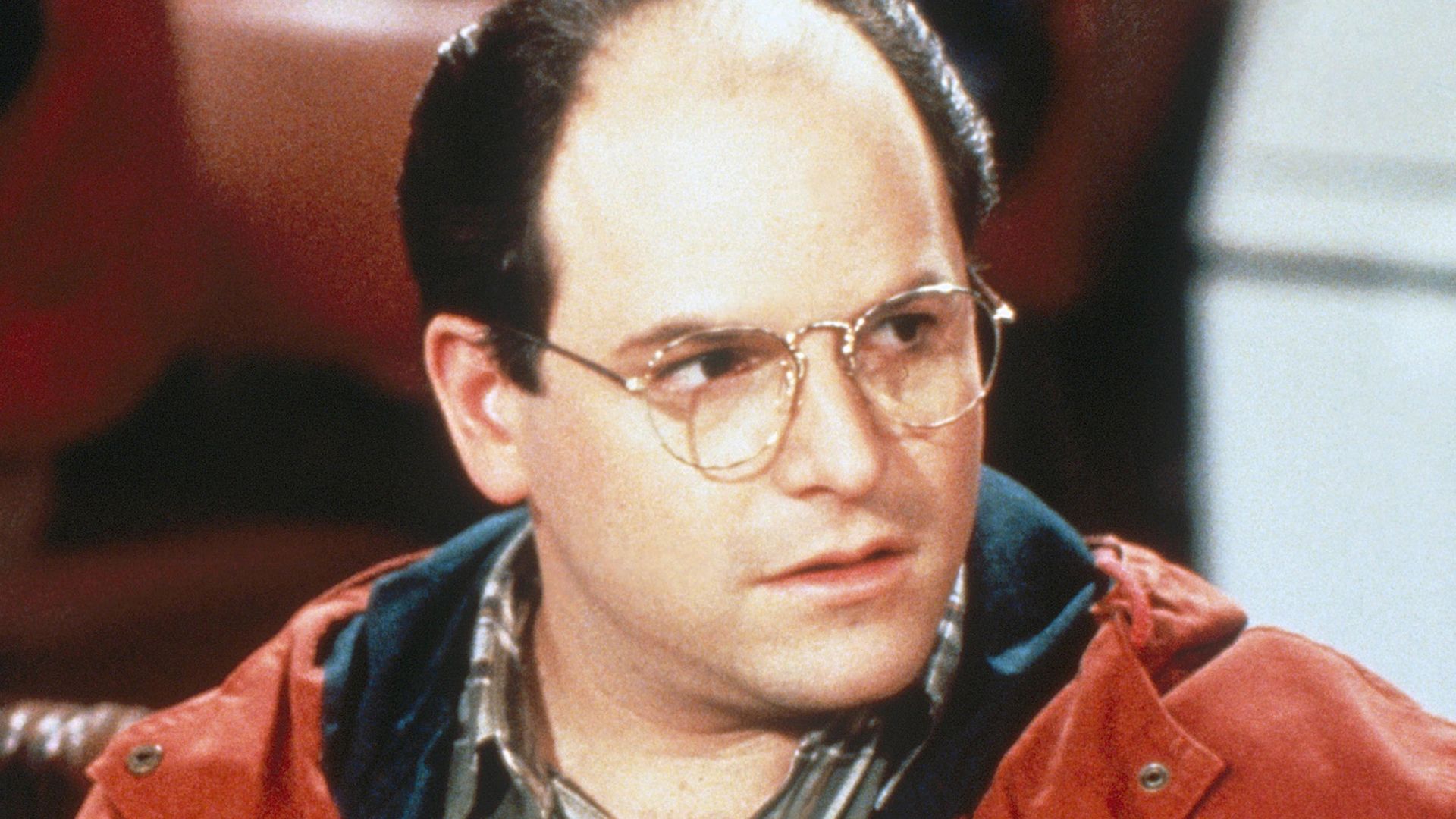
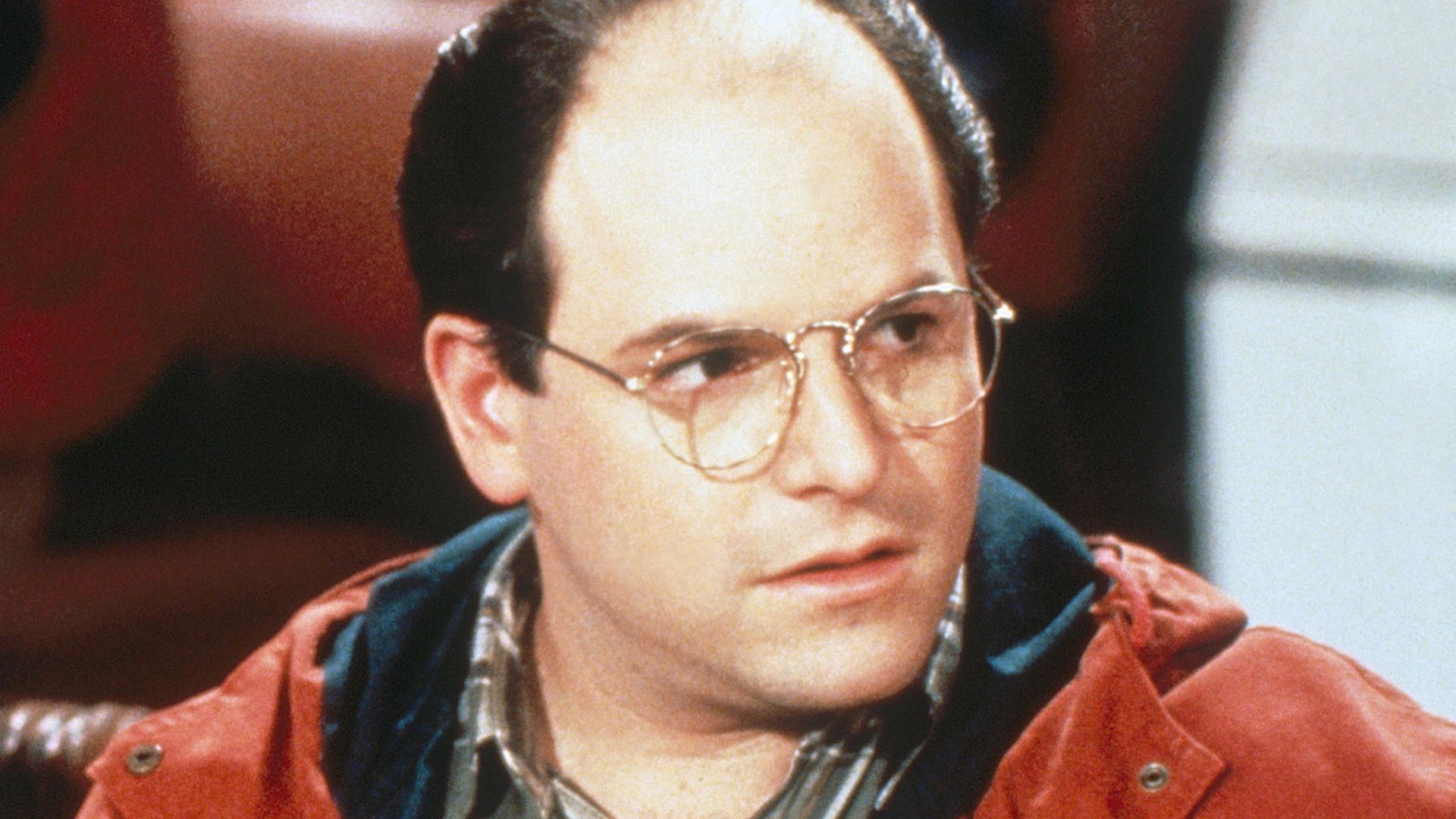
In “The Outing,” a 1993 episode of Seinfeld, a college reporter mistakes Jerry Seinfeld and George Costanza’s friendship for a romance. The characters’ reply — “not that there’s anything wrong with that” — became one of the show’s best-known lines and is still recalled 33 years later. Writer Larry Charles told NPR that the phrase was strengthened to keep the story from seeming homophobic; its repetition became a central part of the joke.
The line was designed to change the episode’s tone
The phrase did not begin as a ready-made catchphrase. Charles told NPR’s Fresh Air that the television network was initially nervous about a storyline involving homosexuality. The script for “The Outing” had been pitched the previous season, but the subject was still considered a risky choice for American prime-time comedy.
A CBR feature recounts that the cast’s first read-through made the premise sound as though homosexuality itself might be the target. Charles’s Fresh Air interview confirms the network’s concern and explains the writers’ solution. In a discussion with Jerry Seinfeld and Larry David, the writers came up with the qualification “not that there’s anything wrong with that.” Charles said it appeared only a few times at first; Jerry and David saw that repeating it throughout the story could turn it into a comic refrain.
“We didn’t want it to seem homophobic.”
Repetition does not remove the scene’s ambiguity, but it changes where the humor lands. The comedy comes from Jerry and George’s exaggerated discomfort at being seen as a couple, paired with their insistence that there would be nothing wrong if they were one. The mechanism exposes a contradiction: the characters say they accept gay people, yet become anxious when the assumption applies to them.
The misunderstanding puts Jerry and George at the center
In “The Outing,” the college reporter overhears part of the men’s conversation at a restaurant and assumes they are a couple. Later, when she sees them again at Jerry’s apartment, she reads everyday gestures as signs of intimacy. The story she publishes spreads the misunderstanding, and the friends try to correct it while worrying about how their denial will sound.
This is key to understanding why the episode still prompts debate. It does not give LGBTQ+ characters independent stories; it follows two fictional straight men who are worried about a rumor concerning their sexuality. The episode uses that anxiety to build a comedy. At the same time, the phrase they repeat makes explicit that being gay should not be treated as an insult or a source of shame.
The line gains force because each character adapts it to his own fear of seeming prejudiced. The insistence escalates: the disclaimer that is supposed to close the conversation keeps returning and draws even more attention to itself. Instead of a solemn declaration, “not that there’s anything wrong with that” becomes a self-aware comment on the limits of public conversation at the time.
Why the phrase mattered in the 1990s
Charles recalled that, in the early 1990s, stories about homosexuality were uncommon on broadcast television and often met resistance from executives. The writer said the team wanted to address the subject without reinforcing a hostile reading. “The Outing” first aired in 1993, when discussions of LGBTQ+ representation on television were still rare and gay characters often appeared in minor roles or as targets of stereotypes.
The episode should not be treated as a perfect work or as the sole cause of social change. It does not center a gay character, and its point of view remains tied to Jerry and George’s insecurity. Even so, the choice to repeat that there was “nothing wrong” with being gay challenged the idea that sexual orientation should be treated as a scandal.
In 1994, Seinfeld received GLAAD recognition for its continued inclusion of gay and lesbian characters, according to a contemporaneous Washington Post report. That recognition went to the series, not to this episode alone. The distinction matters: the award gives context to the show’s reception at the time, but it does not prove that one line produced measurable social change or ended criticism of television’s portrayal of LGBTQ+ people.
Jerry says it first; George made it memorable
Although the catchphrase is often associated with George Costanza, Jerry is the first character to say it in the episode. The others repeat it, and Jason Alexander gives George’s delivery a nervous rhythm of its own. A CBR feature, drawing on DVD bonus material, says Alexander recalled hearing the line from fans starting the day after “The Outing” aired.
That detail explains why the original article focuses on George, while preserving the scene’s context. The phrase does not belong to one character alone: it was built as a group repetition. George, however, is the most unsettled by the misunderstanding in the story. His concerns about reputation, dating and social status make the line a particularly good fit for the insecure personality the show developed over its run.
The episode also draws on rumors that circulated about public figures. Charles told Fresh Air that the premise grew partly from comments about Jerry Seinfeld, who was unmarried and meticulous. In the story, the reporter turns small details into a broad conclusion; the confusion reveals how much the characters interpret and fear other people’s opinions, another recurring theme in Seinfeld.
A lasting reference, with important caveats
The phrase continued beyond the show because it is short, flexible and useful when someone wants to show support while fearing misinterpretation. A 2020 PFLAG ally guide uses a reference to the episode in an example about a straight person hesitating to speak against discrimination. That documents the line’s continued place in popular vocabulary; by itself, it does not show that the phrase caused social transformation.
Audiences also read the catchphrase differently today. For some, its repetition helped make an explicitly inclusive statement a normal part of comedy. For others, the episode remains centered on Jerry and George’s fear of being mistaken for gay men, which can feel limited. Both readings can coexist: the writers’ stated intention and a viewer’s experience decades later are not necessarily the same.
That tension helps explain why the line remains memorable. “The Outing” uses fear of seeming homophobic as a comic engine but does not make gay people the direct target of the episode. The phrase became a cultural reference through repetition, the performers’ interpretation and the conversations that followed, without erasing the limits of 1990s television. Explore the Revista Pixel’s coverage of television series and pop culture, and read the original CBR feature.
Suggested and related articles

Stargate SG-1: 'The Other Side' is still its darkest hour
Far Cry Live-Action Series Casts Star-Studded Lineup With Eight Confirmed Stars in Anthology Format

HBO casts Harry’s parents and Charlie Weasley
Jessica Lange recalls a funny Tootsie moment
From on Netflix: Which Seasons Are Available?