HBO Max Reaches 3.1M UK Homes in Barb Debut
Published on · Updated on
HBO Max debuts in Barb's UK streaming data with access in 3.1 million homes, as 71% of British households now subscribe to at least one SVOD service.
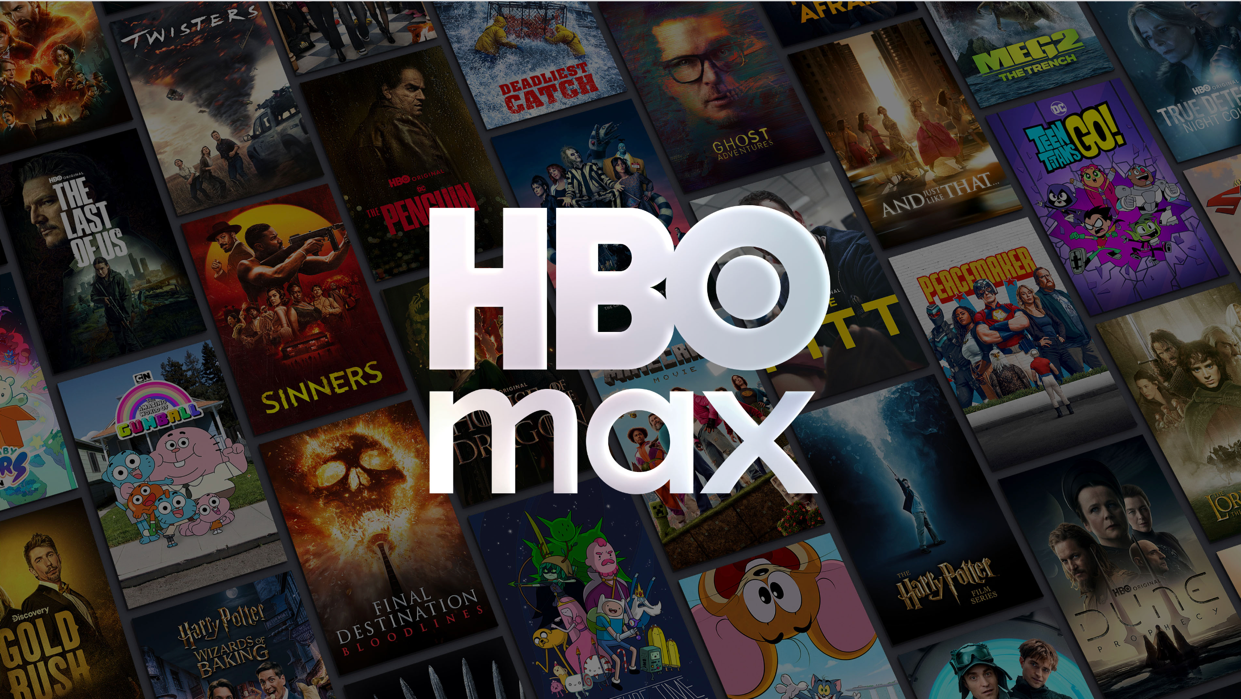
HBO Max has entered Barb's publicly reported streaming subscription data for the first time, with access in 3.1 million UK homes in the third quarter of 2026 — equivalent to 10% of British households. The survey, published on 12 November, shows that 21 million UK homes (71%) had access to at least one subscription video-on-demand (SVOD) service, up from 20.7 million between April and June.
The arrival of HBO Max in Barb's tracker comes seven months after the service launched in the UK and Ireland on 26 March, completing its European rollout. The figures put the platform in a position to challenge incumbents Netflix, Prime Video and Disney+, but they also reveal a market in which subscription overlap — not just customer growth — has come to shape company strategy.
What the UK streaming market looks like
Barb's Establishment Survey, based on a representative sample of households, measures reported access to video-on-demand services. In the third quarter, Netflix remained the leader with 18.3 million homes (61%), followed by Prime Video (14.3 million, or 48%) and Disney+ (9 million, or 30%). Paramount+ appeared with 4 million homes (13%), while Discovery+ reached 3.6 million (12%).
| Service | Q3 2026 homes | Penetration | Q2 2026 |
|---|---|---|---|
| Netflix | 18.3 million | 61% | 18.0 million |
| Prime Video | 14.3 million | 48% | 13.6 million |
| Disney+ | 9.0 million | 30% | 8.9 million |
| Paramount+ | 4.0 million | 13% | 4.0 million |
| Discovery+ | 3.6 million | 12% | 3.7 million |
| HBO Max | 3.1 million | 10% | — |
| Apple TV | 3.1 million | 10% | 2.8 million |
| NOW | 2.0 million | 7% | 2.0 million |
Service-level data is published only for platforms with household penetration above 5%, according to Barb's methodology. The list includes eight services and excludes smaller platforms, which helps explain why individual subscriptions add up to more than the total number of homes with SVOD access: a single household can subscribe to more than one platform.
The Disney+ comparison and Barb's message
Barb itself compared HBO Max's opening performance with that of Disney+, which entered the UK tracker in the third quarter of 2020 with 3.9 million homes. At the time, the Disney platform was also beginning to build its British base. The difference is that, six years later, Disney+ now appears with 9 million homes and has become the third-largest platform in the survey.
“HBO Max has joined Barb's SVOD tracker for the first time. 3.1 million UK homes report access to the service. That figure is comparable to the 3.9 million homes that had Disney+ when it joined the tracker in Q3 2020. Disney+ surpassed 9 million homes for the first time this quarter – something for HBO Max to aim for over the next six years.”
Whelpdale also highlighted the rise in the overall number of homes with SVOD, which passed 21 million for the first time. The increase of just 290,000 homes on the second quarter, he said, suggests that subscription growth is being driven less by new households entering the market and more by existing subscribers adding extra services.
More services per home: overlap becomes the norm
The numbers support that reading. The total number of homes with two or more streaming services reached 15.4 million in the third quarter, or 52% of British households, an increase of almost 600,000 on the previous quarter. It is in this overlapping market that HBO Max must win space, competing not only for new subscribers but for a share of household budgets already divided among several platforms.
The battle is also shifting to advertising-supported plans. At Netflix, 44% of subscribing homes were on its ad tier in the third quarter, equivalent to 8.1 million households (27% of the total), up from 7.3 million and 41% in the previous quarter. At Disney+, the ad-supported segment reached 3.9 million homes (13%), or 43% of its base, up from 3.6 million and 40%. Prime Video, which takes a different approach to migrating customers, had 89% of its homes on the ad tier: 12.7 million households (43%), against 12.1 million before.
How much HBO Max costs in the UK
HBO Max arrived in the British market with four subscription options, two of them advertising-supported. The prices place the service below its most expensive competitor and close to the mid-range tiers of Netflix and Disney+, but the entry strategy includes cheaper plans to accelerate adoption in an already mature market.
| Plan | Monthly price | Features |
|---|---|---|
| Basic with ads | £4.99 | Two simultaneous streams in Full HD |
| Standard with ads | £5.99 | Two streams, Full HD and 30 downloads |
| Ad-free | £9.99 | Ad-free experience in HD |
| Premium | £14.99 | 4K Ultra HD and Dolby Atmos where available |
The British catalogue brings together HBO originals, Warner Bros. films, DC and Harry Potter titles, as well as TNT Sports events. The bet on premium content is the main argument for persuading viewers to add another subscription to a basket that already includes Netflix, Prime Video or Disney+ — and to keep the service after the promotional period ends.
What Barb's numbers do not show
Barb itself attaches important caveats to the data. The survey is sample-based and relies on respondents' recall, which can create uncertainty when the person is not the account holder, when the service is bundled with another product, or when it is accessed through a third party. The institute therefore warns that the figures should not be compared directly with audited totals published by the platforms themselves.
The full report, including its methodology and historical series, is available on Barb's website. HBO Max's UK launch pricing was detailed by Variety, and the first reading of the data was reported by Broadband TV News.
Nor is it possible, from this data, to separate how many homes subscribe to HBO Max directly from how many receive it through pay-TV packages or other services. Barb measures reported access, not revenue or viewing time. Assessing engagement would require cross-referencing the survey with the audience data the institute publishes separately.
What to watch in the coming quarters
HBO Max's first measurement is a snapshot of its entry, not a verdict. The British market is already showing signs of saturation in the number of streaming households, shifting competition towards retention, viewing time and revenue per subscriber. The ability to turn those 3.1 million reported homes into loyal customers — and to sustain growth in ad-supported plans — will be the platform's real test in the next surveys.
For international readers, the UK figure also helps explain HBO Max's global logic: gradual launches, aggressive entry pricing and exclusive content to win markets where streaming is already an established habit. Performance in the UK, one of Europe's most competitive markets, is likely to influence pricing and catalogue decisions in other regions.
The next Barb data, covering the fourth quarter of 2026, should indicate whether the initial base held, grew or lost momentum after launch promotions ended. Until then, HBO Max can celebrate a solid debut: 3.1 million homes and joint sixth place in household penetration in the country, tied with Apple TV.
Read more on our TV and streaming hub and see our coverage of the new Harry Potter series on HBO. For more on the film and streaming market, visit our Film section.
Suggested and related articles

Druski Signs Netflix Deal, Sets 'Collect & Praise' Series

Haunted Hotel Season 2 Confirmed by Netflix: Release Window, Cast and Animated Series Details

Netflix November 2026: Black Doves Leads Strong Slate

Magic: The Gathering Could Outshine Arcane on Netflix

Netflix's 'The Fall of El Mayo' Is a Global Streaming Hit