Song of the Samurai: What Is the HBO Max Series About?
Published on · Updated on
Produced by Alice in Borderland's Akira Morii, the HBO Max drama adapts the Chiruran manga and follows the Shinsengumi in feudal Japan's final years.
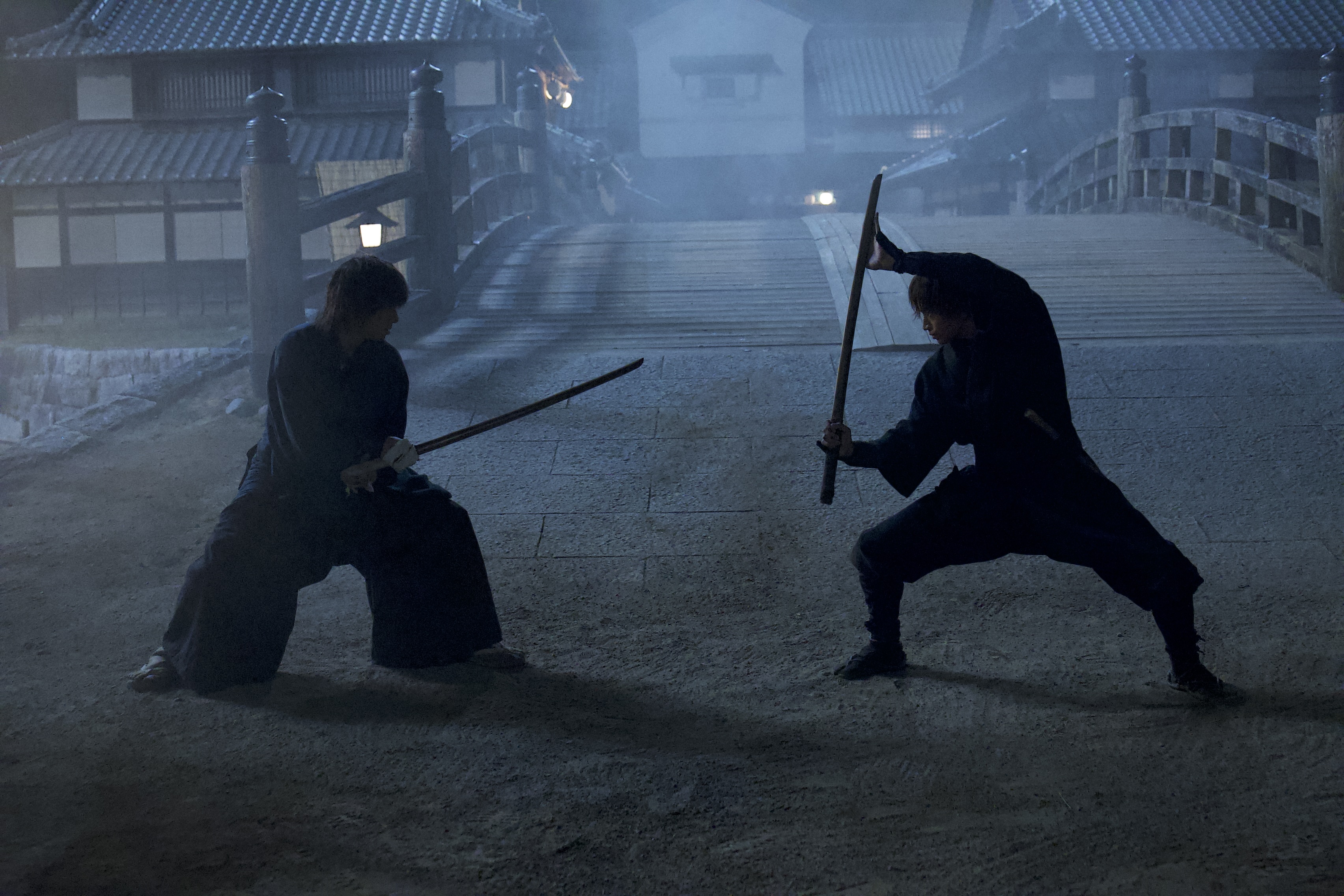
Song of the Samurai is the first live-action adaptation of the manga Chiruran: Shinsengumi Requiem, and it arrived on HBO Max on May 9, 2026, in more than 100 countries and territories. The Japanese series runs for eight episodes, carries a 16+ rating, and was directed by Kazutaka Watanabe from a screenplay by Masaaki Sakai. For international viewers, the most familiar name in the credits is producer Akira Morii, best known for Alice in Borderland. The story follows Toshizo Hijikata and the Shinsengumi, the samurai force that defended Kyoto in the final years of the shogunate, as feudal Japan collapsed and every loyalty came with a price.
For anyone who has only seen the title on the platform, the entry point matters: this is not a solemn biography of national heroes, nor a documentary about the end of the Edo period. It is an action drama about a group of young men who find an unlikely family inside a dōjō and gradually become a political and military force. Swords are everywhere, but the central conflict is different: how much of a personal conviction can be surrendered in the name of loyalty to the group.
What happens in Song of the Samurai
The story opens in 1912, when the elderly Nagakura Shinpachi (Akira Emoto), a former Shinsengumi captain, agrees to tell the group's story to Ichikawa Makoto (Meru Nukumi), a woman trying to understand who the militia's near-mythical vice-commander really was. The narrative then moves back to 1859. In Edo, street brawler Toshizo Hijikata (Yuki Yamada) arrives at the Shieikan dōjō and challenges its members to prove his worth. Isami Kondo (Nobuyuki Suzuki), the dōjō's master and a father figure to his students, sees the potential behind the arrogance and decides to train him.
That is where Hijikata meets Soji Okita (Kanata Hosoda), an affable prodigy, and the other young men who will form the core of the Shinsengumi. The group tries to enter the shogunate's military academy and later takes on the defense of Kyoto in a country split between those who want to preserve isolation and those who see opening the borders as a matter of survival. The series tracks that escalation: friendships that become brotherhoods, ambitions that collide with orders, illness, betrayal and battles that demand a price for every choice.
The scripts use historical figures as a starting point and embrace a bold interpretation of the facts, as the official material states. Do not expect a strict Bakumatsu chronology. Expect characters treated as ordinary people facing an era that changes faster than they can follow. That gap between the person and the historical role is where the series finds its strongest drama.
Where the story comes from: the Chiruran manga
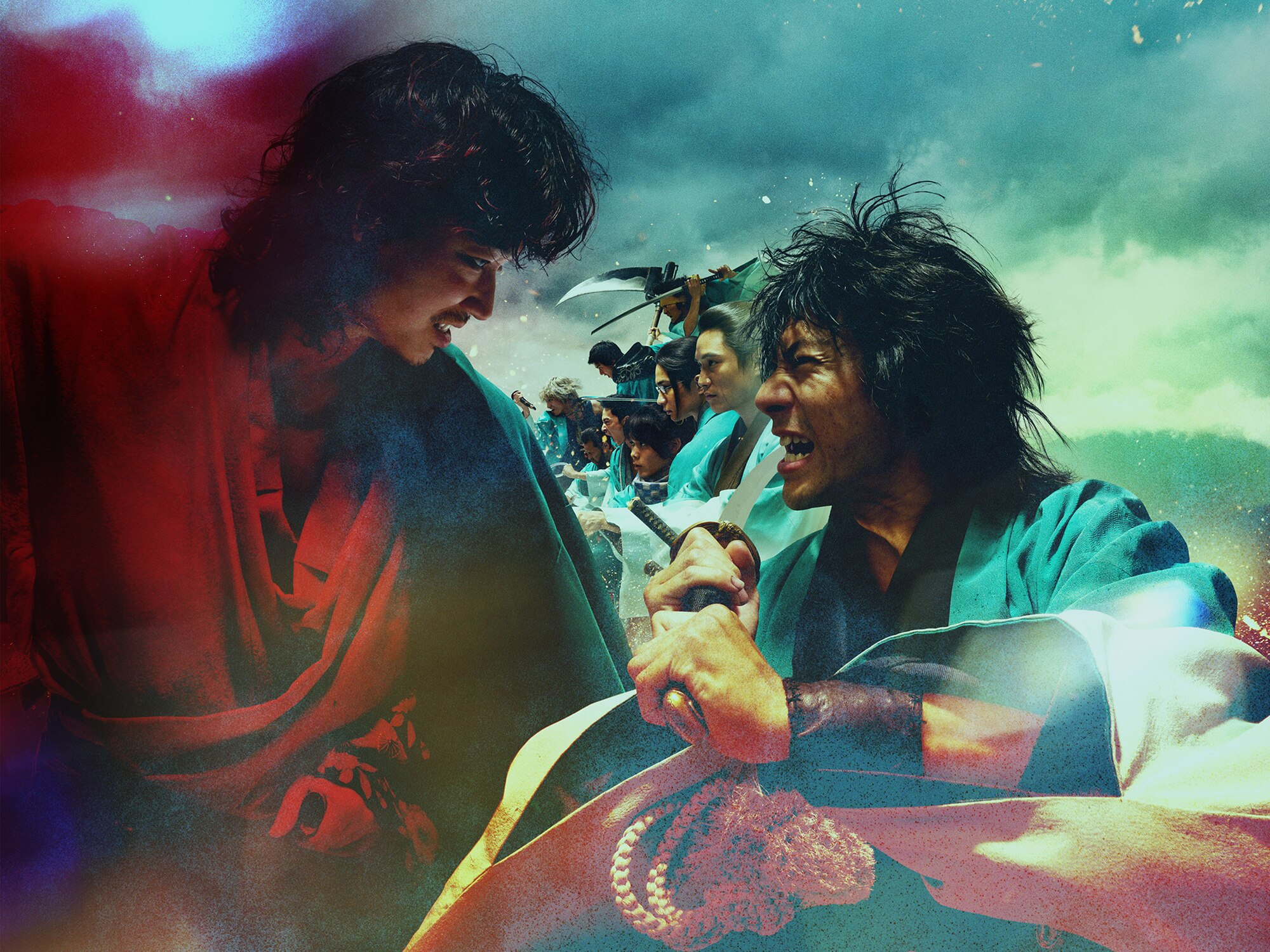
Song of the Samurai adapts Chiruran: Shinsengumi Requiem, written by Shinya Umemura and illustrated by Eiji Hashimoto. Umemura created Record of Ragnarok, which became an animated hit with a global audience. Chiruran ran in Coamix's Monthly Comic Zenon from October 2010 to April 2023 and reached 36 volumes. According to the production, the manga has more than three million copies in circulation.
The property had already expanded into other media: a 12-episode anime in 2017, broadcast in Japan and distributed internationally by Crunchyroll, plus a stage play and a drama CD. The live-action version is the first adaptation with actors and was designed for the international market from the start, with Japanese production and a simultaneous rollout across dozens of territories.
That history explains part of the care taken with the setting. The story already had a devoted audience accustomed to comparing details. The bet was to translate the material for viewers who have never read the manga, without requiring prior knowledge of Japanese history. That is why the series invests in clear introductions of who is who and in conflicts that work even for people who do not know in advance what happened to the Shinsengumi.
Who is behind the production
The series comes from THE SEVEN, the Japanese studio behind the live-action adaptations of Alice in Borderland and Yu Yu Hakusho. The project marks the first major collaboration between broadcaster TBS, streaming platform U-NEXT and the studio, with Warner Bros. Discovery handling international distribution. Akira Morii produces alongside Mamoru Inoue and Kazuya Shimomura.
Kazutaka Watanabe directed all eight episodes. Masaaki Sakai wrote the scripts, Yoshiaki Dewa composed the music, and Kensuke Sonomura handled action direction. Sonomura is associated with the Baby Assassins franchise and is one of the reasons the fight scenes stood out in the marketing: the goal was to combine fast sword choreography with a contemporary eye for the genre.
| Title | Song of the Samurai |
| Original title | ちるらん 新撰組鎮魂歌 (Chiruran: Shinsengumi Requiem) |
| Premiere | May 9, 2026 |
| Platform | HBO Max |
| Seasons | 1 |
| Episodes | 8 |
| Rating | 16+ |
| Genre | Action / historical drama |
| Director | Kazutaka Watanabe |
| Writer | Masaaki Sakai |
| Production | THE SEVEN / TBS / U-NEXT |
| Music | Yoshiaki Dewa |
| Action director | Kensuke Sonomura |
Who is who in the cast
Yuki Yamada plays Toshizo Hijikata, the protagonist who enters the Shieikan as a challenger and ends up as vice-commander. Yamada had previously shared the screen with Takumi Kitamura in the Tokyo Revengers trilogy; here they meet again on opposite sides, since Kitamura plays revolutionary Shinsaku Takasugi in the story's second chapter.
- Yuki Yamada — Toshizo Hijikata
- Nobuyuki Suzuki — Isami Kondo
- Kanata Hosoda — Soji Okita
- Aoi Nakamura — Keisuke Yamanami
- Go Ayano — Kamo Serizawa
- Kento Nakajima — Izo Okada
- Jun Matsumoto — Katamori Matsudaira
- Takumi Kitamura — Shinsaku Takasugi
- Akira Emoto — Nagakura Shinpachi (older)
- Meru Nukumi — Ichikawa Makoto
The young ensemble carries much of the dramatic weight. Casting Go Ayano as Kamo Serizawa, described by the production as the group's most ruthless nemesis, and Kento Nakajima as Izo Okada, the manslayer who sometimes helps and sometimes threatens the Shinsengumi, gives the series two points of instability that do not depend on battlefield spectacle alone.
Tone and what sets it apart from other samurai dramas
Jidaigeki has a long tradition and a demanding audience. Song of the Samurai tries to update that tradition without asking permission: the camera stays close to the choreography, cuts are fast, dry humor runs through grave situations, and the sincerity avoids a museum-piece tone. The series wants to be action entertainment for a younger audience without turning its characters into video-game heroes.
Early reception supported that reading. Collider published a favorable review with an 8/10 score, praising the balance between humor and tragedy as well as the production's visual scale. The site described the show as an ideal match for fans of Shōgun or Last Samurai Standing, while arguing it has enough identity to stand on its own.
"Our goal was to reimagine Japanese period drama as entertainment that could engage younger audiences. Built on an exceptional manga original, Song of the Samurai is brought to life through the committed performances and action of Yuki Yamada and an outstanding cast, with a contemporary vision of the samurai spirit."
The lead actor sums up the emotional key. For Yamada, the samurai spirit is not only about combat technique but about the wish to protect someone — a universal feeling that crosses borders. That idea sustains the quieter scenes and keeps the production from becoming merely a string of well-choreographed duels.
"In mid-19th century Japan, the Shinsengumi were among the so-called last samurai warriors who upheld the way of the sword during a time of profound change. To me, the samurai spirit is the wish to protect someone; a universal feeling that is shared across borders. I hope audiences can enjoy the action, while also feeling the emotion carried within each blade."
How the series rolled out and where to watch it
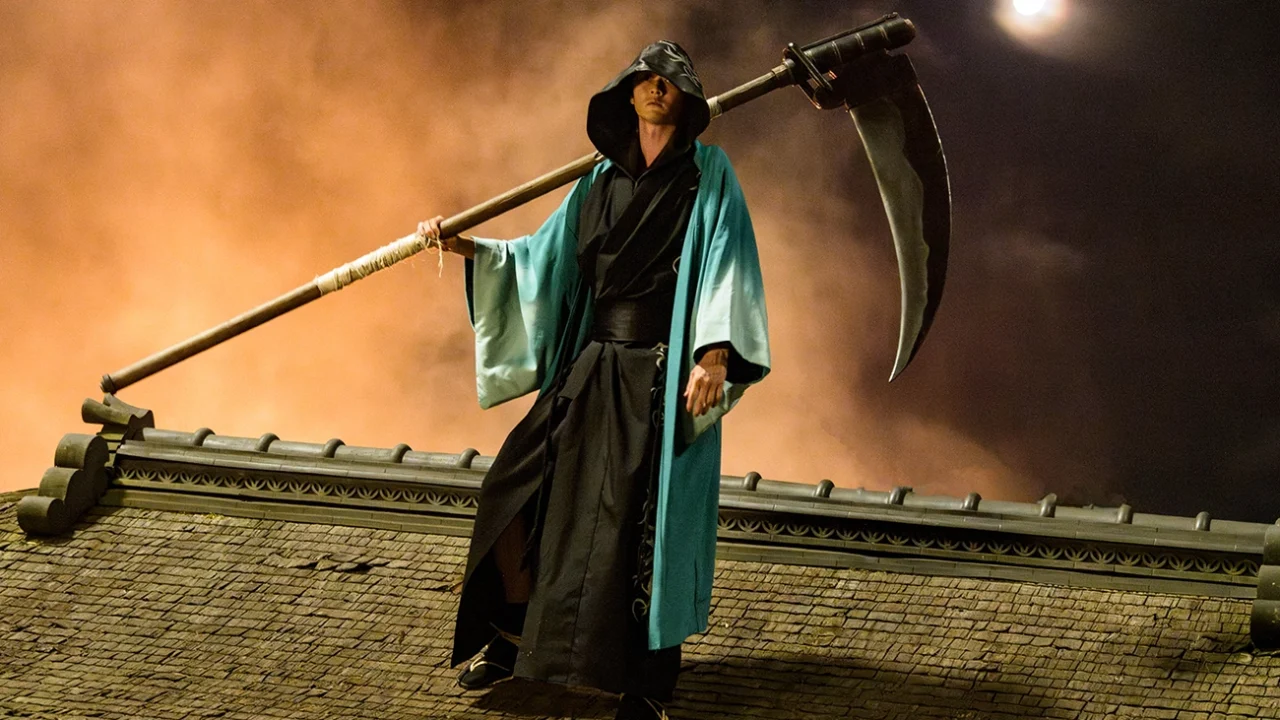
In Japan, the project was split into two stages. TBS aired the two-episode special "Chapter: Youthful Days in Edo" on March 26 and 27, 2026. Then the six-episode series "Chapter: Fateful Showdown in Kyoto" arrived exclusively on U-NEXT, with a new chapter each week. Together, the two parts add up to the eight episodes released internationally by HBO Max from May 9.
In the United States and other markets, the show sits on HBO Max with local subtitles and dubs in select territories. The rating is 16+, and the first season is complete. For viewers who prefer to binge, there is no weekly rollout on the platform: all episodes are already available.
It is worth noting that the series is not an HBO Max original in the sense of a direct commission. It was born from the partnership between TBS, U-NEXT and THE SEVEN and was licensed by Warner Bros. Discovery for international distribution. That helps explain the hybrid format — a TV special plus a streaming season — and the care taken with the launch window across more than 100 territories.
Is Song of the Samurai worth watching?
For viewers who enjoy sword action, charismatic ensembles and stories about groups under pressure, the series is a safe bet. The combination of Kensuke Sonomura's choreography, Kazutaka Watanabe's direction and a cast that can shift between humor and tragedy sustains all eight episodes. Anyone who came to the samurai genre through Shōgun will find a Japanese production with a different proposal here: less geopolitical analysis, more of a coming-of-age drama.
Those looking for rigorous historical reconstruction should adjust their expectations. The production says it starts from historical facts but embraces a bold interpretation, typical of manga adaptations. The real Shinsengumi existed and its names are real, but the series treats them as characters in an epic, not as encyclopedia entries.
For international audiences, the main draw may be the bridge to Alice in Borderland: same studio, same logic of characters pushed to their limits, but in a completely different setting. If the series works for you, the manga and the 2017 anime are still available and help explain where this devoted fan base comes from.
So far, no second season has been announced. Because the manga was completed in 36 volumes, however, there is no shortage of material for a continuation. The decision will likely depend on international performance — and the HBO Max launch in more than 100 countries, backed by a co-production involving three Japanese companies, suggests the bet was a big one.
Viewers can check the series on the official Song of the Samurai page on HBO Max and read the Warner Bros. Discovery press release, which details the cast and credits. The Collider review is also available for comparison.
In the Revista Pixel series archive, readers can find other Japanese and Asian productions currently streaming. For context on the genre and manga adaptations, the pop culture section is a good place to start.
Suggested and related articles

Warner and Paramount Merge TV Studios; CBS Stays Separate

Harry Potter at CCXP26: HBO Max sets 1,000 m² booth

Harry Potter on HBO: When It Premieres and What's Confirmed

Netflix in December: Cliff Booth and Emily's Goodbye
Black Clover Episode 8: Release Time on Crunchyroll