Warner and Paramount Merge TV Studios; CBS Stays Separate
Published on · Updated on
Skydance will merge Warner Bros. Television Group and Paramount Television Studios in early 2027, with 120+ series under one roof. CBS Studios stays separate.
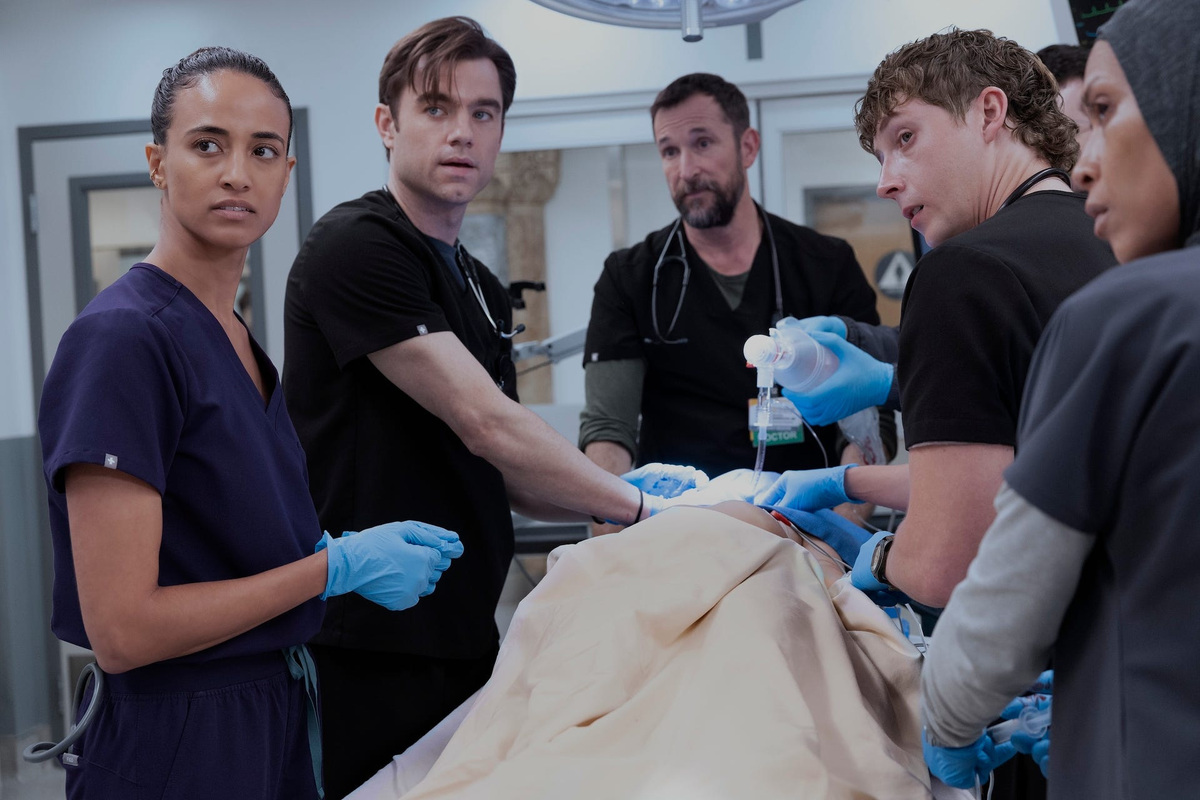
Skydance announced on November 18, 2026 that it will combine Warner Bros. Television Group and Paramount Television Studios into a single operation called Warner Bros. Television Studios, set to launch in early 2027. The announcement came from the company formed by Paramount Skydance's acquisition of Warner Bros. Discovery, completed on October 6. Until the transition, the two studios will keep operating independently. CBS Studios is not part of the merger and will remain a separate entity under president David Stapf.
The move brings together two structures that until now competed for the same buyers. On one side is Warner Bros. Television Group, the television arm of the Burbank studio behind shows such as The Pitt, Ted Lasso and Abbott Elementary. On the other is Paramount Television Studios, the production unit tied to the Paramount group that has backed titles including Landman and Reacher.
According to the official release published by Skydance, the new organization will work as a single supplier of programming for its own platforms and for third-party partners. The company describes the move as a way to "align leadership, resources and creative expertise" and give creators "stronger, more streamlined support" across every television platform.
In practice, this is not a merger between CBS and HBO, nor an immediate change to streaming catalogs. What changes for now is the industrial structure: who produces, who greenlights and who negotiates the sale of series to networks and platforms.
What changes for streaming subscribers
For subscribers, the short answer is: nothing concrete on price, catalog or premiere dates at this point. The release announces no price increase, no title migration and no timetable for integrating Paramount+ and HBO Max. Consolidating the studios is an earlier and separate step from any change in the subscription experience.
The longer answer is that the merger reduces the number of companies able to finance a series from scratch. A smaller studio tends to say "yes" to fewer projects per season, because it has to choose between similar ideas. When two structures with overlapping portfolios — sitcoms, medical dramas, police procedurals and franchise bets — start operating under one roof, competing in-house projects tend to be weighed against each other before reaching the air.
There is also a relevant indirect effect for viewers outside the Skydance universe. Hollywood television studios do not produce only for their owners' platforms: they sell shows to competitors. That is why a Warner Bros. Television production can appear on Apple TV, and a Paramount Television Studios show can premiere on Prime Video. The new entity keeps that model, which means part of rivals' catalogs will continue to be manufactured by the newly enlarged group.
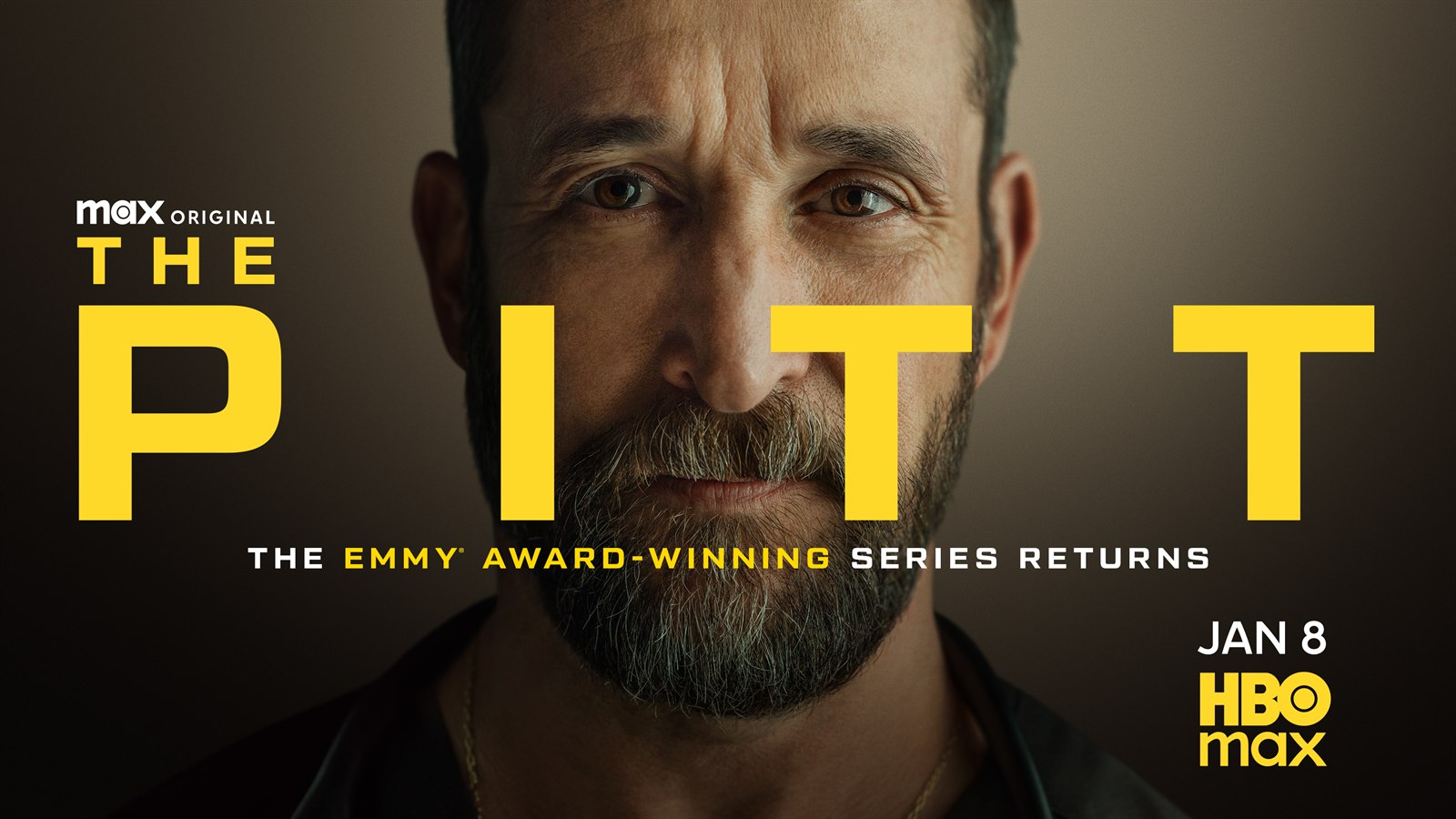
The series now sharing one roof
The release states that the new studio will be home to more than 120 active television series and some of the industry's biggest global franchises. The list mixes productions shown on the group's own platforms and on rivals — a portrait of how fragmented television production has become.
| Series | Where it airs |
|---|---|
| Harry Potter and the Philosopher's Stone | HBO |
| The Pitt | HBO Max |
| Ted Lasso | Apple TV |
| Georgie & Mandy's First Marriage | CBS |
| Reacher | Prime Video |
| Marshals | CBS |
| Landman | Paramount+ |
| Emily in Paris | Netflix |
| Neuromancer (upcoming) | Apple TV |
The presence of CBS titles on the list does not mean the network has been absorbed. Georgie & Mandy's First Marriage and Marshals are produced by Warner Bros. Television for broadcast on the network, a common Hollywood arrangement: the studio makes it, the network airs it. The same applies to productions sold to Netflix, Apple TV and Prime Video.
CBS Studios stays separate — and keeps selling outside
Keeping CBS Studios as an autonomous entity is the most important point in the release for anyone following American broadcast television. The unit, led by president David Stapf, has a different profile from the two houses now merging: it is strong in broadcast series and long-running franchises.
These operations remain under the CBS Studios umbrella:
- CBS Studios International, the distribution and production arm outside the United States;
- Skydance Sports Entertainment, the group's sports content division;
- See It Now Studios, a producer tied to documentaries and factual content.
The portfolio cited by the company includes Sheriff Country (CBS), Star Trek: Strange New Worlds (Paramount+) and Little House on the Prairie (Netflix). In other words: CBS Studios keeps producing for the CBS network, for Paramount+ and for third-party platforms without going through the new structure.
Who runs the new studio
Channing Dungey and Matt Thunell will serve as presidents of Warner Bros. Television Studios, jointly leading the operation and reporting to George Cheeks, co-chair and chief content officer of Skydance TV. Dungey also chairs Skydance Global Cable Media, which combines the two companies' cable portfolios, featuring more than 50 brands.
The two executives will oversee all creative departments of the studio, as well as BET Studios and Warner Bros. International Television Production's operations around the world. The choice signals continuity: Dungey ran ABC during the peak of Shonda Rhimes' output and more recently helped expand shows such as The Pitt and Abbott Elementary; Thunell has worked at Netflix and Paramount.
"Bringing together two of the industry's most prolific television studios creates a formidable creative engine, uniting extraordinary talent, resources, acclaimed programming and iconic franchises with the global scale to compete at the highest level."
"We have a unique opportunity to create something truly special for our creative partners and audiences around the world. I'm very excited to begin this new chapter."
In the same release, Thunell said the pair will bring "an unmatched roster of talent under one roof" and that the new studio will build on "the remarkable legacies of two storied studios."
What the company did not say
The release is detailed on structure and leadership but silent on the practical effects for audiences. Skydance did not say whether consolidating the studios affects the previously discussed plan to combine Paramount+ and HBO Max into a single service; it did not detail changes to content strategy; and it did not confirm whether shows will be canceled as a direct result of the merger.
The original U.S. report, by Kelly Lawler for USA TODAY, notes that the company was reached for comment on those points and had not responded by publication. Without those answers, any forecast about cuts or price changes remains speculation.
It is also worth separating what has already happened from what is still ahead. Paramount Skydance closed its purchase of Warner Bros. Discovery on October 6, 2026, creating a company with two film studios, two streaming services, news operations and a set of channels ranging from MTV to Food Network. The television studio combination announced in November is an administrative consequence of that deal, with its own deadline: early 2027.
A more concentrated Hollywood
Merging television studios is the kind of move that tends to go unnoticed by audiences and still shapes what reaches the screen. Fewer studios means fewer buyers for writers, producers and showrunners trying to land an idea. It also means less room for projects that do not fit established franchises.
The next chapter will be visible on three fronts: the formal launch of Warner Bros. Television Studios in early 2027, the decision on integrating Paramount+ and HBO Max, and the first cycle of renewals and cancellations under the new structure. Until then, the shows stay on air — and the two studios stay apart on paper.
With information from Skydance's official release and a USA TODAY report. Follow our Series and Pop Culture coverage, and read about Paramount's completed acquisition of Warner.
Suggested and related articles

Harry Potter on HBO: When It Premieres and What's Confirmed
Song of the Samurai: What Is the HBO Max Series About?

Harry Potter at CCXP26: HBO Max sets 1,000 m² booth

HBO Max and Paramount+ Bundle: How Much Will It Cost?
Musk on HBO Max: When Does the Documentary Premiere?