The Body: why Netflix is accused of anti-Catholic bias
Published on · Updated on
A CitizenGO petition demanding that Netflix cancel The Body has passed 117,000 signatures. Here is what it alleges and what the series actually shows.

The Body, the eight-episode Netflix series released on November 11, 2026, is the target of a petition demanding its cancellation that has already gathered more than 117,000 signatures. The campaign was launched on CitizenGO on November 5, six days before the premiere, and is addressed to Netflix chief content officer Peter Rice. It calls the show "blasphemous" and "anti-Catholic" and says Netflix "has just sent something into Christian homes that no parent would ever invite in." As of Thursday afternoon (19), the company had made no public statement about the campaign.
The controversy blends accusation, interpretation and fact. On one side, signatories argue that the series disrespects the Catholic faith and teaches teenagers that prayer leads to the Devil. On the other, the story is a work of fiction about a teenage ritual that goes wrong and the guilt that consumes its characters. Keeping those layers apart is essential to understand what is at stake — and what creator Quinn Shephard says she intended.
What the petition asks for
The petition was created by CitizenGO, a campaign platform with a conservative profile, and is directed at Peter Rice, with copies to co-CEOs Ted Sarandos and Greg Peters. Its stated goal is 200,000 signatures. According to the organizers, the series "defiles the faith of millions of Christian families" by depicting Catholic schoolgirls, a dark initiation ritual, the Devil and "prophetic visions."
The text also attacks how Netflix marketed the show. It cites an All Saints' Day campaign in which the characters were dressed as mock saints, including one wearing a crown of thorns. The official tagline, "pray hard and sin even harder," is presented as further proof of disrespect. The petition argues that the service is telling subscribers' daughters that prayer leads to evil.
"You spend years teaching your daughter to pray. Netflix wants to teach her that prayer leads to the Devil."
Organizers also point to precedents: the 2019 comedy special "The First Temptation of Christ" and the 2020 film "Cuties," both targeted by similar campaigns. The closing appeal leans on subscribers' economic weight. "One signature is easy to ignore. Hundreds of thousands are not. You and I need as many names as possible to make Netflix cancel The Body," it reads.
The growth was fast. On November 17 the campaign had about 101,000 signatures, according to German outlet Ruhr24. The next day, The Independent reported 111,000. On Thursday, Anadolu Agency said the count had passed 117,000. Because the petition was launched before the premiere, many early signatories were reacting to the trailer and plot descriptions rather than to all eight episodes.
What the series actually shows
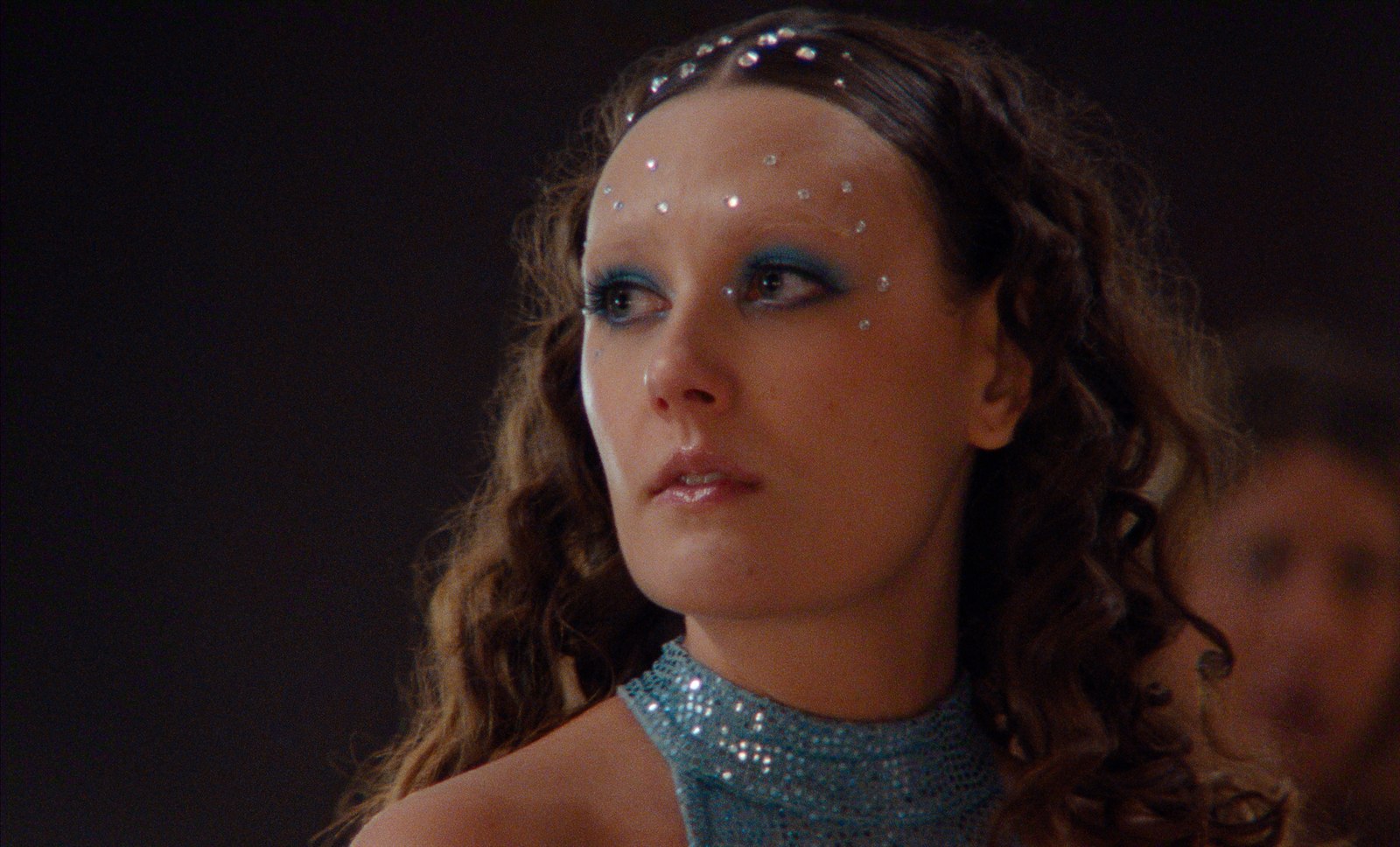
The Body is fiction set in 2004 at St. Barth's, a Catholic school in a town in the northeastern United States. It follows the Lions, a dance team of badly behaved girls, and begins when captain Anya Butler (Kristina Bogic) and her best friend Elise Zakaria (Sara Boustany) need to replace an injured dancer just before the regional competition. Grace Franklin (Sofia Wylie), the niece of the priest who runs the school, is the most talented candidate.
On Halloween night, the group takes Grace to a party at the "Devil's House," an abandoned convent, where they plan to initiate her. Alcohol flows, and ecstasy is passed around. During the ritual, the girls chant a taunt: "Prince of Darkness, take this most holy virgin sacrifice, and in exchange let us place at regionals!" The scene is staged as a teenage transgression, not as Catholic liturgy.
The next morning, Grace is found unresponsive and falls into a coma. The Lions take a vow of silence, delete photos from the party and begin claiming they have prophetic visions of their classmate. The lie spreads, divides the school and triggers mass hysteria across the town. That conflict — guilt, fear and reputation — is where the horror comes from, not from any supposed endorsement of Satanism.
The creator herself described the project as "a raunchy teen psychodrama with a dash of Catholic horror." The show is not based on a true story; we have already broken down what the series invents and what comes from its creators' memories. There is also no evidence that Netflix presented the ritual as a documented Church practice.
What Quinn Shephard says
Quinn Shephard, 31, is the creator, writer and showrunner, and directed the premiere. Before The Body, she created "Under the Bridge" (2024) and directed the films "Blame" and "Not Okay." In an interview with Variety published on November 17, she said she was never baptized, briefly attended her grandmother's Evangelical church and grew up wrestling with the Catholic guilt that shaped her mother.
"I always related to religious horror in a way that I didn't fully understand, these themes of shame and passion and ecstasy. And as I got older and started working on this show, I was like, 'Oh, it's the perfect metaphor for a queer girl's coming-of-age. Worshipful experiences that give meaning to your life, and then deep repression.'"
In the same conversation, Shephard said she has "never been an atheist" and described herself as "spiritually curious." According to her, the team is "very faith positive, but system critical." That statement is the key to reading the show: the criticism targets institutions and mechanisms of control, not belief itself. She also said writing the series "weirdly healed" her relationship with faith and brought her closer to religious relatives.
As of Thursday, Shephard had not directly responded to the petition. The Variety interview was published after the campaign had already collected tens of thousands of signatures, which shows that the debate around the series preceded much of the production's public response.
Strong viewership and a counter-petition
The noise did not stop the show. According to Netflix data compiled by Variety, The Body reached 5.1 million views in its first five days and ranked third among English-language TV titles for the week of November 9-15. Trade press also recorded a place in the Top 10 of dozens of countries, including a No. 2 spot in the United States in its early days.
Fans pushed back. A Change.org counter-petition created on November 12 asks Netflix to renew The Body for a second season. By Thursday it had more than 24,000 verified signatures, according to Fashion Times. Supporters cite the queer representation, the unresolved finale and freedom of expression.
Netflix has not commented on either campaign and has not announced a decision on a second season. The company usually waits for the full viewing window before confirming renewals, which should push any definition to the coming weeks.
Accusation is not the same as fact
The core of the dispute is interpretive, not factual. The petition does not accuse Netflix of claiming the ritual really happened, nor of presenting the scene as Church doctrine. The accusation is about disrespect: using sacred symbols, prayer and images of saints as raw material for a spectacle about sex, sin and Satanism. That is a value judgment, not a claim that can be settled by a fact-check.
On the verifiable side: the series is fiction, the ritual is performed by teenagers and the plot shows the consequences of the act — guilt, lies and a fractured community. There is no endorsement of Satanism, and the violation of faith appears as part of the problem, not as a recipe. That does not make the work immune to criticism: fiction has offended beliefs for centuries, and the discomfort of part of the religious audience is real, regardless of the authors' intent.
The label also deserves care. "Anti-Catholic" is the campaign's framing, not a finding by a religious authority or a news organization. What exists is a dispute over representation, fueled by marketing that leaned into shock value — the tagline "pray hard and sin even harder" was designed to provoke. When provocation meets an audience that feels attacked, a petition becomes the most visible channel for response.
What to watch next
Petitions of this kind rarely bring down a show that is performing well, but they work as a gauge of public pressure and can influence marketing and renewal decisions. In the case of The Body, three signals matter: Netflix's weekly Top 10 update, a possible official response from the company and the growth of the fans' counter-petition.
Meanwhile, all eight episodes remain available. For viewers arriving through the backlash, the distinction is simple: the petition says what one group of viewers thought; the series shows what the fiction chose to tell. Both can be true at once — and that is where the debate becomes more interesting than the numbers suggest.
| Item | Detail |
|---|---|
| Premiere | November 11, 2026, eight episodes |
| Creator and showrunner | Quinn Shephard |
| CitizenGO petition | Launched November 5; more than 117,000 signatures by November 19; goal of 200,000 |
| Viewership | 5.1 million views in five days; No. 3 among English-language TV (Nov. 9-15) |
| Counter-petition | Change.org for a second season; more than 24,000 signatures by November 19 |
| Netflix's position | No public comment on either campaign |
Sources: The Independent, Variety, Variety (ratings), Netflix Tudum, CitizenGO and Anadolu Agency. Read also who Anya, the series' perfect captain, is and more TV coverage.
Suggested and related articles

Planeswalker: When Does the Magic Series Hit Netflix?
Virgin River Renewed: When Does Season 9 Premiere?
Netflix November 2026: Black Doves Leads Strong Slate

Magic: The Gathering Could Outshine Arcane on Netflix
Netflix's 'The Fall of El Mayo' Is a Global Streaming Hit