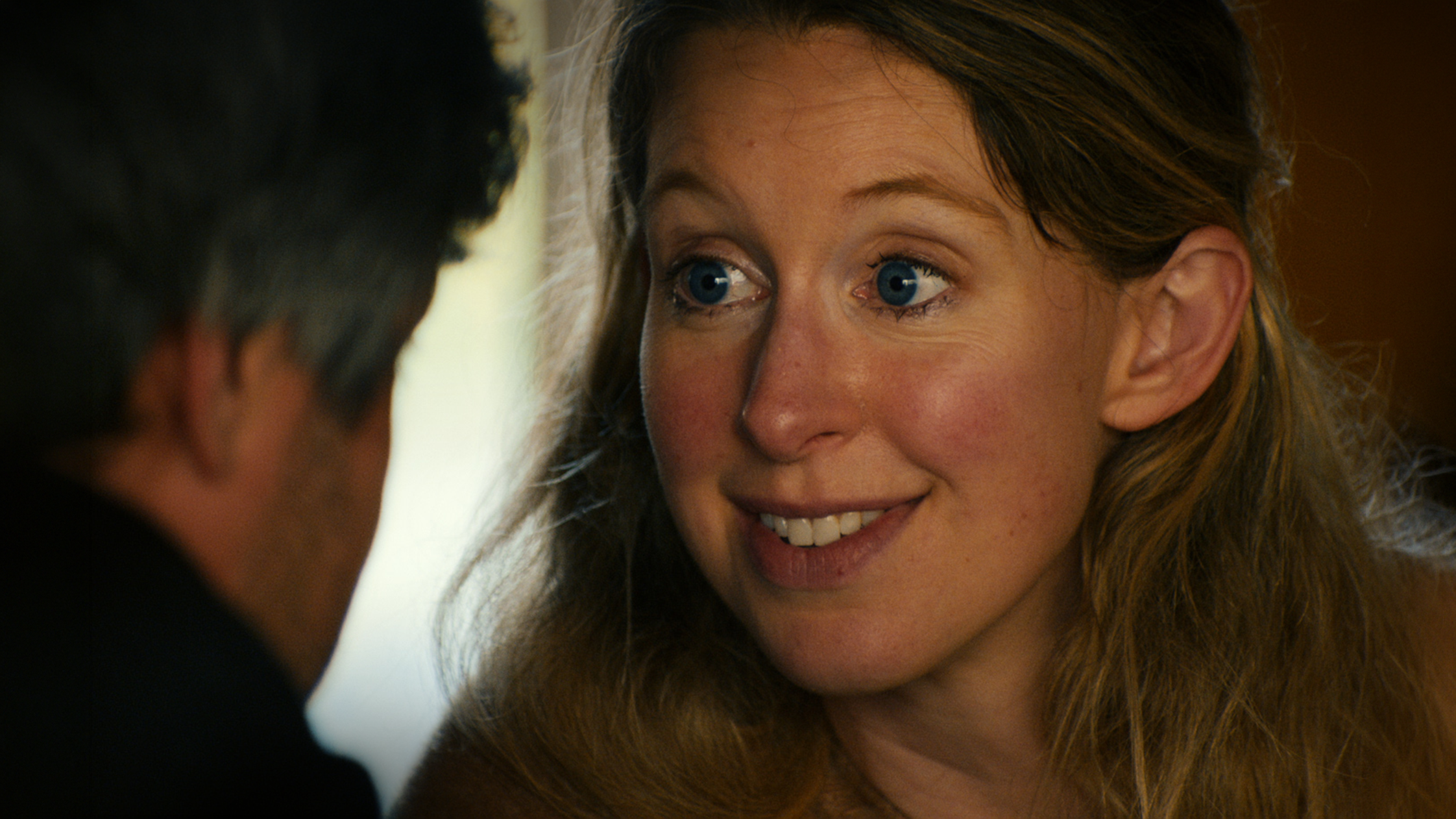
Josephine: What the Film Is About and How the Plot Unfolds
Published on · Updated on
Beth de Araújo's Sundance-winning drama follows an 8-year-old girl after she witnesses a sexual assault. Here is the plot, the cast and the release dates.
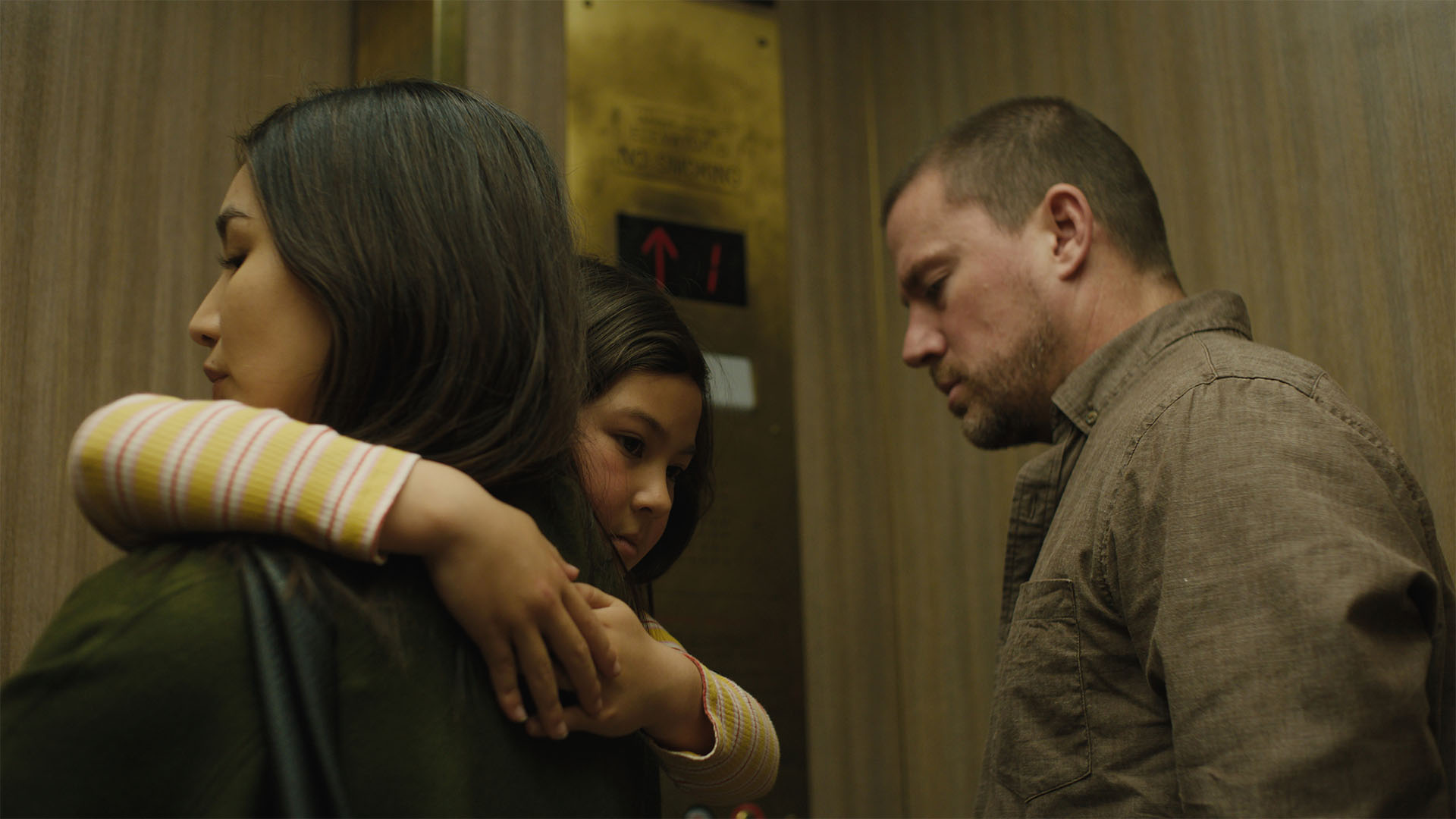
Josephine (United States, 2026) is a drama written and directed by Beth de Araújo, a Brazilian-American filmmaker who turned a memory from her own childhood into the heart of the story. The plot follows Josephine, an 8-year-old girl who witnesses a sexual assault in a San Francisco park and becomes the only witness to the crime. What follows is not only a trial: it is the silence of a family that does not know how to talk about what the girl saw. With Channing Tatum and Gemma Chan as her parents and newcomer Mason Reeves in the title role, the film won the Grand Jury Prize and the Audience Award in the U.S. Dramatic Competition at the 2026 Sundance Film Festival, competed at the Berlinale and opens in Brazilian theaters this Thursday, November 19, through Retrato Filmes.
What is the plot of Josephine?
On a Sunday morning, Josephine and her father, Damien, walk to Golden Gate Park to play football. From the top of a hill, the girl sees a man attacking a jogger. Damien runs after the attacker and leaves his daughter alone for a few moments. When the police arrive, Josephine is the only person able to describe what happened — and at eight years old she begins to carry the weight of a memory she cannot organize.
At home, she asks her father what the man was doing to the woman. Damien dodges the question. The girl then looks up the word “rape” on her own and starts to see the world as an increasingly dangerous place. That dislocation is what the screenplay follows: not the violence itself, but the way it settles into a child's routine, gestures and vocabulary.
Without a conversation that gives shape to what she saw, Josephine begins to act out violently at school, divides her classmates into allies and enemies and tests limits at home. Damien believes kung fu lessons can restore his daughter's sense of safety; Claire, her mother, argues for professional help. Both love the girl, but they disagree on how to protect her — and their conflict adds a second layer of instability.
Once Josephine has to testify in front of the accused, the family drama also becomes a courtroom drama. The girl is the central piece of a case that was not designed for her age, and the film keeps her childhood perspective from the crime to the verdict.
Childhood trauma is the film's real subject
Josephine is not a film about a crime; it is a film about what happens afterward. The violence takes up only a few minutes. The rest of the running time is devoted to what the girl does with something she cannot name: the fear that shows up in her body, the hypervigilance, the anger, the need to control everything around her.
The screenplay's argument is simple and uncomfortable: adult silence also causes harm. When the family avoids the subject, Josephine fills the gaps with her own conclusions — and some of them are scarier than the original event. The film suggests that protecting a child does not mean hiding reality from her, but accompanying her while she tries to understand it.
The literature on childhood trauma points in the same direction. The National Child Traumatic Stress Network (NCTSN), a network linked to the U.S. government, recommends that adults provide honest, age-appropriate information, answer questions without forcing details, re-establish routines of safety and seek professional support when symptoms persist. The organization also stresses that caregiver involvement is central to the recovery process.
The film does not turn that into a manual. On the contrary: it shows two loving but unequipped adults getting the order and the tone of the conversation wrong. That imperfection is precisely what gives the portrait its strength.
“Silence breeds silence, and that did not work for me.”
A story born from the director's memory
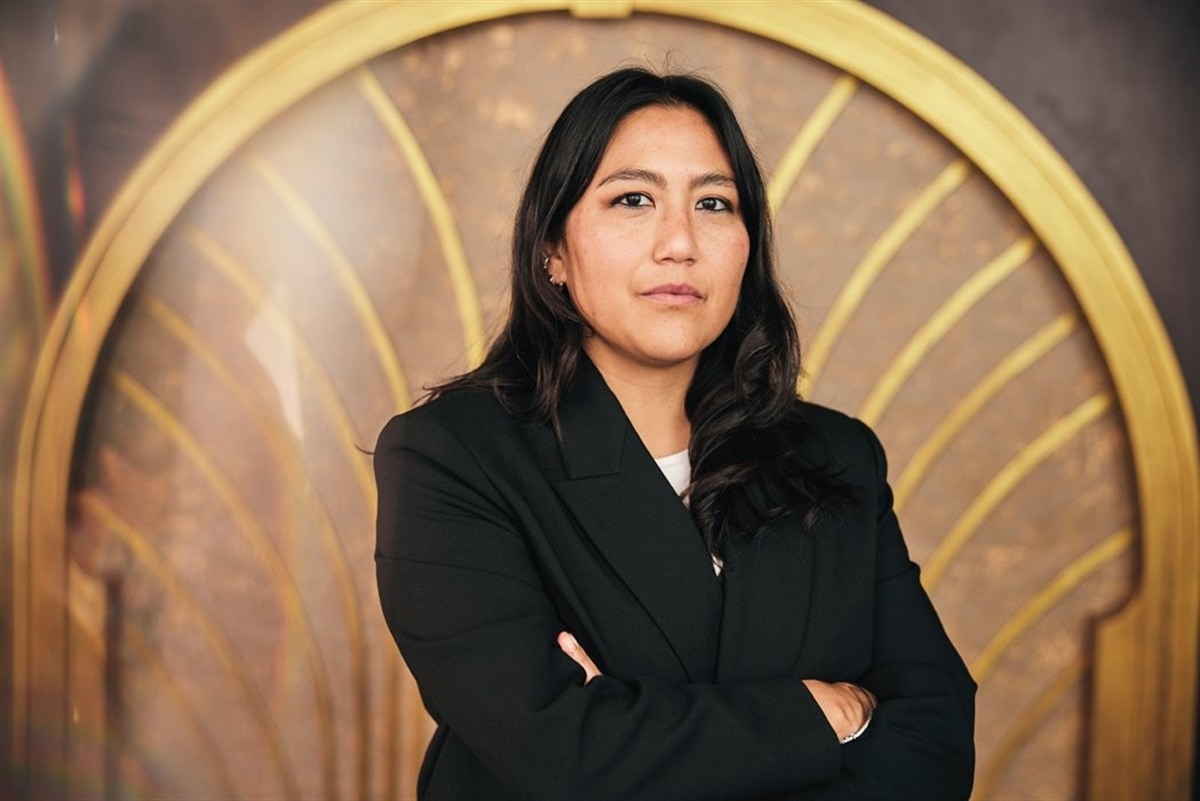
Beth de Araújo was born in San Francisco, the daughter of a Brazilian father from Goiânia and a Chinese-American mother. With a degree in Sociology from UC Berkeley and an MFA from the AFI Conservatory, she directed the acclaimed Soft & Quiet (2022) before returning to Josephine, a project that went through the Sundance Institute's screenwriting and directing labs in 2018 and sat dormant for years — first because of the pandemic, then because of the Hollywood strikes.
The film's origin is literal. At eight, Beth briefly lost sight of her father in a San Francisco park and saw a man beat and rape a woman. Police arrived soon after; the girl waited inside a patrol car next to the victim. At home, nobody mentioned it. She only discussed the episode with her parents 28 years later, after being harassed by a stranger in a movie theater.
To that personal experience, the director added volunteer work supporting survivors of sexual violence and the observation of trials. One of them stayed with her: a rapist defended by a female lawyer. “That is a common tactic, using a woman so the defendant's case is seen with more sympathy,” she told VEJA.
Josephine is not an autobiographical reconstruction. The director moves the memory into fiction, where the child faces more drastic consequences than she did. But the emotional structure — the park, the silence, the hearing, the attempt to understand what no one explained — comes from that Sunday.
Mason Reeves: the debut that holds the film together
The most surprising name is Mason Reeves. Cast by the director at a farmers market in San Francisco, the young actress was 10 during filming and had never led a feature. Her performance, however, carries the movie: it is through her face that the audience measures the size of what happened.
Filming a child in a story about sexual violence requires care that goes beyond technique. Beth decided Mason would not be on set during the assault. To draw out the girl's reactions, she worked with sensory memory: she asked her to write about moments when she felt proud, scared or frustrated. “To film her reaction to the crime, she thought about a time she got lost in a store,” the director said.
“Mason was not on set when we filmed the rape scene. When she turns 18, she can watch the film or not.”
Dialogue involving sensitive words was supervised by the actress's parents and a child psychologist. The result is a performance that never feels exhibited as a curiosity: Josephine's suffering is handled with discretion and attention to her point of view.
Channing Tatum and Gemma Chan: parents who also do not know what to do
Channing Tatum plays Damien, a father who answers fear with action. He wants to teach his daughter to defend herself, to solve the problem with his body, to find someone to blame. Gemma Chan is Claire, the mother who tries to name what happened and seek specialized help. Neither is negligent; both are unprepared.
The tension between the characters moves the film from melodrama into observation. Damien is not the villain, and Claire is not the solution. What separates them is the same thing that unites them: the inability to talk about the subject without fear. Tatum and Chan, who also serve as producers, find a rare balance between fragility and stubbornness.
Critics received the film as one of Sundance's highlights. Variety named it a Critics Pick and described it as “shattering,” praising the maturity with which the director handles a difficult subject. Sumerian Pictures' publicity material quotes Rolling Stone (“brilliant, singular and astounding… an instant classic”) and USA Today (“one of the great child performances of the decade”).
Awards, festivals and the road to the Oscars
Josephine premiered on January 23, 2026, in the U.S. Dramatic Competition at Sundance and left with two prizes: the Grand Jury Prize and the Audience Award. The double win is rare and immediately put the film on the awards-season radar.
In February, it had its international premiere in the main competition of the 76th Berlinale, competing for the Golden Bear. It also screened at the Toronto International Film Festival and received three Gotham Awards nominations: Best Feature, Outstanding Supporting Performance for Channing Tatum and Breakthrough Performer for Mason Reeves. Variety already listed it among the earliest Oscar contenders.
| Director and writer | Beth de Araújo |
| Cast | Mason Reeves, Channing Tatum, Gemma Chan, Philip Ettinger, Syra McCarthy |
| Cinematography | Greta Zozula |
| Editing | Anish Acharya, Nico Leunen, Kyle Reiter |
| Music | Miles Ross |
| Country and language | United States, English |
| Runtime | 121 minutes (about 2 hours) |
| Distributors | Sumerian Pictures (U.S.), Retrato Filmes (Brazil) |
| Brazil release | November 19, 2026 |
| U.S. release | November 20, 2026 (limited); December 4 (nationwide) |
When does Josephine open in Brazil?
The Brazilian release is set for Thursday, November 19, 2026, one day before the American launch. In the United States, Sumerian Pictures opens the film in select theaters on November 20 and expands on December 4. At the time of publication, no streaming date had been announced.
A warning is due: Josephine deals with sexual violence, childhood trauma and its consequences, with scenes and dialogue that may be disturbing. It is not a film for children, despite having a child as its protagonist. For adults, it is a work that asks for a willingness to talk afterward.
Watch the official trailer for Josephine: video on YouTube (Sumerian Pictures).
Why Josephine matters
The film arrives in Brazil at a moment when the conversation about children's mental health is gaining space but still stumbles over taboo. By refusing sensationalism, Josephine shifts the central question: it is not about learning what happened to the girl, but about understanding why no one could talk to her about it.
It is also a film about adult responsibility. Damien and Claire are not monsters; they are ordinary people facing something they cannot name. The director does not absolve them, but she does not condemn them either. The invitation is for viewers to recognize their own hesitations in them.
For festival audiences, Josephine is one of the year's strongest titles and confirms Beth de Araújo as one of the voices of American independent cinema. For anyone who sees the title and wonders what it is about, the answer is this: a drama about a girl, a crime and the silence that forms around both.
This week's release schedule is in our Films section. For more festival coverage and pop culture, visit Pop Culture.
With information from VEJA, Variety, Berlinale, Rotten Tomatoes and Sumerian Pictures.
Suggested and related articles
The Creator on Globo: Brazil TV Time, Plot and Cast

Felipe Camargo Turned Down 'Tropa de Elite' Colonel Role

Tropa de Elite: Where to Watch Both Films Online

Your Mother: Mahershala Ali's New Film and Release Dates
Suzane von Richthofen: Where to Watch the Documentary