Suzane von Richthofen: Where to Watch the Documentary
Published on · Updated on
Netflix's Suzane von Richthofen documentary is a single 1h41 film with no episodes, featuring her first interview in a decade. See where to watch it.
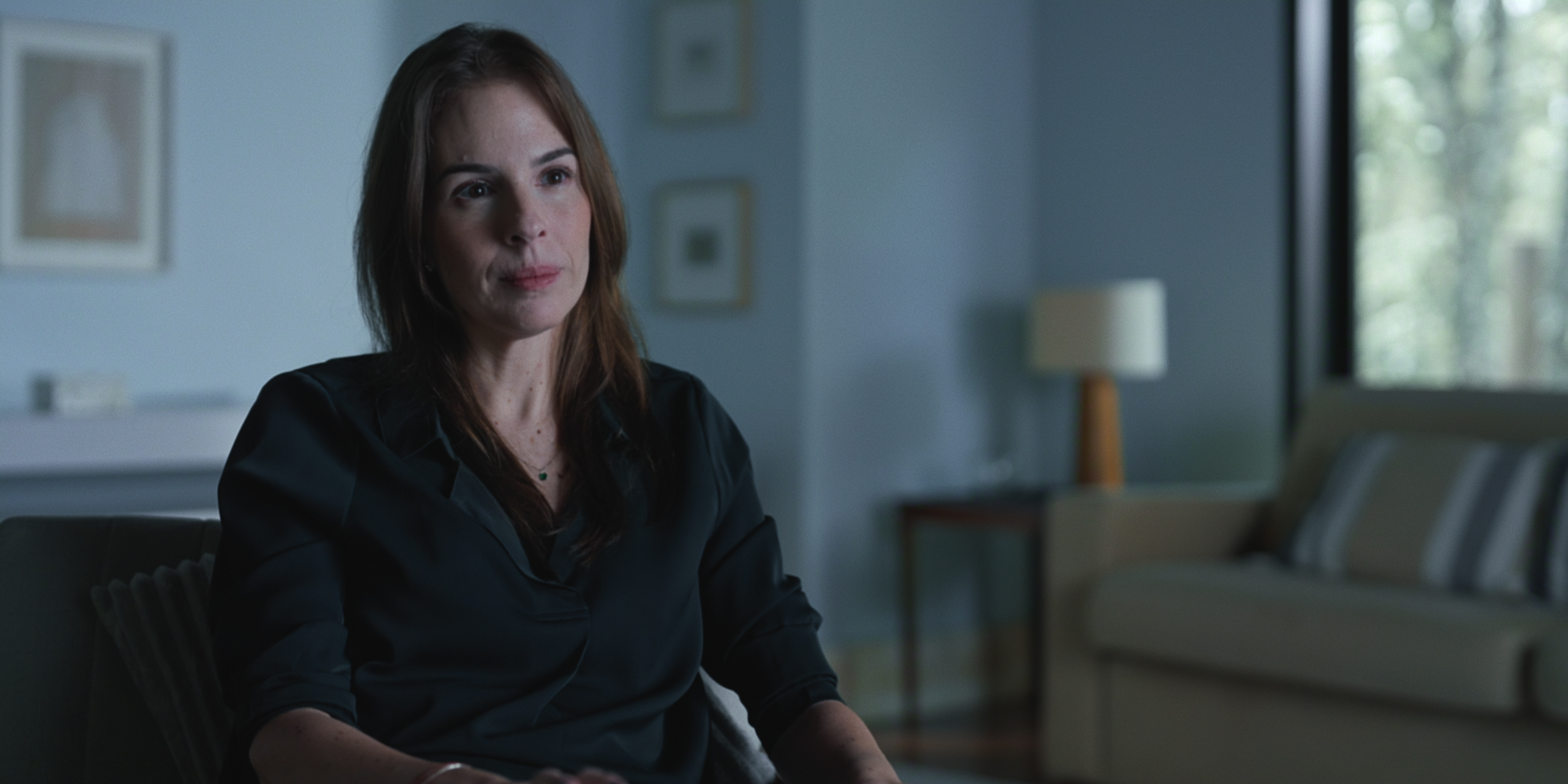
Suzane von Richthofen: What Time Doesn't Erase (Suzane von Richthofen: O que o Tempo Não Apaga) is available on Netflix since November 11, 2026. The documentary directed by Lygia M. Barbosa and Paulo Gambale Maká is a single 1-hour-41-minute film — in other words, it has no episodes and should not be mistaken for a documentary series. The production features Suzane's first interview in more than ten years, archival footage and accounts from people connected to the investigation into the 2002 murders of Manfred and Marísia von Richthofen, and it is included with a streaming subscription at no extra cost.
The confusion is understandable. Netflix usually releases true-crime documentaries as three- or four-part miniseries dropped all at once, and this Brazilian title sits on the same shelf as those serialized docs in the app. In this case, however, viewers get a self-contained feature film with a beginning, middle and end in a single sitting. Anyone searching for "how many episodes" will not find a chapter list — they will find a play button and 101 minutes of runtime.
This guide answers what the immediate search asks: which platform carries the film, how to find it, how long it runs, what it actually covers and why the work became a political talking point days after its release.
Where to watch and why the documentary has no episodes
The title is a Netflix original in Portuguese and did not go through theaters. To watch it, all you need is an active subscription: the documentary sits in the regular catalog, with no rental fee and no extra charge. In Brazil, the age rating is 14, which blocks access on children's profiles.
In the app, searching for the full name solves the doubt in seconds. Type Suzane von Richthofen and pick the result with the official artwork and the Netflix production label; the film appears both under documentaries and under true crime. On smart TVs and consoles, the page can take a moment to load the artwork, but playback works normally. Downloads for offline viewing are available on phones and tablets, under the app's usual validity rules.
| Documentary fact sheet | Details |
|---|---|
| Title | Suzane von Richthofen: What Time Doesn't Erase |
| Format | Documentary film — no episodes |
| Runtime | 1 hour 41 minutes (101 min) |
| Release | November 11, 2026 |
| Platform | Netflix, included with subscription |
| Directors | Lygia M. Barbosa and Paulo Gambale Maká |
| Production | Kromaki, in co-production with Grama Filmes |
| Age rating | 14 (Brazil) |
What the documentary covers
The starting point is the passage of time. More than 20 years after the crime and more than a decade after Suzane's last interview, the film investigates who she became after serving part of her sentence and places her account alongside what was established by the police, decided by the courts and reported by the press. This is not a dramatized reconstruction: the structure combines the new interview with period archive material, expert analysis and testimony from investigators and people linked to the case.
The documentary does not stop at October 31, 2002. The director shifts the focus to three fronts that usually fall outside crime reporting: the impact of media coverage on high-profile cases, the reality of Brazil's prison system and the resocialization of those who serve time. That is where the film raises its most uncomfortable questions — among them, why a woman convicted of a family crime is still being photographed at the supermarket and at college more than two decades later.
"More than two decades after the crime, the documentary allows us to discuss issues that matter deeply to our society, such as the media and its impact on this and other similar cases, resocialization, and a little of the reality of the penal system in Brazil."
Hearing Suzane out without giving up on challenging her is the core of the film. The director said the team took time to build trust before turning the cameras on, and that the research involved psychological testing, studies on violence reduction and visits to resocialization centers. The result is a long interview in which the convicted woman answers questions she had avoided for years — and that is precisely where the contradictions surface.
The contradictions the film exposes
The most discussed one involves the barbecue that allegedly took place at the family mansion in the days after the murders. Suzane denies the celebration and says the scene would have been impossible because of the smell in the house. Moments later, the police chief who handled the case at the time testifies that officers found the house with people in swimwear by the pool, which would support the account of a party. The episode also appears in the book Suzane: Assassina e Manipuladora, by journalist Ullisses Campbell, which describes loud music and drinks on the Saturday after the funeral — her 19th birthday.
"There was no barbecue at all. How could you imagine anyone having a barbecue at the scene of a tragedy? Have you ever smelled blood two, three days later?"
The second contradiction is linguistic, and no less important. Suzane tries to play down premeditation by claiming the word "kill" was never used in her conversations with her then-boyfriend, Daniel Cravinhos. According to her, the talk revolved around phrases such as "it would be good if my parents didn't exist." The planning, however, was detailed over months and recognized in both convictions.
The third lies in the description of her parents as controlling. In the interview, Suzane says she lived under strict surveillance; elsewhere, she recounts that she traveled repeatedly to the northern coast of São Paulo with Daniel, lying that she was with friends, that she financed a car for him and that her parents spent a month in Europe, leaving her alone at home. "It was a month of sex, drugs and rock'n'roll, I was never so happy," she says in the film. Both versions coexist in the same account, and the documentary does not choose for her: the job of confronting them falls to the viewer.
Who directed and produced it
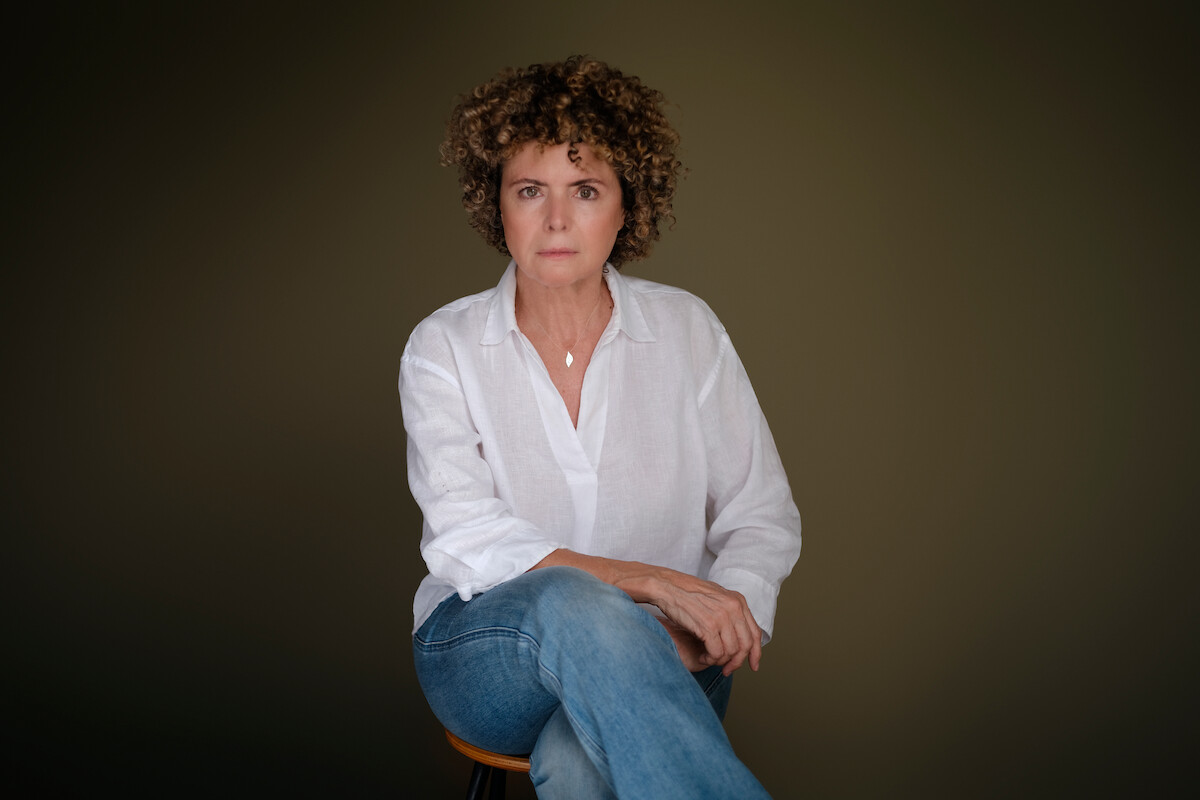
Lygia M. Barbosa shares directing duties with Paulo Gambale Maká. Her résumé includes environmental documentaries and the film Laerte-se, and she cites that experience of listening as decisive in conducting the interview. Behind the scenes, the production is by Kromaki in co-production with Grama Filmes, with Rodrigo Letier as producer and executive production by Roberta Oliveira and Fernanda Abreu. Netflix announced the project on November 9 and released the trailer two days before the premiere.
The film arrives a little over a year after Tremembé, a Prime Video miniseries based on Ullisses Campbell's book and starring Marina Ruy Barbosa as Suzane. The two productions compete for the same public curiosity but start from different places: the fiction reconstructs the crime; the documentary asks what was done with the convicted woman afterward.
The R$500,000 payment and Brazil's "Suzane von Richthofen Law"
The premiere coincided with the fallout from a report published by the F5 column of Folha de S.Paulo in April 2026: Netflix reportedly paid around 500,000 reais for Suzane to authorize the making and filming of the documentary. The amount was never officially confirmed by the platform, the production company or her defense, and the film does not mention the figure.
The uproar over the money gave momentum to Bill 2263/2026, sponsored by congressman Augusto Coutinho and nicknamed the "Suzane von Richthofen Law." The text bars convicted people from earning money by exploiting their crimes in films, books, series, interviews, lectures and digital content. The proposal draws on U.S. Son of Sam laws, created after the crimes of serial killer David Berkowitz.
Under the bill, money received commercially must go to the victims or their heirs, in addition to compensation for moral damages. When no victim can be identified, the funds go to social assistance organizations. The text states that the measure does not prevent the production, distribution or circulation of works by third parties and that its application must respect freedom of expression and intellectual, artistic and journalistic activity, with no prior censorship. The bill is under review at the Chamber of Deputies' Culture Committee and still needs further steps before becoming law.
The case, recalled — and where Suzane stands today
On the night of October 31, 2002, engineer Manfred Albert von Richthofen and psychiatrist Marísia von Richthofen were killed with iron bars inside their own mansion in Brooklin, on the south side of São Paulo, while they slept. The perpetrators were Daniel Cravinhos, Suzane's boyfriend at the time, and his brother, Christian Cravinhos. Suzane, then 18, was identified as the person who planned the crime. The trio tried to stage a robbery, but inconsistencies in their statements led to a confession days after the funeral.
Convicted in 2006, she received an initial sentence of 39 years and 6 months, later revised to 34 years and 4 months, with completion expected in February 2038. Suzane spent about 20 years in prison and, since 2023, has been serving the remainder of her sentence in an open regime. That is the woman — out of prison, trying to rebuild her life and still recognized on the street — whom the documentary puts in front of the cameras.
Is it worth watching?
The film is not a summary of the case. Anyone expecting the full chronology, with reconstruction and forensic detail, will find more direct material in news reports and books. The documentary's value lies elsewhere: in the long interview, in the clash between competing accounts and in the discussion about resocialization that Brazil tends to avoid. For those who followed the "Suzane von Richthofen Law" debate, watching the film helps explain where the payment controversy comes from and why the case returned to the center of political debate in 2026.
A word of warning: the content is sensitive, with descriptions of violence and abusive family dynamics. The 14 rating is appropriate, and watching it in one sitting works better than breaking it up — the structure builds information toward the final stretch. For viewers who enjoy feature-length true crime, the platform's catalog offers similar titles, such as The Fall of El Mayo and Elizabeth Smart, which also rely on first-time testimony.
The documentary remains available on its official Netflix page. Production details and the director's full remarks are in the Netflix press release and in the Tudum interview (in Portuguese). The progress of Bill 2263/2026 can be followed in VEJA's coverage.
Suggested and related articles

Tropa de Elite: Where to Watch Both Films Online
Netflix Buys Joel Coen's 'Jack of Spades' for Fall 2027
Project Power: the pill that grants five minutes of power
The Creator on Globo: Brazil TV Time, Plot and Cast

Felipe Camargo Turned Down 'Tropa de Elite' Colonel Role