Possible Love on Netflix: Release Date, Where to Watch, Cast
Published on · Updated on
Lee Chang-dong returns after eight years with Possible Love, now streaming on Netflix. Release dates, full cast, runtime, awards and where to watch.
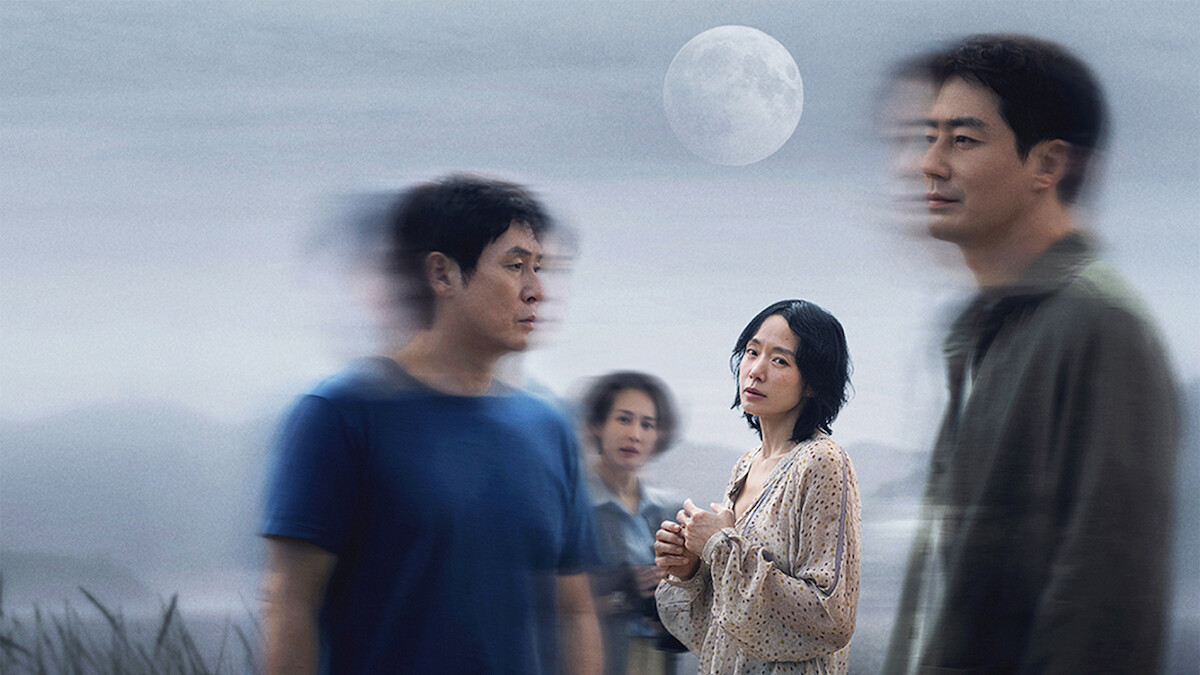
Possible Love, Lee Chang-dong's first film in eight years, is already streaming on Netflix. The South Korean drama landed on the service's global catalogue on November 6, 2026 — 5 p.m. Seoul time, which is 5 a.m. in Brasília — two weeks after opening in select theaters across the United States, the United Kingdom, Japan and Canada. For anyone searching "when does Possible Love come out," the answer is now straightforward: subscribers can watch it today, at no extra cost, with the original Korean audio and subtitle options. Directed and co-written by Lee with Oh Jung-mi, the 2h47 drama follows two married couples from opposite social classes and stars Jeon Do-yeon, Sul Kyung-gu, Zo In-sung and Cho Yeo-jeong. Before reaching streaming, it won the Silver Lion (Grand Jury Prize) and the FIPRESCI Prize at the 2026 Venice Film Festival and was selected by South Korea as its entry for the Academy Award for Best International Feature Film.
Is Possible Love on Netflix? Every release date
Yes. The film had its global Netflix premiere on November 6, 2026, after a theatrical rollout that began in South Korea in September. Netflix confirmed the date back in July, alongside the announcement poster showing Mi-ok and Ye-ji under the moon, and reiterated the worldwide launch in official releases through the second half of the year. Here is the full schedule:
| Release window | Date |
|---|---|
| World premiere (Venice Film Festival) | September 6, 2026 |
| Theaters in South Korea | September 23, 2026 |
| Theaters in Australia | October 22, 2026 |
| Theaters in the US, Canada, UK, Ireland and Japan | October 23, 2026 |
| Netflix (worldwide) | November 6, 2026 |
The time zone gap caught part of the audience off guard: the film went live at 5 p.m. in Seoul rather than at local midnight. Because it is a Netflix original, it does not depend on country-by-country licensing deals — it showed up in the Brazilian catalogue on the same day it became available in the US and Korea. Dubbing and subtitle tracks vary by territory, and the platform lists the options on the title page itself.
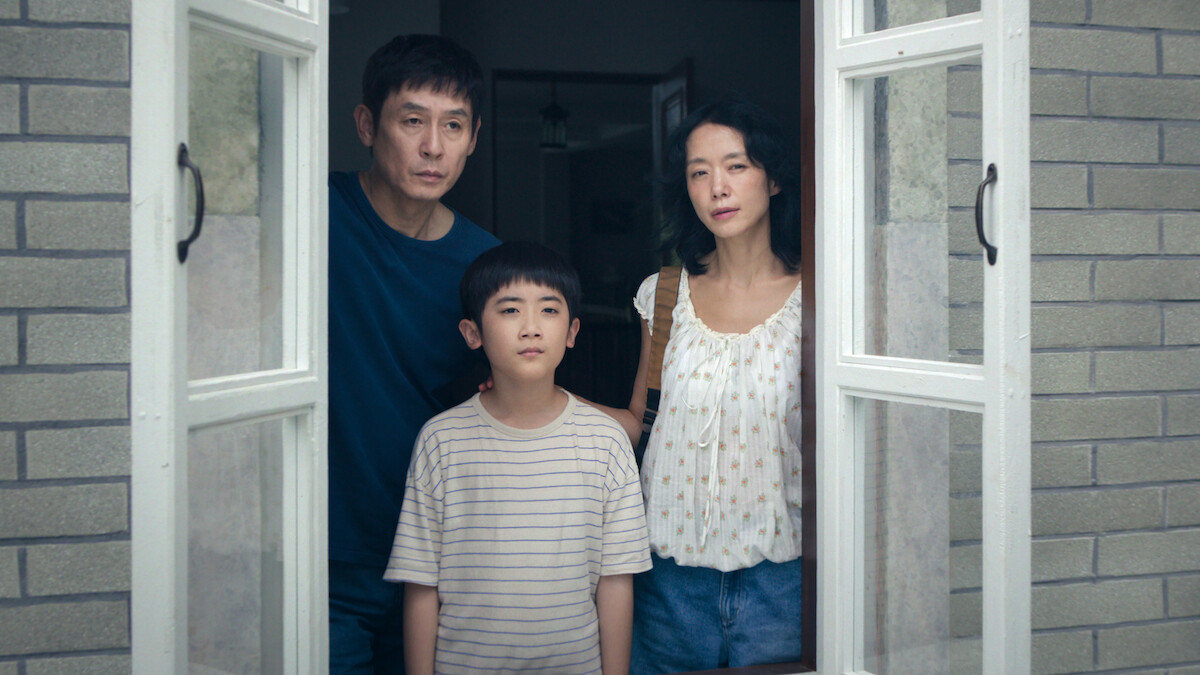
Why the film took eight years to happen
Between Burning (2018) and Possible Love, Lee spent nearly a decade trying to get a feature off the ground. The director sought backing for a traditional theatrical release in early 2025 and found no partners willing to finance the project during a deep downturn in the South Korean industry. The solution came through Netflix, which agreed to produce the film and guaranteed a window in Korean cinemas ahead of the global launch as part of the deal.
"I'm not the type of filmmaker who can make movies easily. Before I begin a film, I must be certain of what it means — to me, to the audience, and to cinema itself. That is why Possible Love took so long to make."
— Lee Chang-dong, in Netflix press materials
It is Lee's first Netflix original at 72, and a reunion with two performers central to his filmography: Jeon Do-yeon, named best actress at Cannes for Secret Sunshine (2007), and Sul Kyung-gu, whose breakthrough came in Peppermint Candy (1999) and Oasis (2002). For both, it was their first collaboration with the director in nearly two decades.
Possible Love plot summary (spoiler-free)
Mi-ok (Jeon Do-yeon) works at a mask factory and holds the household together while her husband, Ho-seok (Sul Kyung-gu), tries to recover physically and emotionally from a layoff scarred by a violent crackdown on a labor strike. The couple lives quietly with their young son, Cheol (Jeong Seop), until a funeral brings them into the orbit of Ye-ji (Cho Yeo-jeong), a documentary filmmaker at work on a project about laid-off workers, and her husband, the executive Sang-woo (Zo In-sung), whose comfortable life sits far from their own.
When Mi-ok agrees to be filmed, her closeness to Ye-ji deepens, and the four of them start to expose repressed feelings, resentments and desires none of them says out loud. A shared summer at a country house acts as the catalyst: class distance, what is shown to the camera and what is hidden from it, and the thin line between empathy and exploitation become the heart of the drama. Anyone who has seen Burning will recognize Lee's method — few explanatory cuts, plenty of observation, and a discomfort that builds in silence.
Possible Love cast: who plays whom
| Actor | Character | Role in the story |
|---|---|---|
| Jeon Do-yeon | Ahn Mi-ok | Factory worker holding the family together who agrees to be filmed |
| Sul Kyung-gu | Choi Ho-seok | Laid-off husband traumatized by the strike crackdown |
| Cho Yeo-jeong | Lee Ye-ji | Documentarian exploring the lives of working people |
| Zo In-sung | Han Sang-woo | Ye-ji's husband, an executive with a comfortable life |
| Jeong Seop | Choi Cheol | The couple's young son |
| Jo Yu-ri | Young Mi-ok | Flashbacks to Mi-ok's childhood |
Cho Yeo-jeong, best known internationally for Parasite, and Zo In-sung were both working with Lee Chang-dong for the first time. All four actors gave the same reason for signing on: the chance to be in a Lee Chang-dong film. "The biggest draw was Lee Chang-dong," Jeon told The Straits Times.
Tech specs
| Original title | 가능한 사랑 (Ganeunghan Sarang) / Possible Love |
| Director | Lee Chang-dong |
| Screenplay | Lee Chang-dong and Oh Jung-mi |
| Production | Pinehouse Film, Anonymous Content and Nowfilm |
| Cinematography | Kim Ji-yong |
| Editing | Kim Da-won |
| Music | Jung Jae-il |
| Runtime | 2h47 (about 167 minutes) |
| Countries | South Korea and the United States |
| Language | Korean |
Venice, the Oscars and awards season
Possible Love had its world premiere in the official competition of the 83rd Venice Film Festival on September 6, 2026, and left with two trophies: the Silver Lion (Grand Jury Prize) and the FIPRESCI Prize from the International Federation of Film Critics. At the gala screening on the Lido, the cast received a standing ovation that lasted around six minutes.
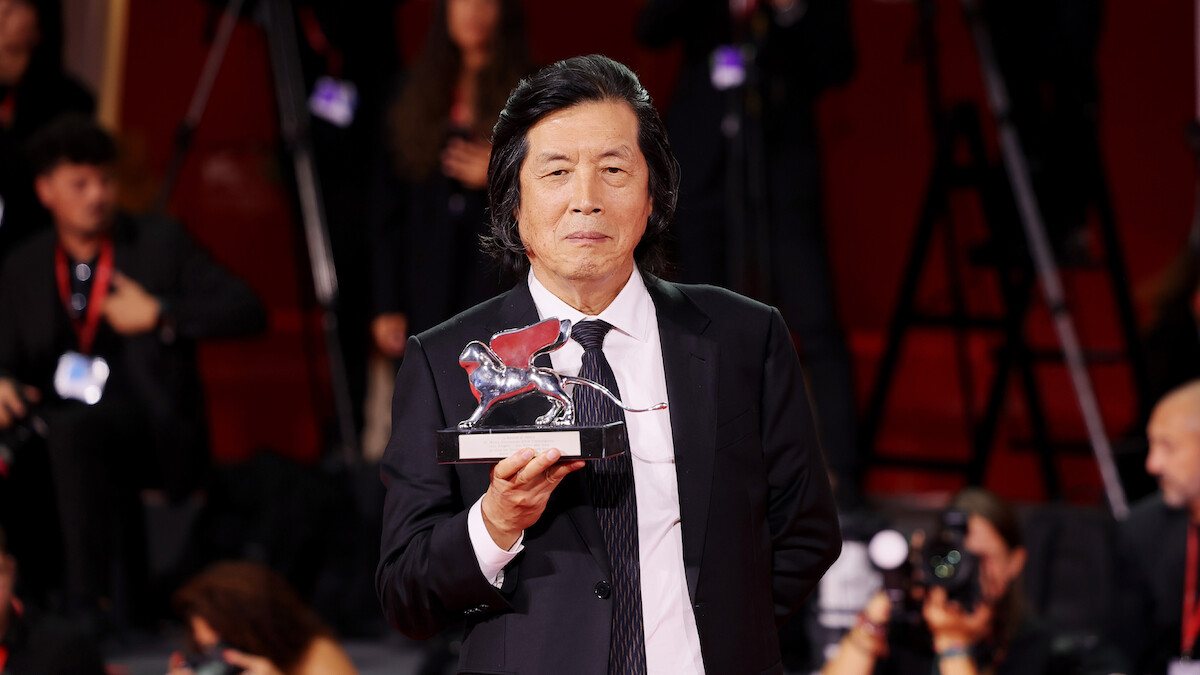
After Venice, the film played Toronto, the main slate of the New York Film Festival, San Sebastián, Zurich and Vancouver. In August, South Korea picked it as its entry for Best International Feature Film at the 99th Academy Awards, set for 2027 — the fourth time a Lee film has competed in the category, after Oasis, Secret Sunshine and Burning. In October came three Gotham Award nominations: Best International Feature, Best Original Screenplay and Outstanding Lead Performance for Jeon Do-yeon. Around the same time, Lee received the Ebert Director Award at the Toronto festival, becoming the first Korean filmmaker to earn the honor.
Jeon Do-yeon and the ethics of filming someone else's pain
The engine of the film is a question Ye-ji never convincingly answers: what does it mean to turn another person's vulnerability into cinema? Lee says he built the story around the gaze of the person holding the camera — and of the person watching.
"A camera is inevitably drawn to what is more dramatic and more painful. I wanted the audience to feel that desire, and the power that comes with holding the camera, and to reflect on the ethics of looking through it."
— Lee Chang-dong, in an interview with USA TODAY
Jeon's performance has become the centerpiece of the Oscar campaign. In conversation with USA TODAY, the actress said she chose not to interview laid-off workers while preparing, so that the research would not turn into an attempt to "do justice" to real stories at the expense of the character. "I thought it would be more fitting for me to just feel the character as she is," she said. On the prospect of a nomination, she was blunt: "I'm OK if you jinx it. Truly the fact that people are talking about this film gives me so much happiness."
Is it worth watching? What critics say
The reception was among the most enthusiastic of the year. IndieWire gave it a grade of A and called it "a heart-stopping stunner"; Variety described it as "a shimmering, sonorous work from one of our greatest living directors"; New York Magazine wrote that it is "one for the ages"; and The Hollywood Reporter called it "the film of the year." The consensus centers on three points: the delicacy of Lee's gaze, the chemistry of the four leads and Jeon's performance, described as the gravitational center of every scene.
The usual caveat for the director applies: Possible Love is a contemplative drama, 2h47 long, with little music and long stretches of silence. Viewers expecting rapid plot twists or tidy explanations may struggle at first. Those who enter the filmmaker's rhythm, however, will find one of the densest films of the year — and a conversation about class, marriage and image that continues after the credits roll.
How to watch it
In Brazil, the film is available only on Netflix: there was no Brazilian theatrical release. All it takes is an active subscription and a search for "Possible Love" in the catalogue — the title is listed under its English name, not a Portuguese translation. The title page on the service lists the synopsis, the runtime and the audio and subtitle options available for each profile.
To get ready, it is worth reading about the new rules for Oscar-qualifying festivals in the international feature race and our guide to another recent Netflix premiere. More streaming releases and film reviews are in Movies and Pop Culture.
What to expect before the Oscars
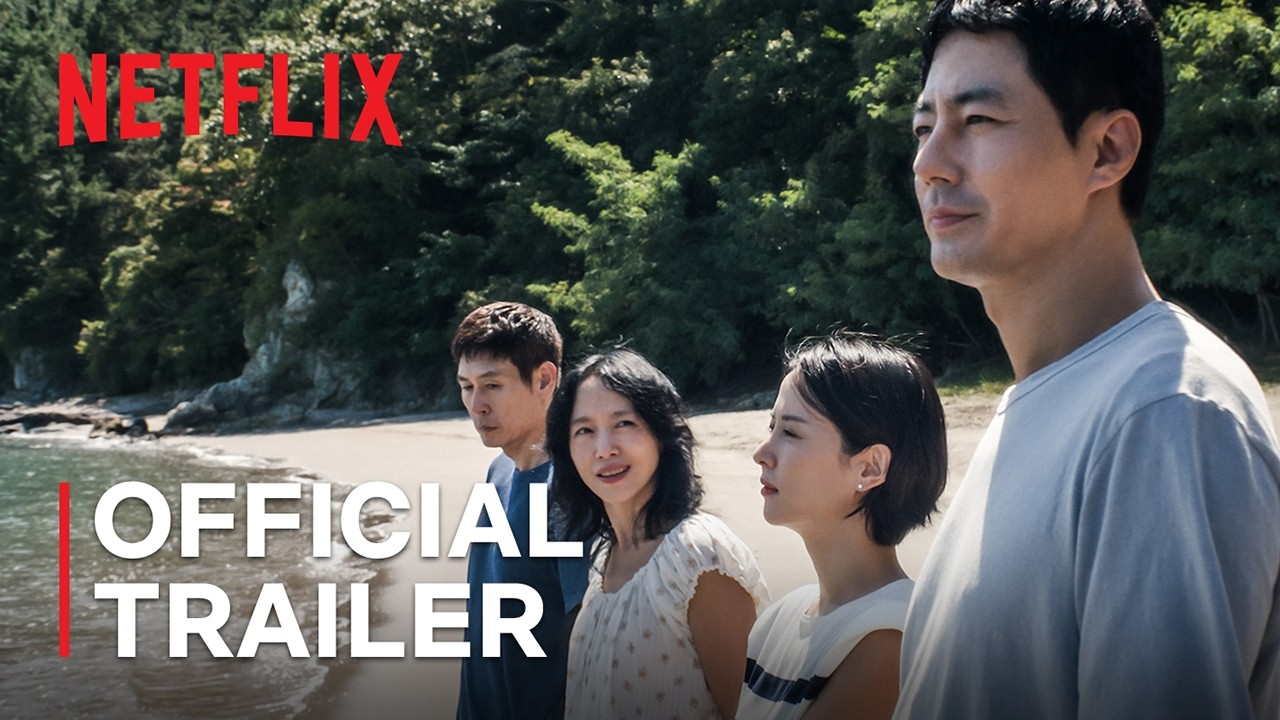
With the film now accessible in more than 190 countries, the campaign moves into a new phase: the Hollywood awards season, which opens in December with the critics' prizes and the Gothams, runs through the Golden Globes in January and reaches the Oscar nominations in early 2027. If the Academy responds to the Venice enthusiasm, Possible Love could follow the path of Parasite — another South Korean film that started on the festival circuit and ended up with statuettes — though this time the bet is on the international category and on Jeon Do-yeon's performance.
For viewers outside Korea, the math is simpler: the film is one click away, costs only the subscription and arrived with two Venice prizes attached. Anyone who cares about auteur cinema has until the end of the year to watch it before the Oscar conversation heats up. The official dates and press materials are in Netflix's announcement, and the title page is available here.
Suggested and related articles

Tropa de Elite: Where to Watch Both Films Online
Suzane von Richthofen: Where to Watch the Documentary
Netflix Buys Joel Coen's 'Jack of Spades' for Fall 2027
Project Power: the pill that grants five minutes of power

The Creator on Globo: Brazil TV Time, Plot and Cast