Iracema, uma transa amazônica: where to watch it online
Published on · Updated on
Bodanzky and Senna's classic is streaming on Netflix in Brazil. Understand the different versions, the censorship, the 4K restoration and its relevance.
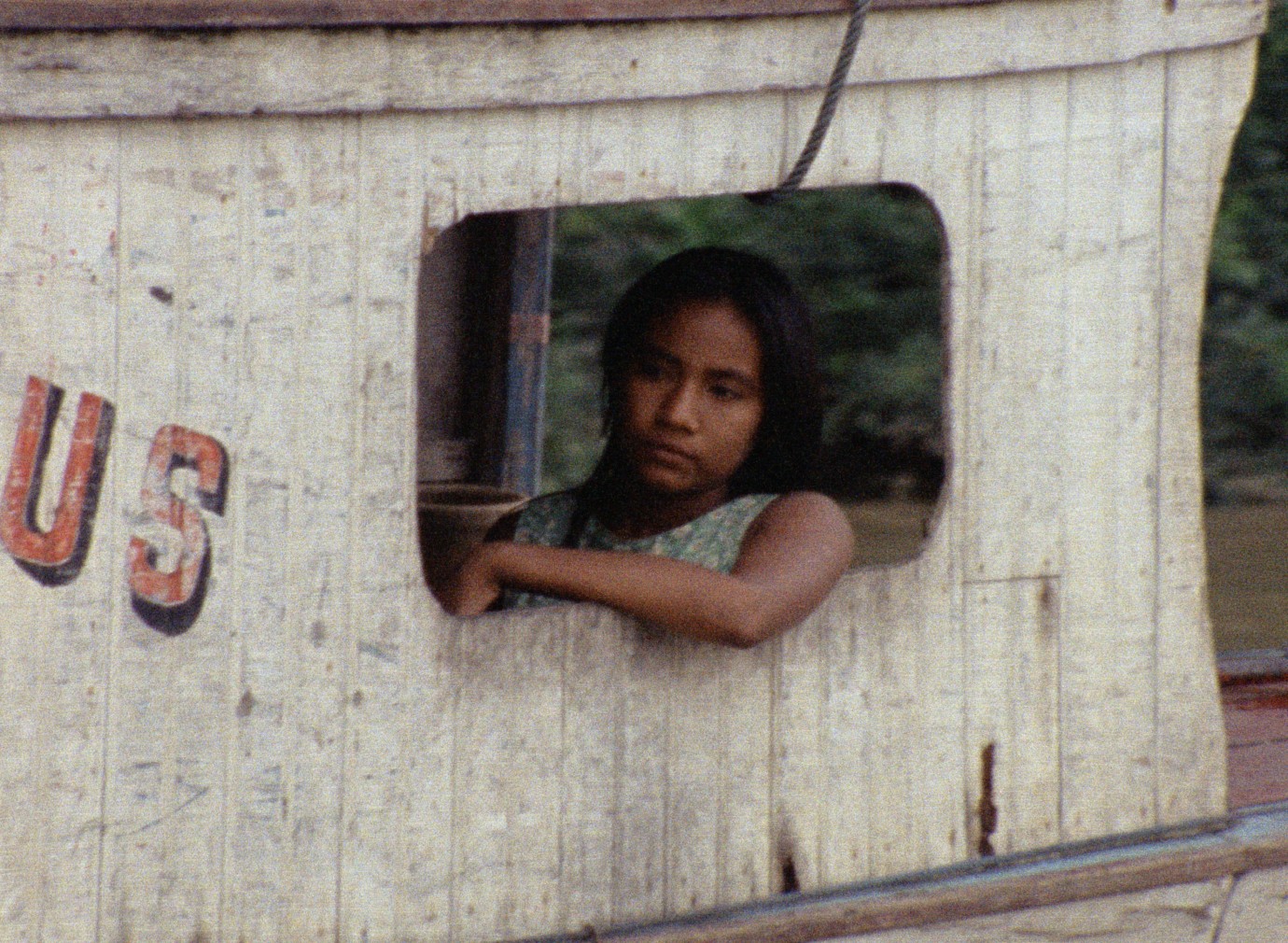
Iracema, uma transa amazônica, the classic directed by Jorge Bodanzky and Orlando Senna, is available on Netflix in Brazil. The platform lists the film at 91 minutes, according to the viewing guide published by Folha de S.Paulo's Maratonar newsletter on November 12, 2026. Shot in 1974 along the Trans-Amazonian Highway with funding from German public television, the film blends fiction and documentary to follow an Indigenous teenager who leaves the Amazon hinterland for Belém and crosses paths with a truck driver hauling timber. Banned by the military dictatorship's censorship for roughly six years, the title returned to Brazilian theaters in a 4K restored copy in 2025 and remains one of the harshest — and most current — portraits of the occupation of the Amazon.
The recommendation arrives at a symbolic moment. Brazil's Republic Day holiday, on November 15, usually brings back films about official dates and figures. Iracema takes the opposite route: instead of looking at the stage, it looks at the shoulders of the road and at the people who paid the bill for the so-called economic miracle. That is why the film keeps resurfacing in streaming guides whenever the subject is understanding Brazil beyond textbooks.
Where to watch Iracema, uma transa amazônica today
On streaming, the most direct route is Netflix, which keeps the film in its Brazilian catalog. Those who prefer a big screen or a physical copy have other doors, all of them with slightly different running times. The table below sums up the main options, with the duration recorded by each source.
| Where | Format | Runtime | Note |
|---|---|---|---|
| Netflix (Brazil) | Streaming | 91 min | Catalog version, per Folha |
| Theaters (re-release) | 4K DCP | 96 min | Gullane+ distribution, since July 2025 |
| Cinemateca Brasileira | 35mm / digital | 90 min | Special screenings and retrospectives |
| IMS DVD edition | DVD with extras | 90 min | Includes commentary track and making of |
Streaming catalogs change without notice. Before planning a session, check the film's page on the platform and, if the plan is a theater, the local schedule — the re-release played in 13 Brazilian states and keeps appearing at festivals and retrospectives.
Why the runtime shifts between 90 and 99 minutes
Anyone comparing technical sheets finds different numbers for the same film: 90, 91, 96 and even 99 minutes. These are not typos. Iracema was shot on 16mm with direct sound and later blown up to 35mm — a process that already introduces small metrage variations from copy to copy. Over five decades the film circulated in television, festival and theatrical versions, each with its own credits and adjustments.
The digital restoration prepared for the 2025 re-release was assembled from negatives preserved in Germany, where the film was edited. That version, shown at the Berlinale and at Festival do Rio, runs 96 minutes. The copy Netflix offers in Brazil appears as 91 minutes in Folha's guide. In both cases the narrative core is the same: Iracema and Tião's journey along the Trans-Amazonian, from the Círio de Nazaré procession to the roadside where the character is abandoned.
For viewers, the practical difference is small. For film students, it matters: it helps explain how a banned film, edited abroad and distributed irregularly for years, accumulated layers. The restored version is now the reference for image and sound quality, preserving the 16mm grain and cleaning the audio without losing its original roughness.
A commission from German TV that became a problem for the dictatorship
The project began with a magazine assignment. In the 1960s Bodanzky worked for Realidade, an Abril publishing house magazine, and covered the Belém-Brasília highway. That is where he observed the flow of trucks and the prostitution around roadside stops. The image stayed with him until 1974, when German broadcaster ZDF financed the feature, produced by Munich-based Stopfilm in co-production with Brazil.
Foreign money gave the crew a freedom the military government had no interest in offering. Brazil was living through the "Brazil Grande" years, with the Trans-Amazonian sold as a promise of integration and progress. The film does the opposite: it shows the highway as a vector of deforestation, land grabbing, slave labor and the sexual exploitation of minors. Censorship blocked its exhibition in the country, arguing it was a foreign production and that the work contradicted official propaganda.
The film was banned for about six years. During that interval it traveled through international festivals and was screened clandestinely in banned-film retrospectives. Clearance came in 1980, and the commercial release in Brazil took place on March 30, 1981, at Cine Caruso in Rio de Janeiro and Cine 1 in Niterói. That same year the film dominated the Brasília Film Festival, winning best picture, editing, actress and supporting actress.
A nine-person crew inside a national security zone
Shooting conditions explain much of the result's power. The Amazon was then a national security zone, and the crew — nine people, including Bodanzky, Senna, producer Wolf Gauer and sound technician Achim Tappen — traveled in a Kombi van, constantly stopped at military checkpoints. The strategy was to shoot fast and leave before the group drew attention. There were no second takes.
That urgency is visible on screen. Framing shakes, characters look at the camera, the off-screen world invades the shot. Actor Paulo César Pereio, cast as truck driver Tião Brasil Grande, was learning to drive during the shoot, and driver Lúcio dos Santos, who also acts, doubled for him in road sequences. Edna de Cássia, who plays Iracema, was discovered on a variety show in Belém and was 15 at the time — during the Círio de Nazaré shoot she was briefly detained by the juvenile court, even with her paperwork in order.
Fiction and document in the same frame
Iracema is neither a documentary about the Trans-Amazonian nor a conventional fiction. Dialogue takes the shape of interviews, and images of burning forest, illegal logging and destitution enter the edit without warning. The title character works as a guiding thread: she leaves her Indigenous community, passes through the Círio, through prostitution in Belém and onto the highway, ending in decay. Tião, in turn, is the charismatic mouthpiece of a country that calls itself ever bigger, convinced the forest exists to be turned into profit.
The nod to José de Alencar's novel is deliberate and ironic. The Iracema of 1974 is not the idealized virgin of Romanticism but a poor girl thrown into the middle of an occupation project. The contrast between the two images is the film's central argument, and perhaps explains why it bothered so many people then and keeps bothering them now.
We soon learned to use the nicknames of the highway under construction: Transamargura and Transmiseriana.
The method also produced moments of unintentional humor and real tension. The soundtrack was assembled later, with Brazilian records carried in a suitcase — Lindomar Castilho's "Você é doida demais" plays over the cabaret scene. Editing was done in Germany by Eva Grundmann, who did not speak Portuguese and worked from the rhythm of voices. The result is a film of edges: between languages, between genres, between the dictatorship's bureaucratic record and the life that insisted on happening outside the official frame.
Awards, restoration and farewell to Orlando Senna
Recognition arrived in layers. In the 1970s the film passed through Cannes and Berlin and won awards abroad while still banned at home. In 2015 it entered the list of the 100 best Brazilian films of all time assembled by the Brazilian Association of Film Critics (Abraccine). In 2025 the 4K restoration had its world premiere at the Berlinale, in the Forum Special section, and returned to Brazilian theaters on July 24 with Gullane+ distribution.
The restoration was coordinated by Alice de Andrade, produced by Montanha Russa Cinematográfica, with image restoration by Cinegrell and sound restoration by José Luiz Sasso of JLS Studios. The work had support from institutions including CTAV, Mnemosine, IMS, PUC-Rio, Instituto Guimarães Rosa and Cinemateca Brasileira. Bodanzky summed up the effect for Rolling Stone Brasil: "It looks like it was shot today."
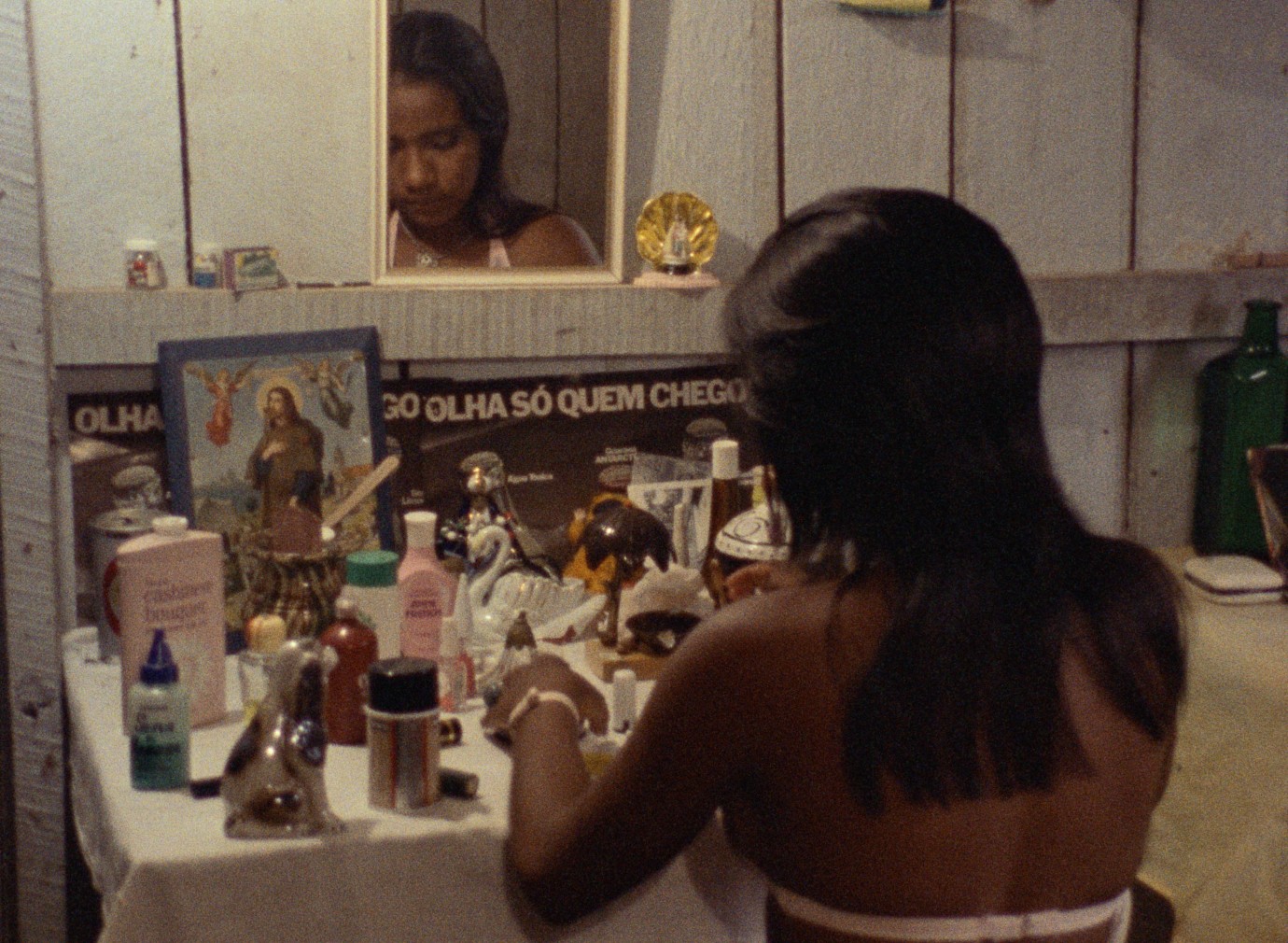
The film's history gained a sad chapter in 2026. Orlando Senna died in Rio de Janeiro on June 9, at 86, after complications from bronchopneumonia. Born in Lençóis, Bahia, he co-directed Iracema with Bodanzky, wrote screenplays for Hector Babenco and Ruy Guerra and served as Brazil's secretary of audiovisual affairs at the Ministry of Culture between 2003 and 2007, in addition to heading public broadcaster EBC. His death renewed interest in the film and turned every screening into a form of tribute.
Why Iracema still feels current in 2026
The film has aged little because the problem it denounces has not been solved. The highway was never completed as promised, but the logic behind it keeps operating: deforestation, land grabbing, illegal mining, precarious labor and violence against Indigenous peoples and against women. The images of burning forest captured by the crew are among the oldest of their kind on Brazilian film, and the contrast with progress speeches sounds familiar to any voter in 2026.
All the problems the film shows remain: slave labor, prostitution, burning, land grabbing, violence against women and against settlers. It is all there, perhaps even worse.
There is also a cinematic reason. Iracema is a lesson in how fiction and documentary can contaminate each other without either one canceling the other — a device that became central again in recent Brazilian cinema, from Kleber Mendonça Filho to hybrid productions mixing archive and staging. Watching the film today helps explain where that tradition comes from.
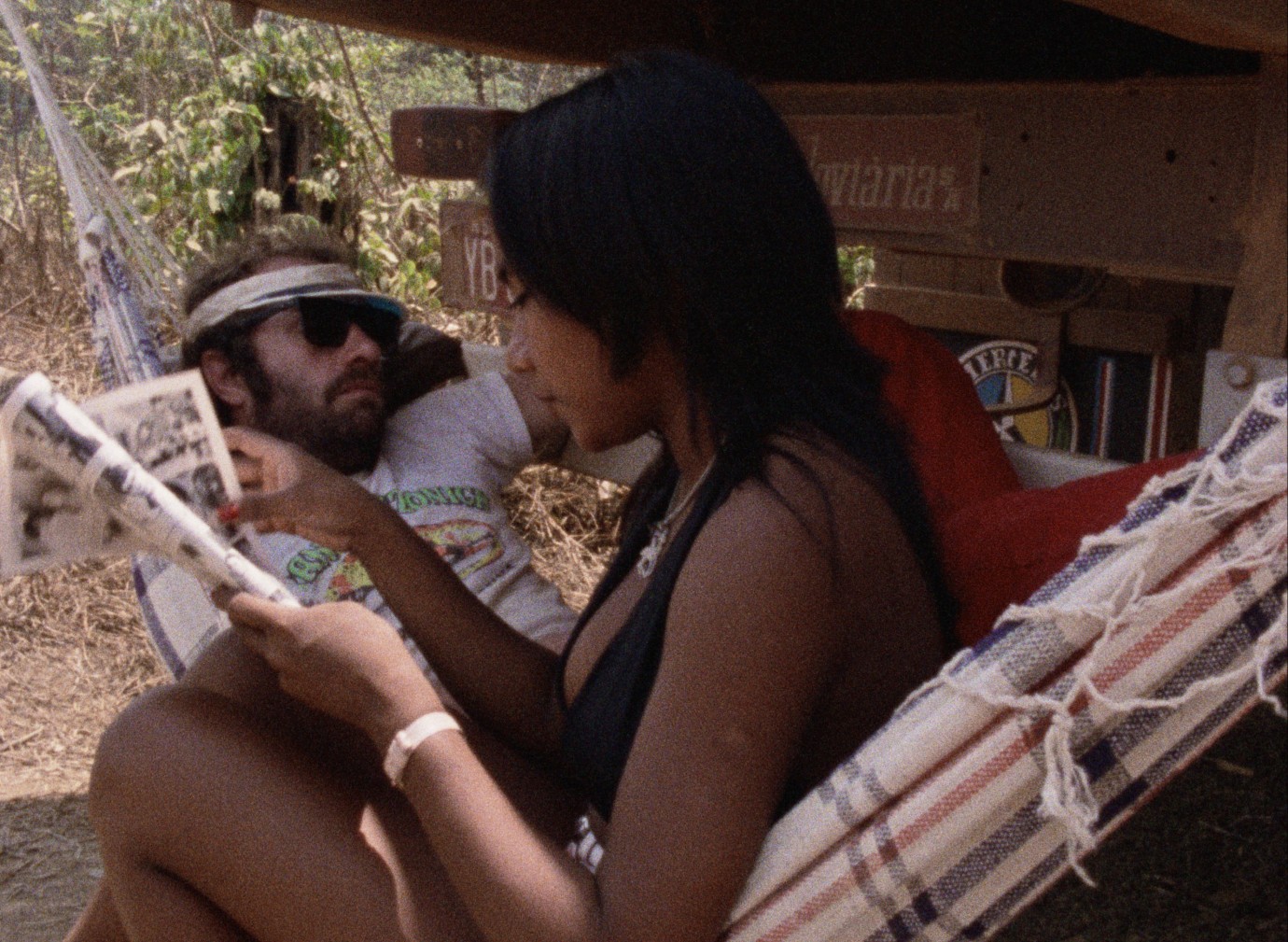
How to watch: what to know before pressing play
- Age rating: 16 and over. The film includes nudity, child prostitution and violence, treated as denunciation rather than spectacle.
- Minimum context: remember that the Trans-Amazonian was the flagship of the military regime's propaganda and that the film was made during the dictatorship, with a foreign crew and ZDF support.
- Runtime: set aside about an hour and a half. The Netflix version runs 91 minutes; the 4K restoration runs 96.
- Accessibility: the platform usually offers Portuguese subtitles; festival screenings and the restored copy have English-subtitled versions.
- Further viewing: if the film grabs you, look for the extras on the IMS edition and the catalog of the Bodanzky exhibition, which help place the rest of his Amazon work.
For those who want to keep the marathon going, Revista Pixel has other streaming lists spanning different decades, such as 12 nostalgic movies streaming on Netflix right now. It is also worth following the debate on contemporary Brazilian cinema in The Secret Agent and Tarsila's art, or browsing the Movies category for new picks.
A guide for anyone who finishes reading and wants to watch
Iracema, uma transa amazônica is one of those films that work in two movements. In the first hour, viewers follow a rough road movie, with characters adrift and a highway that promises everything and delivers nothing. In the second, they realize they are facing a document about how Brazil treated the Amazon — and how it keeps treating it.
Being on Netflix makes access easier, but it does not make the experience more comfortable. The recommendation is to watch closely to the direct sound, the engine noise and the roadside conversations, which carry as much information as the images. If possible, see the restored version in a theater when it plays near you: the 4K recovers the grain and color of material that seemed lost. And if the film hooks you, move on to Gitirana, Bodanzky and Senna's next partnership, and to the Amazon documentaries the director made in the following decades.
In the end, the guide is simple: it is on Netflix, it runs a little over an hour and a half, it demands a strong stomach for its rawness and it rewards viewers with one of the most lucid works ever made about the country. A session that keeps the conversation going long after the credits.
For the full credits and screening schedule, check the film's Berlinale page, the Instituto Moreira Salles entry and the Cinemateca Brasileira record. Streaming availability can be checked on Netflix.
Suggested and related articles

Jean-Michel Basquiat on Netflix: date, runtime, format

Heartland: Is Netflix's Jessica Chastain Thriller Worth It?

Who Is Jeon Do-yeon, the Star of Possible Love
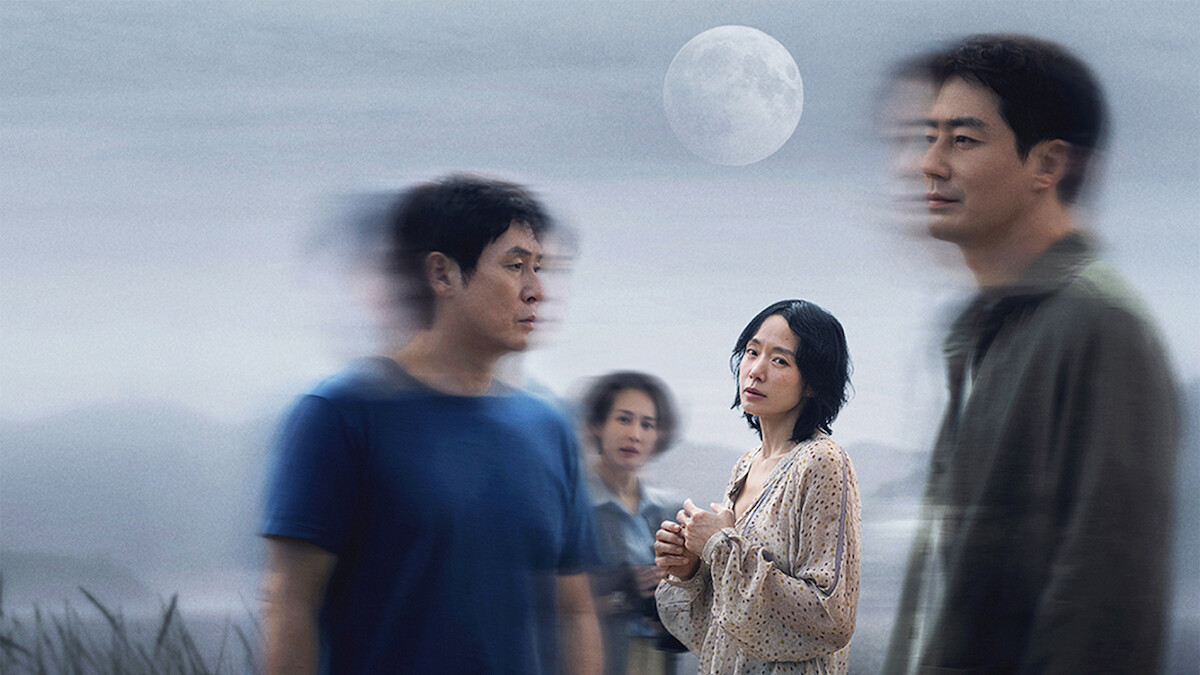
Possible Love on Netflix: Release Date, Where to Watch, Cast

Tropa de Elite: Where to Watch Both Films Online