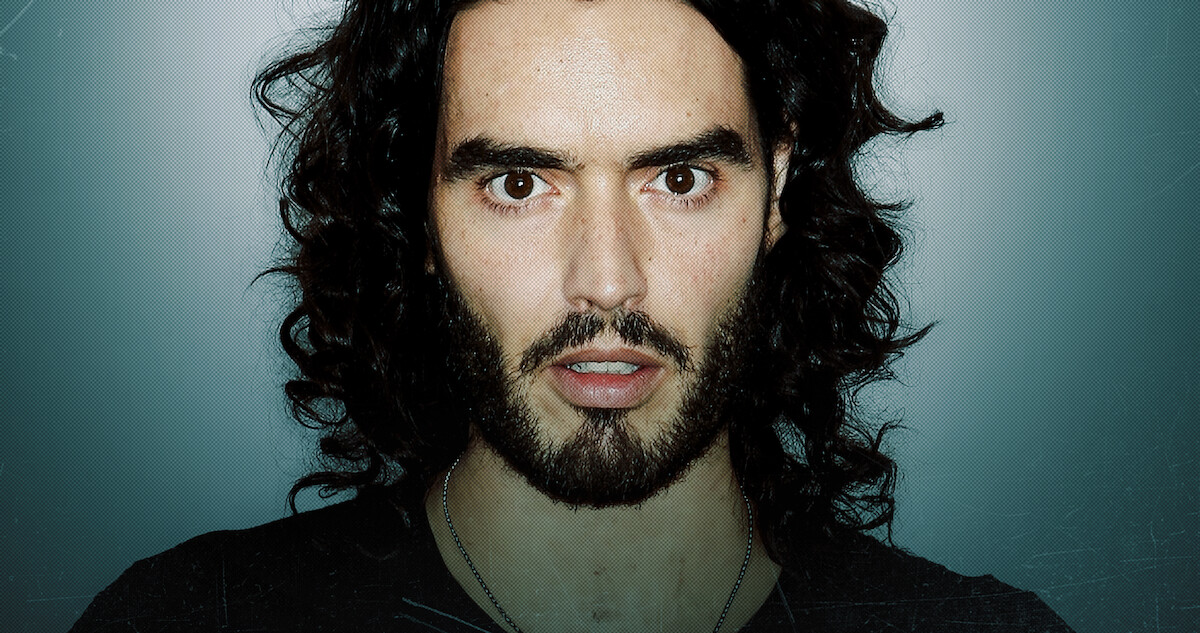
Jean-Michel Basquiat on Netflix: date, runtime, format
Published on · Updated on
The estate-approved Basquiat documentary premieres on Netflix on December 11, 2026. See the runtime, age rating, trailer details and what to expect.

Jean-Michel Basquiat, the documentary directed by Quinn Whitney Wilson and Viridiana Lieberman, premieres worldwide on Netflix on December 11, 2026. Built from the artist's family archive and recollections, the film had its world premiere at the 2026 Tribeca Festival — where it won Best Editing in a Documentary Feature — and arrives on streaming at 95 minutes according to the festival listing, although the Netflix title page shows 1h39. It is the first Basquiat documentary approved by the artist's estate and, according to Tribeca, the first directed by a person of color.
The project is an American feature documentary, spoken in English, rated A14 in Brazil. It is not a series, a pilot or a work of fiction: it is a single film of roughly an hour and a half, assembled from archival footage, never-before-seen works and interviews with the painter's sisters, Lisane Basquiat and Jeanine Heriveaux. Both also serve as executive producers alongside names such as Travis Kelce, John Janick and Dan Fried.
What the documentary is and why it exists
Basquiat died on August 12, 1988, at 27, and has since become a constant presence in pop culture: T-shirts, watches, sneakers, exhibitions and auction records. The paradox is that the more his image multiplies, the harder it becomes to see the person behind the canvases. The film starts from that problem. Instead of repeating the arc of the genius who rose from the streets to the museum, it goes back to the family origin and rebuilds the man who existed before the myth.
Netflix's official synopsis describes the project as "a reclamation of what has been lost in the legacy of a globally renowned artist." In practice, that means three layers of material: untold memories from friends and relatives, works that had never been shown to the public and a broad set of archival images, including home movies, photographs and notebooks. The result, according to the platform, is a portrait that "demystifies the story of Basquiat and rediscovers the man behind it all: Jean-Michel."
The title changed along the way: in the Tribeca catalog, the film appears as Jean-Michel; on Netflix, it is promoted as Jean-Michel Basquiat. The full name points to the celebrated artist, while the first name alone pulls the conversation toward the family's intimacy.
When it premieres on Netflix
The date is December 11, 2026, with a global release. Netflix confirmed the day on November 12, when it published the official trailer and the title page in its catalog. The platform's listing records the content creation date as December 11, 2026 and describes the film as a documentary about "never-before-seen artwork, rare footage and intimate interviews with loved ones."
In Brazil, the premiere follows the global calendar, so the film should become available from the early hours of December 11, depending on the time zone and when the platform updates its catalog. As with other Netflix releases, the recommendation is to check the title page on the day itself, because any schedule adjustments are not announced in advance.
The December slot is no accident: the period concentrates the awards season and the releases platforms want to position for both audiences and voters. The film arrives after a winning run at Tribeca and screenings at the Martha's Vineyard African American Film Festival and the Mill Valley Film Festival in California.
Runtime and format: a feature documentary of about 95 minutes
Here lies the main question for anyone who watched the trailer and wants to know how much time to set aside. The available listings do not match. The Tribeca Festival lists 95 minutes; the Variety review, published in June, also says 95 minutes; aggregators such as JustWatch and Metacritic repeat 1h35. The Netflix title page, however, shows 1h39 — four minutes longer.
| Source | Listed runtime | Note |
|---|---|---|
| Tribeca Festival (2026) | 95 minutes | Official competition screening listing |
| Variety review | 95 minutes | Review by Owen Gleiberman |
| JustWatch and Metacritic | 1h35 (95 min) | Catalog listings |
| Netflix title page | 1h39 | Listing in the Brazilian catalog |
| Official trailer | 1m36s | Video published on November 12, 2026 |
Netflix has not publicly explained the four-minute difference. Festival copies and platform versions often carry slightly different credits or editing adjustments, but there is no confirmation that this is the case here. For viewers, the practical effect is simple: expect a film of roughly an hour and a half, with room to run a little past 95 minutes in the version available on the service.
Tech specs and rating
The film is a feature documentary produced in the United States in 2026 and spoken in English. At Tribeca, it competed in the documentary section and screened as a Feature Documentary. The Brazilian age rating is A14, meaning not recommended for viewers under 14. In the United States, Metacritic lists an R rating, restricting those under 17 without an accompanying adult.
| Item | Information |
|---|---|
| Title | Jean-Michel Basquiat (Jean-Michel at the festival) |
| Type | Feature documentary |
| Directors | Quinn Whitney Wilson and Viridiana Lieberman |
| Runtime | 95 min (festival) / 1h39 (Netflix listing) |
| Country and language | United States, in English |
| Rating | A14 in Brazil; R in the United States |
| Streaming premiere | December 11, 2026, on Netflix |
| Production | Boardwalk Pictures, Indus Valley Media and Radiant Media Studios |
The format matters for anyone arriving from the trailer expecting a multi-episode series. There are no episodes, seasons or announced continuation: it is a self-contained work designed for a single sitting. The platform has not announced extras, behind-the-scenes material or companion episodes.
What the trailer shows
The official trailer was published on Netflix's YouTube channel on November 12, 2026, and opens with Basquiat talking about his education. "I never went to an art school. I just looked at a lot of things, and that's what I think I learned about art, by looking at it," the artist says in one of the archival interviews. The line sums up the self-taught method that took him from the streets of the Lower East Side to Manhattan galleries in a few years.

The video cuts between the energy of 1980s New York and the domestic setting in Brooklyn. One of his sisters remembers that he was "very protective." Another describes a mind "constantly in motion." The trailer also confronts racism in art criticism: "The critics were just so unbelievably racist," a voice says. "It definitely hurt Jean."
At the same time, the film corrects one of the most repeated stories about the artist: that he came from absolute poverty and broke with his family. "There's this kind of rags-to-riches story that he was on this planet without his family," the trailer says. "And that was not the case." The Basquiats were middle class, owned a home in Brooklyn and gave Jean-Michel access to museums and art schools from childhood.
"Jean-Michel Basquiat's legacy is undeniable. We see his art everywhere, from the most historical museums to the clothing moving through the streets. Yet the myth and the man are not one and the same."
Who directs and who produced it
Quinn Whitney Wilson makes her feature directing debut. A New York native, she built a career in music videos and advertising campaigns, worked with Lizzo and directed episodes of series such as "Ziwe" and the Marvel documentary "MPower." Viridiana Lieberman is an editor and director; she edited the Oscar-nominated documentary "The Perfect Neighbor" and directed "Fattitude" and "Born to Play." The two share directing duties and also serve as producers.
The editing is by Rebecca Adorno and Lieberman herself, a choice that helps explain the Tribeca award. The cinematography is by Jo Jo Lam and the score is by James William Blades. The production comes from Boardwalk Pictures, Indus Valley Media and Radiant Media Studios, in association with Interscope Films, H.Wood Media and Laurel Canyon Pictures; the producing team includes Jordan Wynn, Andrew Fried and Harlin Lawal.
The interview cast includes sisters Lisane Basquiat and Jeanine Heriveaux, as well as contemporaries such as Fab 5 Freddy, Kenny Scharf and Arthur Jafa. The family's presence is not merely symbolic: the sisters opened their home archive, appear on screen and take part in the executive production. That combination underpins the promise of a portrait different from earlier books and biographies.
Tribeca, the editing award and the critical reception
The film had its world premiere at the 2026 Tribeca Festival in New York and left with the Best Editing in a Documentary Feature award. The recognition was read by the trade press as a sign that the film is more than a narrated gallery of paintings: the editing is what stitches testimony, archive and artworks into a narrative with its own rhythm.
Critical reception was largely positive. Owen Gleiberman of Variety wrote that the documentary is "the film we've been waiting for" and "the fantastic one he deserves," highlighting that it is the first Basquiat film made in cooperation with his family and with access to the home archive. The critic also notes that the work does not avoid the artist's difficult sides, including jealousy, rivalry and drug use.
The film also appears with a Critics' Choice Documentary Awards nomination on its Metacritic page, although the specific category is not detailed there. For Brazilian viewers, the most relevant point is that the feature arrives on the service with a reputation built at festivals, not as a catalog title without prior circulation.
Why this film is different from other Basquiat projects
Basquiat has been the subject of documentaries, biographies and fiction films. "Downtown 81" captured the young artist in the New York scene; "Boom for Real" looked at his formative years; Julian Schnabel directed the biopic "Basquiat" (1996), starring Jeffrey Wright. The new project stands apart for three reasons.
The first is access. It is the first documentary approved by Basquiat's estate, administered by his sisters Jeanine Heriveaux and Lisane Basquiat. The second is authorship: according to the Tribeca listing, it is the first film about the artist directed by a person of color. The third is perspective: instead of starting from critics and the market, the film begins with the family, the Brooklyn childhood and the relationship with his parents.
That does not mean a rose-tinted version. The sisters' own statement speaks of bringing the brother's "full humanity" to light with "care, intention and respect," but the trailer and reviews indicate that the documentary also addresses racism in the reception of his work, the pressure of fame and the isolation of his final years. The balance between affection and distance is what the press has been calling "demystification."
"We, his family, are deeply proud to see Jean-Michel's full humanity brought to light with such care, intention, and respect."
Who was Jean-Michel Basquiat
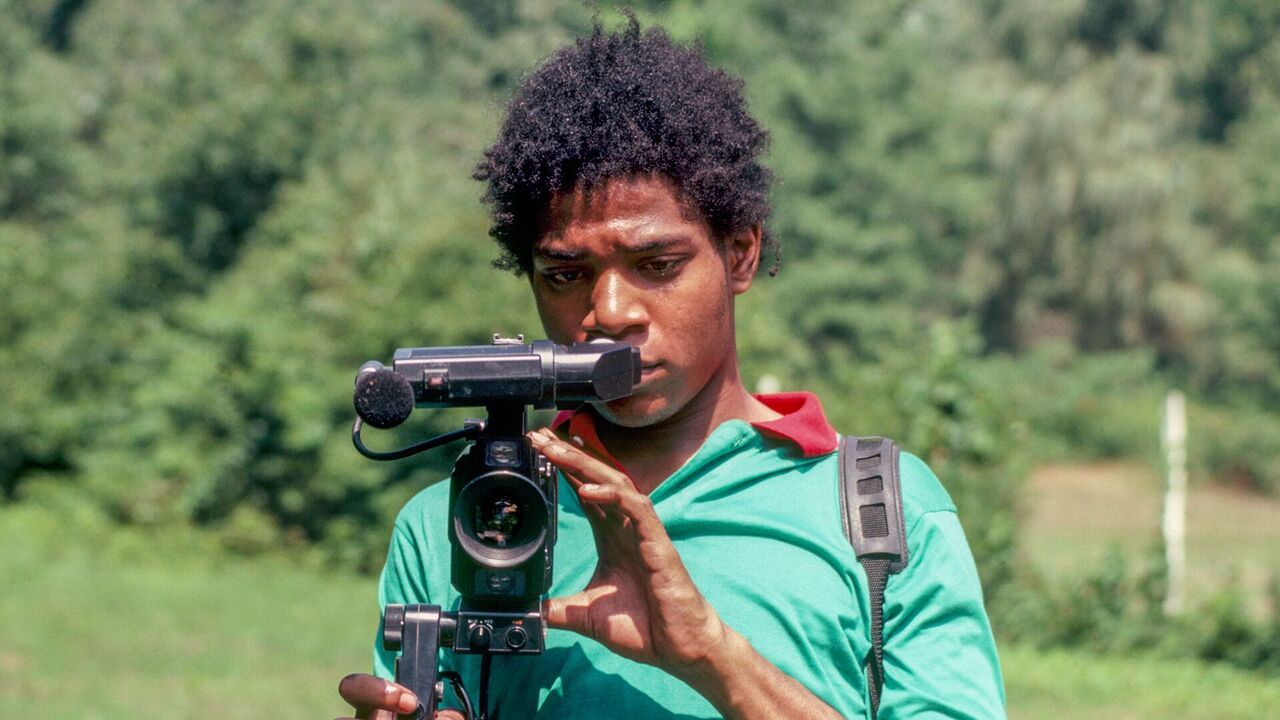
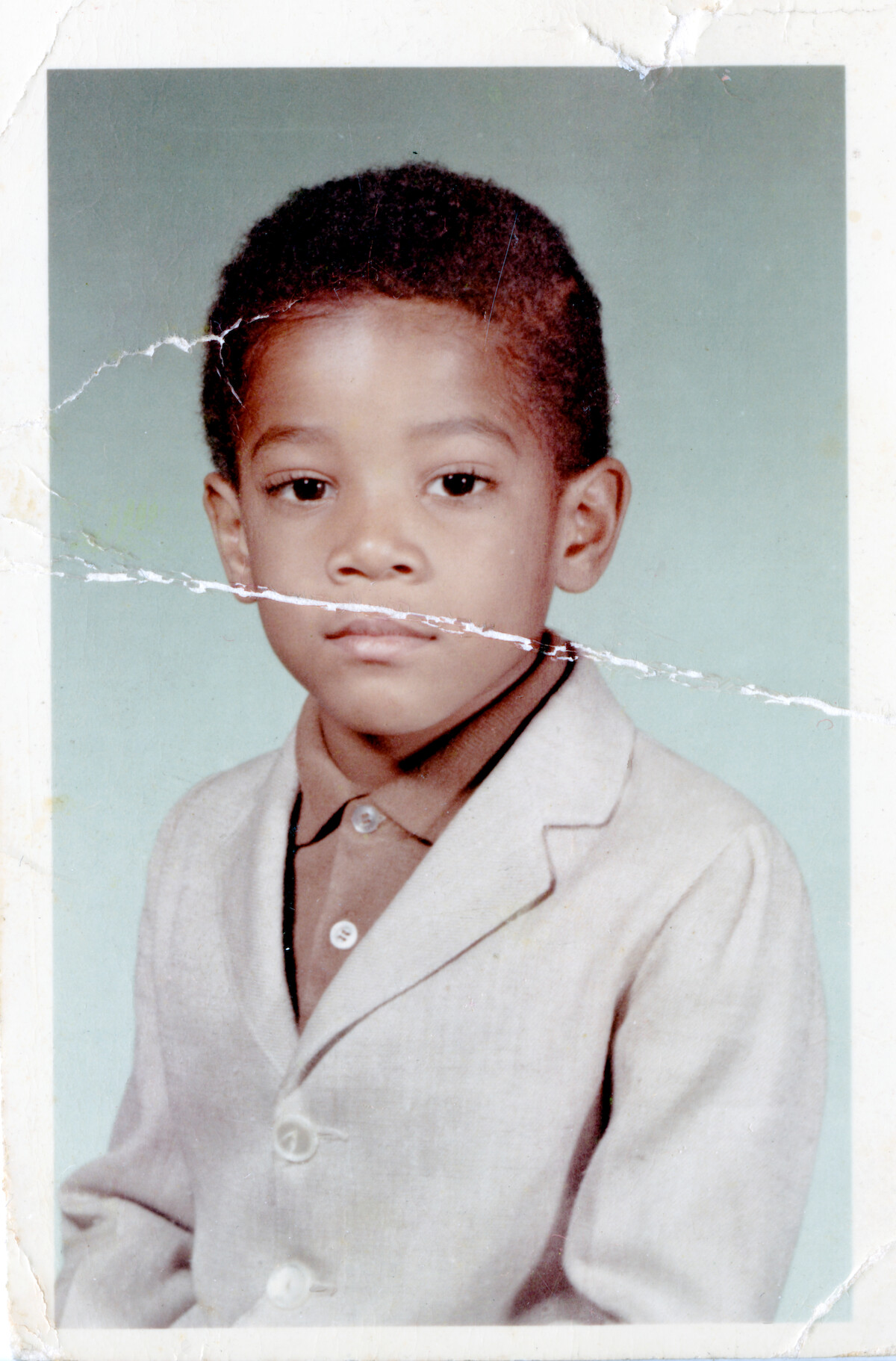
Jean-Michel Basquiat was born on December 22, 1960, in Brooklyn, New York, the son of a Haitian immigrant and a mother of Puerto Rican descent. As a teenager, he gained notoriety under the pseudonym SAMO, a duo that wrote phrases and interventions on Lower East Side walls alongside Al Diaz. In the early 1980s, he moved into painting and began showing in galleries and museums.
The rise was fast. At 21, he took part in Documenta in Kassel; at 22, he appeared in the Whitney Biennial. His work mixes painting, drawing, words, symbols and references to art history, African American culture and urban experience. He died on August 12, 1988, in Manhattan, of an accidental heroin overdose.
After his death, the art market turned Basquiat into one of the world's most valuable artists. In May 2017, the painting "Untitled" (1982), a black skull with red and yellow streaks, sold for $110.5 million at Sotheby's in New York to Japanese entrepreneur Yusaku Maezawa. At the time, it was the highest price ever paid at auction for a work by an American artist.
How to watch and what to expect
To watch, you need an active Netflix subscription and to search for the title "Jean-Michel Basquiat" from December 11, 2026. The film does not require prior knowledge of contemporary art, but knowing the basics of the artist's career helps follow the references to his works and to the characters of the New York scene.
Those who enjoy documentaries about artists can start with other titles in the catalog. Revista Pixel has published guides on the Suzane von Richthofen documentary on Netflix and on "Possible Love," the Korean film that arrived on the platform in 2026. To follow monthly releases and other premieres, check the Films category.
What to expect: an intimate portrait, with the rhythm of an archival documentary, more interested in character than in a chronology of achievements. It is not an art history lesson or a series about the auction market. It is an attempt to restore Basquiat's status as a person — with contradictions, affections and wounds — without erasing the scale of the work.
What we still don't know
Some points remain open. Netflix has not explained why the title page lists 1h39 while the festival and critics record 95 minutes, nor has it confirmed extras or a Brazilian theatrical release. Any update on date, runtime or format will be added to this article once there is official confirmation.
For now, the short answer to the question that brought readers here: the documentary premieres on December 11, 2026, on Netflix, runs about 95 minutes and is a single feature, rated A14 in Brazil. The trailer is already available above. For more detail before the premiere, see the official Netflix Tudum page, the Tribeca Festival listing and the title page in the catalog.
Suggested and related articles
Heartland: Is Netflix's Jessica Chastain Thriller Worth It?
Possible Love on Netflix: Release Date, Where to Watch, Cast

Tropa de Elite: Where to Watch Both Films Online

Where 'My Best Friend' Was Filmed in Portugal
Suzane von Richthofen: Where to Watch the Documentary