Who Was Judy Heumann, Mother of Disability Rights
Published on · Updated on
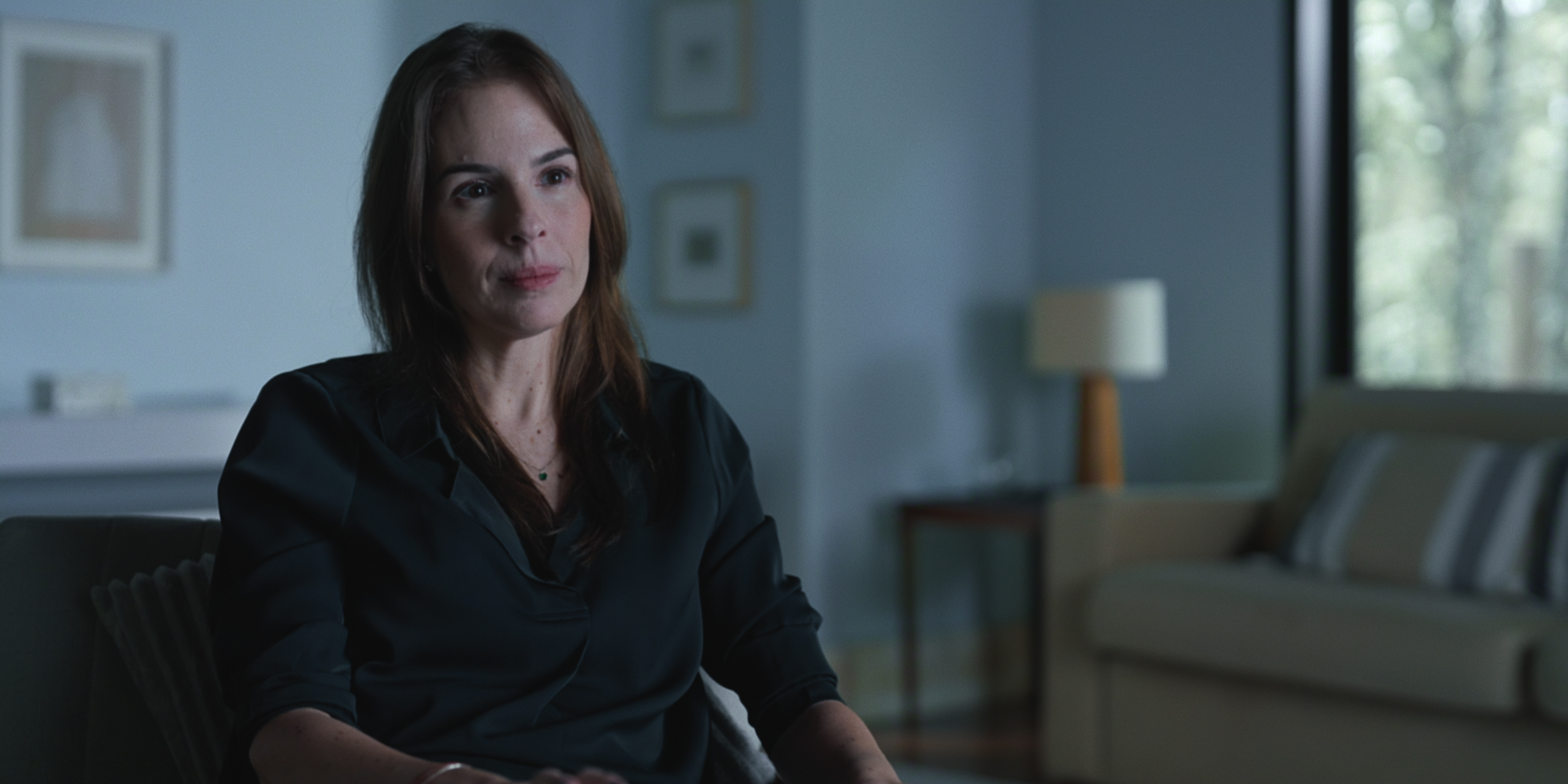
Polio left Judy Heumann without the use of her limbs at 18 months. She fought schools, courts and Washington. Now her life is an Apple TV film in 2026.
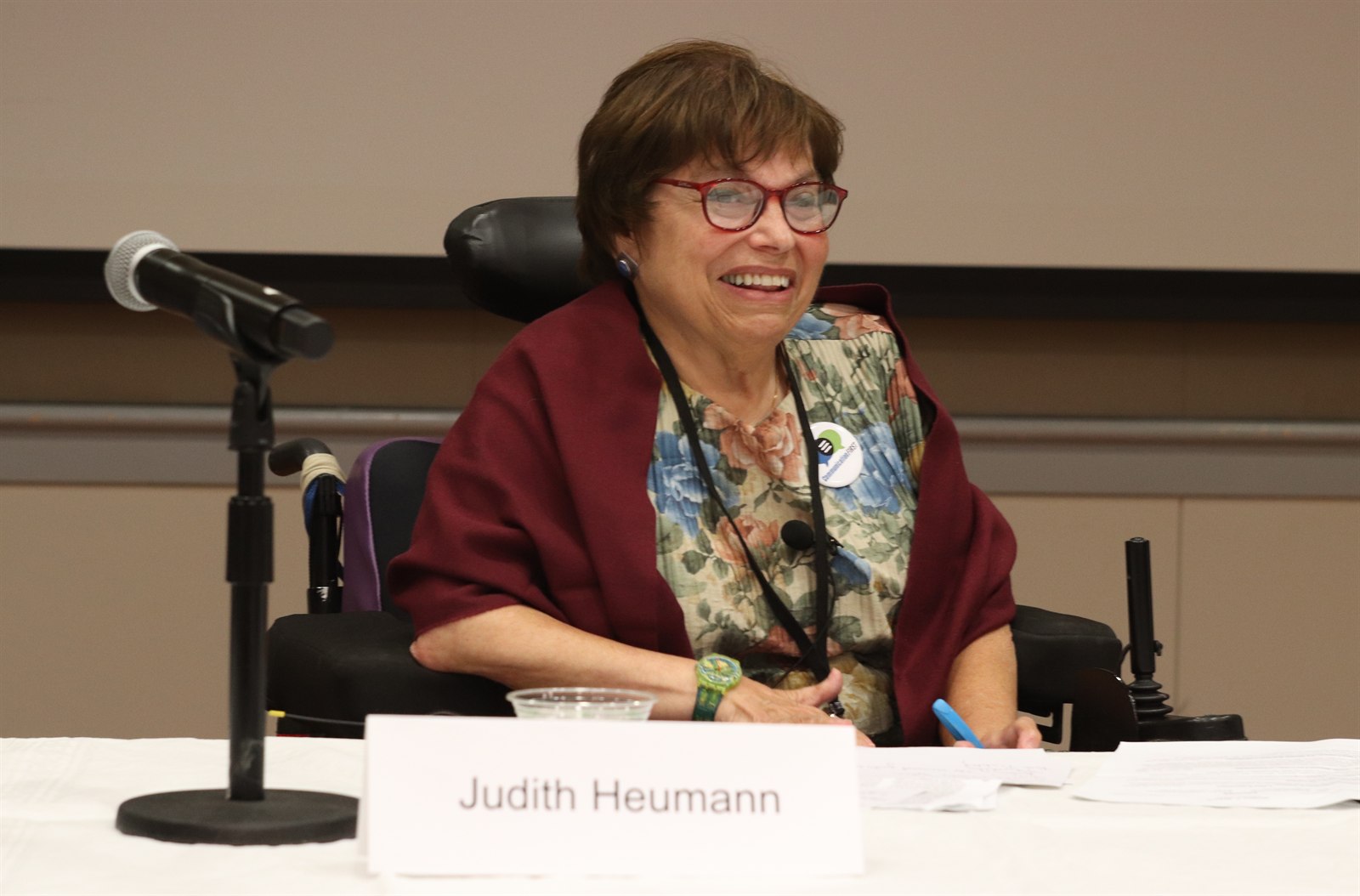
Judith "Judy" Heumann died on March 4, 2023, at 75, in Washington, without seeing the end of a fight she began at 18 months old, when polio took the movement of her legs, arms and hands. Born on December 18, 1947, in Philadelphia and raised in Brooklyn, New York, she became the most influential activist in the history of disability rights in the United States — so much so that she was called the "mother" of the movement. Her trajectory, which runs through a school that rejected her as a "fire hazard", a lawsuit against New York City's board of education and 26 days occupying a federal building in San Francisco, now reaches the screen in Ruth Madeley's performance: the film Being Heumann premiered on November 13 on Apple TV, after opening the Toronto Film Festival and playing in select U.S. theaters on November 6.
The story matters beyond cinema. The laws Heumann helped write and enforce — from Section 504 of the Rehabilitation Act to the Americans with Disabilities Act (ADA) of 1990 — changed how governments, schools, transit systems and companies treat disabled people, inside and outside the United States. Knowing who she was means understanding why ramps, sign language interpreters, captions and accessibility standards are not favors, but the result of decades of political pressure.
A child turned away at the school door
Daughter of Werner and Ilse Heumann, German Jews who left Germany in 1934 and 1935, Judy grew up in a family marked by Nazi persecution: grandparents, great-grandparents and other relatives were killed in the Holocaust. Polio arrived in 1949, when the vaccine did not yet exist and the United States was facing an epidemic of infantile paralysis. The girl survived but lost the use of her limbs.
At five, in 1952, her mother took her to enroll at the local public school. The answer stayed in her biography and in the movement's memory: the school claimed the wheelchair was a "fire hazard", because it would make it harder to evacuate the building in an emergency. Instead of a classroom, Judy received home instruction twice a week, for about an hour per visit, for three years. Only in fourth grade was she accepted into a special school for children with disabilities.
When high school came, city policy called for a return to home instruction. Ilse Heumann organized other parents, pressured the district and got the rule reversed. Judy entered high school in 1961. As a child, she spent her summers, from ages 9 to 18, at Camp Jened in Hunter, New York — an experience later recorded in the documentary Crip Camp, produced by Higher Ground, Barack and Michelle Obama's production company.
"We had the same joy together, the same anger over the way we were treated and the same frustrations at opportunities we didn't have."
The teacher New York tried to block
At Long Island University, where she graduated in 1969, Heumann began organizing protests with students with and without disabilities: she demanded ramps to reach classrooms and the right to live in student housing. Trained in speech therapy, she tried to become a teacher and was blocked by the same school district that had rejected her as a child. She passed the oral and written exams but failed the medical exam because she could not walk.
In 1970, she sued the Board of Education of the City of New York. The case landed with Judge Constance Baker Motley, the first Black woman to serve as a federal judge in the United States, who strongly suggested the board reconsider. It did. Judy Heumann became the first wheelchair user to teach in the state of New York. That same year, she helped found Disabled in Action, an organization that took the cause to the streets and to the courts.
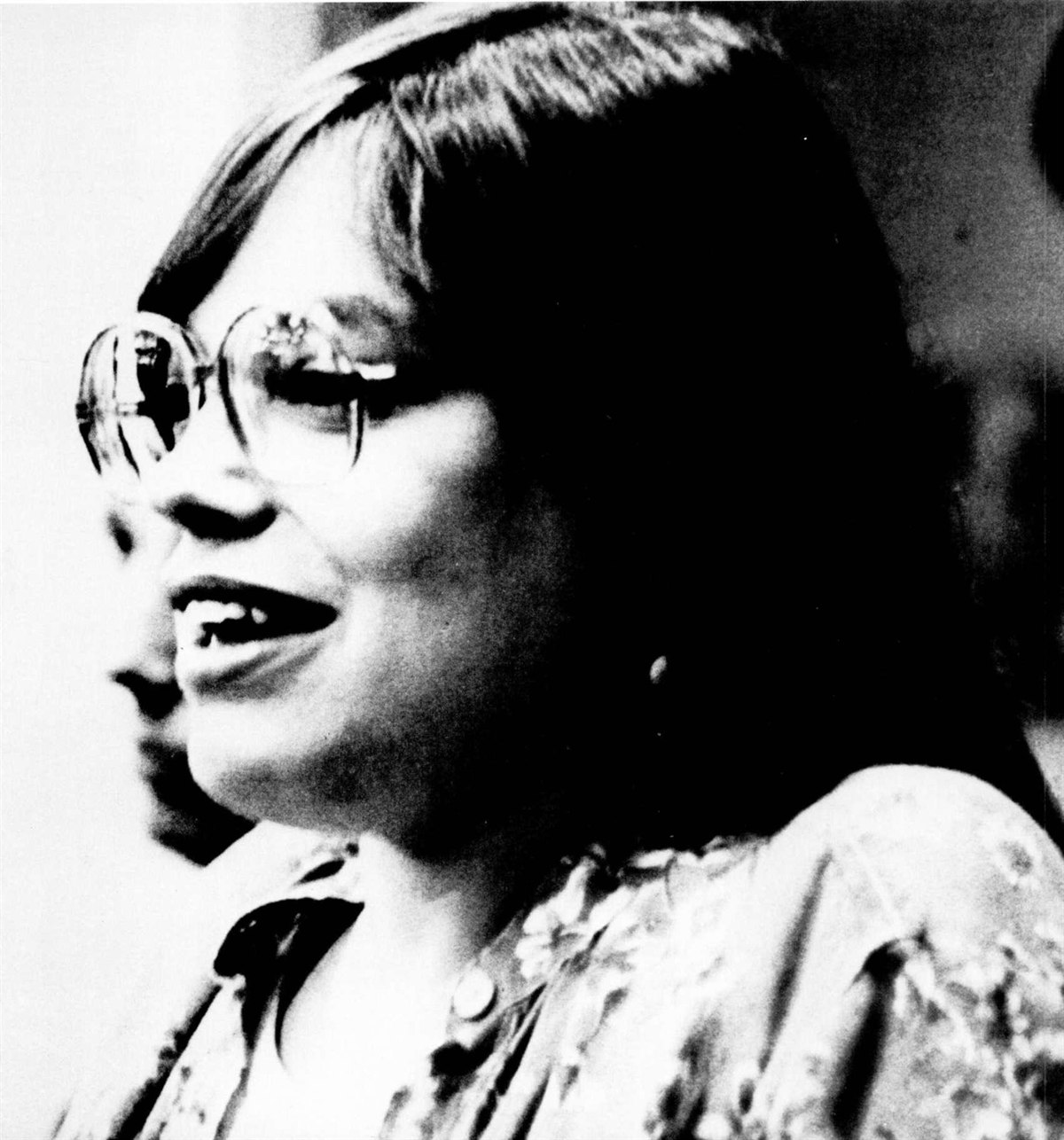
"Disability only becomes a tragedy for me when society fails to provide the things we need to lead our lives — job opportunities or barrier-free buildings, for example. It is not a tragedy to me that I'm living in a wheelchair."
1977: the 26 days that unlocked the law
The Rehabilitation Act of 1973 had passed with Section 504, which barred discrimination against disabled people in any program receiving federal money. What was missing were the regulations that said how the law would work in practice. Without them, the protection existed on paper and changed almost nothing in hospitals, universities and public agencies.
In April 1977, after months of broken promises, dozens of activists occupied the federal building in San Francisco, the regional headquarters of the Department of Health, Education and Welfare. The occupation lasted 26 days — the longest sit-in at a federal building in U.S. history — and brought together people with physical, sensory and intellectual disabilities, with support from groups including the Black Panthers, who delivered food and supplies. Heumann was one of the leaders. The pressure worked: on April 28, 1977, Secretary Joseph Califano Jr. signed the Section 504 regulations.
The episode is the heart of Siân Heder's film, which turns the negotiation between activists and bureaucrats into a closed-room drama. Mark Ruffalo plays Califano; Dylan O'Brien is reporter Evan White; Madeline Delp plays Kitty Cone, one of the organizers of the occupation; Ray Fisher plays Chuck Jackson of the Black Panthers.
From Berkeley to the World Bank and the White House
Heumann earned a master's degree in public health at the University of California, Berkeley, completed in 1975, and grew close to the city's Center for Independent Living, one of the first in the country — she is listed as a founding member. In 1983, she co-founded the World Institute on Disability (WID) with Ed Roberts and Joan Leon, a global organization led by disabled people. The California experience helped spread the idea of "independent living" to other countries.
From the 1990s on, she moved into government. Between 1993 and 2001, she was assistant secretary for Special Education and Rehabilitative Services at the U.S. Department of Education under Bill Clinton. From 2002 to 2006, she was the World Bank's first adviser on Disability and Development. She later directed Washington, D.C.'s Department on Disability Services before being appointed, in 2010, as the first special adviser for International Disability Rights at the State Department, a post she held until 2017, under Barack Obama.
| Year | Event |
|---|---|
| 1947 | Born in Philadelphia, raised in Brooklyn, New York |
| 1949 | Contracts polio at 18 months and begins using a wheelchair |
| 1952 | Denied a place at public school as a "fire hazard" |
| 1970 | Sues New York's board of education and founds Disabled in Action |
| 1975 | Completes a master's in public health in Berkeley |
| 1977 | Leads the 26-day occupation that secured the Section 504 rules |
| 1983 | Co-founds the World Institute on Disability with Ed Roberts and Joan Leon |
| 1993–2001 | Assistant secretary for Special Education under Clinton |
| 2002–2006 | First adviser on Disability and Development at the World Bank |
| 2010–2017 | First special adviser for International Disability Rights at the State Department |
| 2020 | Publishes the memoir "Being Heumann" and appears in "Crip Camp" |
| 2023 | Dies in Washington at 75 |
| 2026 | "Being Heumann" premieres on Apple TV |
"Being Heumann": from memoir to screen
The memoir Being Heumann: An Unrepentant Memoir of a Disability Rights Activist, written with Kristen Joiner and published by Beacon Press in 2020, became the basis for the screenplay. A young readers' edition, Rolling Warrior, followed in 2021, with audiobooks narrated by Ali Stroker, the first wheelchair-using actor to perform on Broadway.
On screen, the project was announced in 2021 after a studio bidding war and landed at Apple, directed by Siân Heder — winner of the best picture Oscar for CODA (2021). The screenplay is by Heder with writer Rebekah Taussig. Ruth Madeley plays Judy; Mark Ruffalo plays Secretary Joseph Califano Jr.; the cast also includes Dylan O'Brien, Madeline Delp, Ray Fisher, Rob Delaney, Roberta Colindrez, Michael Patrick Thornton and Daniel Durant.
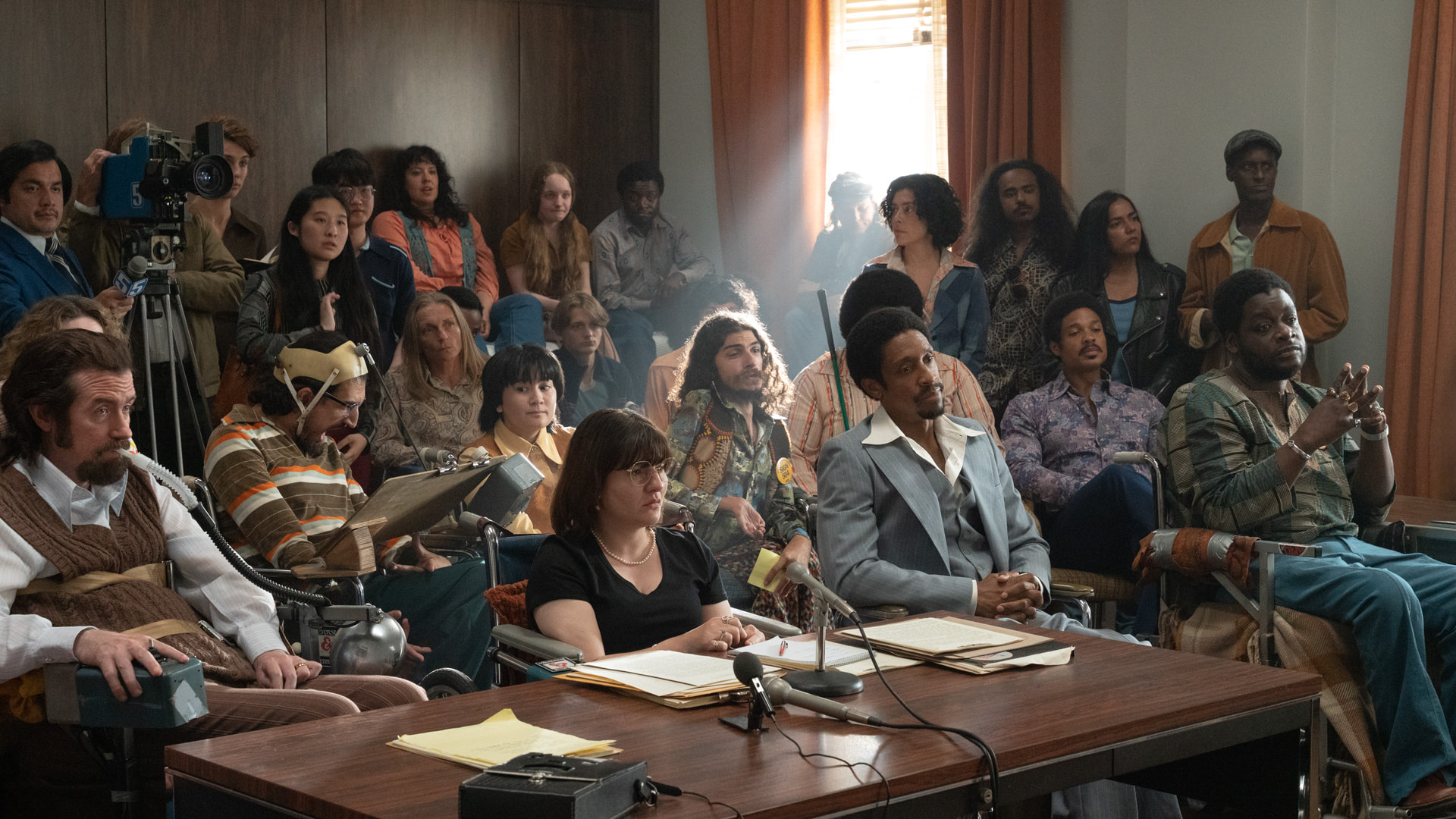

Heder has framed the film as a continuation of her previous work. She said she wanted to show the protest as it happened, so that audiences could feel and be with everyone involved, and argued that the community at the center of the story is not a closed group: it is one that anyone may join if they live long enough.
Madeley, who has built a career on roles that dismantle stereotypes, said she questions how far sympathy for disabled people usually goes, because disabled characters rarely get to show another side — or to be difficult. For her, films like Being Heumann are needed to show that disabled performers can play mothers, executives, misogynists and "any kind of personality".
Why the story still matters
The film arrives at a moment of backlash and dispute over inclusion policies. In the United States, Section 504 and the ADA remain the target of lawsuits and administrative reinterpretations; in Brazil, the Brazilian Inclusion Law (LBI) of 2015 rests on principles similar to those Heumann helped establish — equal opportunity, accessibility and a ban on discrimination. The difference is that, in 1977, political pressure could keep dozens of people inside a federal building for nearly a month.
Heumann also anticipated the debate over representation. According to the production, the cast is the largest group of disabled actors ever assembled in Hollywood, something the director ties to the film's own subject: generalizing a group is harmful, she said, because not all wheelchair users share the same experiences, and no single character can speak for an entire community.
From 2017, Heumann served as a senior fellow at the Ford Foundation, where she published Road Map for Inclusion on the presence of disabled people in the entertainment industry. She received honorary doctorates from universities including New York, Pittsburgh, Middlebury and Smith, and was the first recipient of the Henry B. Betts Award. She died in 2023, when her story was already circulating in documentaries, TED talks and podcasts — and three years before she became a fiction character.
Anyone who comes to the film without knowing the activist will find, in its two hours, only a fragment: the 1977 occupation. The full biography lives in her books, interviews and movement archives. Above all, it lives in the practical consequences of a life that turned accessibility into a right — a cause still under dispute, as recent debates about films and pop culture keep showing.
For those who want to go deeper, the activist's official website gathers a timeline, speeches and the podcast The Heumann Perspective: judithheumann.com. Apple's press release with details on the film is at apple.com/tv-pr.
Suggested and related articles

The Creator on Globo: Brazil TV Time, Plot and Cast

Felipe Camargo Turned Down 'Tropa de Elite' Colonel Role

Tropa de Elite: Where to Watch Both Films Online

Where 'My Best Friend' Was Filmed in Portugal

Your Mother: Mahershala Ali's New Film and Release Dates